Key Takeaways
- This gelatin recipe uses three common ingredients and works mainly by slowing gastric emptying, which may extend feelings of fullness.
- Gelatin is high in protein and low in calories, making it a reasonable addition for people managing appetite as part of a broader approach to eating less.
- Taking it 20–30 minutes before a meal is the timing most consistent with how its satiety mechanism is thought to work.
- This is a supportive habit, not a stand-alone weight-loss solution, diet quality and overall calorie balance still matter most.
This gelatin recipe uses three ingredients most people already have at home, takes under ten minutes to prepare, and works through a mechanism with reasonable support in nutrition research: slowing gastric emptying to extend feelings of fullness.
Gelatin has mostly been associated with desserts and Jell-O molds, while research on its appetite-related effects has built up steadily in nutrition literature. If you’re already working on reducing sugar-driven cravings, our 30-day sugar detox plan addresses the same hunger signals from the dietary side, and the two approaches work well together.
What Gelatin Is and Why It May Help With Appetite
Gelatin is a protein derived from the hydrolysis of collagen, the connective tissue, bones, and skin of animals. When collagen’s triple-helix structure breaks down through cooking, the resulting protein chains become gelatin. It’s a purified animal protein with an amino acid profile dominated by glycine, proline, and hydroxyproline amino acids that are underrepresented in many modern diets.
What makes gelatin relevant here isn’t just its protein content, though that matters. It’s the physical behaviour of gelatin in the digestive tract that’s linked to its effect on appetite.
When gelatin contacts the warm, acidic environment of the stomach, it forms a viscous gel that may slow gastric emptying the rate at which the stomach releases food into the small intestine. Slower gastric emptying is associated with feeling full longer and a more gradual blood sugar response to carbohydrates eaten in the same meal.
The Protein and Satiety Connection
Protein is generally considered the most satiating macronutrient per calorie, and gelatin provides roughly 6–8 grams of protein per tablespoon with very little fat or carbohydrate.
A PubMed-indexed review of gelatin and collagen peptide research points to studies showing gelatin may increase the production of hormones associated with satiety, including cholecystokinin (CCK) and GLP-1, while having a comparatively small effect on ghrelin, the primary hunger hormone.
Glycine’s Role
Glycine, the dominant amino acid in gelatin, has been studied independently for its metabolic effects, including a role in insulin secretion regulation and liver glycogen synthesis, along with some anti-inflammatory activity observed in animal studies of adipose tissue.
Human evidence on glycine’s direct effect on fat loss is more limited, but its contribution to sleep quality glycine has calming neurological effects is reasonably documented. Better sleep is associated with lower overnight cortisol, and elevated cortisol is linked to both visceral fat accumulation and increased next-day sugar cravings. The appetite-related benefit of gelatin likely comes from this combination of mechanisms rather than any single effect.
The 3-Ingredient Gelatin Recipe
The recipe uses unflavoured gelatin powder, fresh lemon juice, and raw honey three ingredients with complementary roles.
Unflavoured gelatin powder is the primary active ingredient, the source of the protein and the gel-forming behaviour linked to appetite control. Flavoured gelatin mixes (commercial Jell-O, for example) contain added sugar or artificial sweeteners that work against the goal here.
Fresh lemon juice contributes more than flavour. It contains pectin, a soluble fibre with mild appetite-related properties of its own, and its acidity may modestly slow digestion further when combined with gelatin’s gel-forming behaviour. Lemon water is also a simple habit worth pairing with overall healthy eating habits if you’re working on reducing sugar intake more broadly.
Raw honey serves as a minimal natural sweetener, making the drink palatable while using a much smaller quantity than many sweetened beverages. Use a small amount just enough to make the drink pleasant.
Ingredients
- 1 tablespoon unflavoured gelatin powder (about 7–8g)
- Juice of half a fresh lemon (about 1.5 tablespoons)
- 1 teaspoon raw honey
- 200ml warm water (not boiling around 60°C/140°F)
How to Make It
- Pour the warm water into a glass or mug. It should be warm enough to dissolve the gelatin completely but not boiling, as excessive heat can affect some of gelatin’s functional properties.
- Add the gelatin powder and stir steadily for 60–90 seconds until fully dissolved. If lumps remain, let it sit for 30 seconds and stir again.
- Add the lemon juice and stir to combine.
- Add the honey and stir until dissolved.
- Drink while still warm it will begin to set as it cools if left for more than a few minutes.
Preparation takes under five minutes once you’ve made it a couple of times.
Timing: Why It Matters More Here Than With Most Foods
The satiety mechanism depends on gelatin being present in the stomach when food arrives not after. If you drink it with a meal or afterward, the gel-forming behaviour is diluted by the food already present, and the effect on appetite is likely weaker.
When to Take It
A reasonable window is 20–30 minutes before your largest meals, typically lunch and dinner for most people. This allows partial gelling in the stomach before the meal begins. Some people prefer taking it only before dinner, often the meal where calorie intake and cravings are hardest to manage. Starting with once daily is a sensible entry point if twice daily feels like too much.
Consistency Matters More Than Any Single Use
This isn’t an acute intervention that produces results in a day. Its effect is more likely to be cumulative regular use before meals over several weeks may contribute to a pattern of reduced intake at each meal that adds up over time. People who try it for a few days, don’t notice a dramatic difference, and stop are missing how this kind of habit tends to work.
Some people report feeling less inclined to snack between meals after using gelatin consistently before meals for several weeks, although individual experiences vary and high-quality long-term evidence remains limited.
Recipe Variations
Sugar-Free Version
For anyone avoiding honey or following a lower-carbohydrate approach, the honey can be replaced with a small amount of pure stevia or monk fruit sweetener. Both are zero-glycemic and don’t appear to interfere with gelatin’s mechanism.
Artificial sweeteners (aspartame, sucralose, acesulfame-K) are not ideal substitutes here. Some research suggests regular use may affect gut microbiome composition, and they can trigger an insulin response without delivering glucose, which may paradoxically increase sweet cravings in some people.
Adding Apple Cider Vinegar
A teaspoon of raw, unfiltered apple cider vinegar can replace or supplement the lemon juice. Acetic acid has been studied for its potential to slow gastric emptying and moderate the post-meal blood glucose response, so the combination may contribute modestly to feelings of fullness, although evidence on combining both ingredients remains limited. The flavour is more polarising than lemon. Start with half a teaspoon if you’re not used to it.
Cold-Set Version
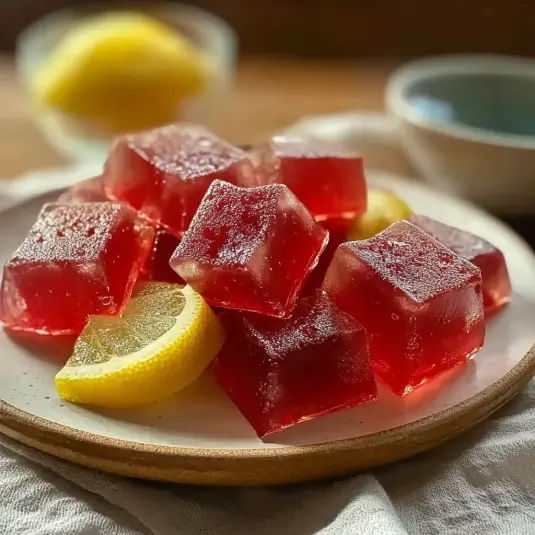
If a warm drink doesn’t suit your routine, the same mixture can be made as a cold-set snack. Use slightly less water (150ml instead of 200ml), pour into small silicone moulds, and refrigerate for two hours until firm. The resulting gelatin pieces can be eaten 20 minutes before meals and offer the same mechanism in solid form, convenient for people who prefer pre-made portions.
What the Research Actually Shows
A 2008 study published in the Journal of the American College of Nutrition found that gelatin was more satiating than casein, soy protein, and egg albumin on a gram-for-gram protein basis, with participants consuming roughly 20% fewer calories at the next meal after consuming gelatin compared to the other proteins tested.
Separate research on collagen peptides, a hydrolysed form of gelatin with a similar amino acid profile has found reductions in self-reported hunger and calorie intake at follow-up meals compared to placebo in some randomised controlled trials.
This is a reasonable evidence base for a modest appetite-related effect, but it’s worth being clear about its limits: these are mechanistic and short-term feeding studies, not long-term weight-loss trials specific to this exact recipe. Current evidence suggests modest appetite-related benefits, but larger long-term clinical trials are still needed to confirm the consistency of these effects across different populations. Gelatin is best understood as one supportive tool among several, not a guaranteed fat-loss intervention on its own.
Best Times to Use It, Depending on Your Goal
For appetite control at meals: 20–30 minutes before your largest meals the timing most consistent with the satiety mechanism described above.
For sleep support: A smaller serving (about half the recipe) 30–60 minutes before bed. Glycine’s calming effects may support deeper sleep, and better sleep is linked to lower cortisol and ghrelin the next morning, a secondary pathway that may modestly affect next-day appetite.
For blood sugar stability: Before a carbohydrate-heavy meal, since the gel-forming behaviour may slow glucose absorption from that meal.
As part of a broader routine: Once daily before dinner is a reasonable minimum. Twice daily (before lunch and dinner) may produce a more noticeable effect but requires more consistency.
What to Realistically Expect
This recipe is not a rapid transformation tool. It’s a low-effort, low-cost habit that may contribute to a modest, gradual reduction in calorie intake through appetite moderation and that effect, if it occurs, tends to build over weeks rather than days.
A general pattern some consistent users report:
- Weeks 1–2: Reduced urge to snack between meals, particularly one to three hours after lunch
- Weeks 3–4: More stable energy between meals, fewer intense sugar cravings, and an earlier sense of fullness during meals
- Weeks 5–8: For people also following a broader calorie-conscious approach, some report modest additional progress in this window though this varies significantly by individual and overall diet, and shouldn’t be attributed to gelatin alone
The honest summary: gelatin appears to be a genuinely low-risk, low-cost habit that may help some people manage appetite as part of a broader approach to eating less, not a stand-alone solution, and not something with guaranteed results for everyone who tries it.
It also requires minimal time, no special equipment, and doesn’t involve eliminating any food groups, which makes it easier to sustain than many more restrictive approaches and sustainability is often what separates a habit that produces a small ongoing benefit from one that’s abandoned after a week.
Related Posts
- Sugar Detox: A 30-Day Plan to Break Free From Cravings
- Slow Metabolism Symptoms: Causes, Signs, and Evidence-Based Strategies
Frequently Asked Questions
Can gelatin help with appetite control?
It does not directly cause weight loss. Gelatin may help moderate appetite as part of a broader approach to eating less, but it doesn’t replace the need for an overall calorie balance that supports weight management.
Think of it as a supportive habit rather than a solution by itself.
Is this gelatin recipe safe to use every day?
For most healthy adults, yes gelatin is a food ingredient with a long history of use and a favourable safety profile.
People with specific digestive conditions, those who are pregnant, or anyone on medication affecting blood sugar should check with a healthcare provider first.
How long before I notice a difference in appetite?
Some people notice reduced snacking within the first one to two weeks. More consistent changes in hunger patterns are generally reported after three to four weeks of regular use before meals.
Can I use flavoured gelatin instead of unflavoured?
It’s not recommended. Flavoured gelatin products like commercial Jell-O contain added sugar or artificial sweeteners that work against the goal of appetite moderation and add unnecessary calories or additives.
Does the type of gelatin (beef, pork, fish) matter?
The basic amino acid profile is similar across sources, so the mechanism described in this article should apply regardless of source. Choice mainly comes down to dietary preference or restrictions for example, those avoiding pork or beef may prefer fish-derived gelatin.
A simple, three-ingredient drink made in under five minutes, taken consistently before meals, isn’t a dramatic intervention but for some people, it’s exactly the kind of quiet, low-effort habit that supports a gradual reduction in cravings over time, alongside the rest of a sensible eating pattern.
References:
- Hochstenbach-Waelen A, et al. Gelatin satiety study, Journal of the American College of Nutrition, 2008
- PubMed Collagen peptides and appetite regulation: review of randomised trials
- National Institutes of Health (NIH) Glycine and metabolic health: a review
- Journal of Nutrition Protein source and satiety hormone response