Key Takeaways
- Certain herbal teas including spearmint, red clover, vitex, and dandelion root have real evidence supporting their role in hormone balance and liver-based estrogen clearance.
- Hormonal detox teas work best as part of a broader lifestyle approach, not as a standalone fix.
- Some herbs interact with medications or hormonal contraceptives knowing the risks is just as important as knowing the benefits.
- Timing your tea intake thoughtfully (morning vs. evening) can enhance its effectiveness depending on the herb.
Hormonal detox is one of those phrases that sounds almost too simple to be meaningful. But the idea behind it is genuinely sound: supporting your body’s natural ability to metabolize and eliminate excess hormones particularly estrogen through diet, lifestyle, and targeted herbal support. And for many women, herbal tea is an accessible, enjoyable way to start.
The connection between herbs and hormones isn’t new. Traditional medicine systems from Ayurveda to Traditional Chinese Medicine have used plant-based remedies for menstrual regulation and reproductive health for thousands of years. What’s changed is that modern research is starting to explain why some of these herbs work. If you’ve been looking at the root causes of estrogen dominance and what drives hormonal imbalance, adding the right herbal teas is a natural next step.
That said, not all herbal teas marketed for “hormone balance” deliver on their claims. This article focuses specifically on the herbs with credible evidence, how they work, what to expect, and where the real risks lie.
How Herbal Teas Can Support Hormonal Detox
Before getting into specific herbs, it helps to understand the mechanisms. Hormonal detox teas don’t directly “balance” hormones the way a medication would. What they do when they work is support the biological pathways that keep hormones regulated.
Liver Support and Estrogen Clearance
The liver is the primary organ responsible for processing and eliminating hormones. After estrogen does its job, the liver packages it for excretion through bile and out through the digestive tract. When liver function is sluggish due to poor diet, alcohol, toxin exposure, or simply being overburdened estrogen recirculates instead of clearing.
Several herbs support Phase I and Phase II liver detoxification. These phases involve transforming hormones into water-soluble forms that can be excreted. Dandelion root, milk thistle, and burdock root all have documented hepatoprotective properties meaning they help the liver function more efficiently.
Gut Motility and Estrogen Elimination
Even after the liver processes estrogen properly, it still needs to move through the gut and out of the body. Slow gut transit time gives an enzyme called beta-glucuronidase the chance to “un-package” estrogen and send it back into circulation, a process that worsens estrogen dominance.
Herbs with mild digestive-support properties fennel, ginger, and dandelion leaf help maintain healthy gut motility, supporting the final step of estrogen elimination.
Adaptogenic Stress Modulation
Chronic stress suppresses progesterone (because the body prioritizes cortisol production) and worsens hormonal imbalance. Adaptogenic herbs like ashwagandha and licorice root help modulate the stress response, indirectly supporting progesterone levels and overall hormonal balance.
Anti-Androgenic and Phytoestrogenic Effects
Some herbs act directly on hormone receptors. Spearmint, for example, has documented anti-androgenic properties useful for conditions like PCOS where elevated androgens drive acne and irregular periods. Red clover contains isoflavones that interact with estrogen receptors, which can be helpful during perimenopause when estrogen is declining.
The Best Herbal Teas for Hormone Balance
Not every herb marketed for hormones has evidence behind it. These ones do.
Spearmint Tea
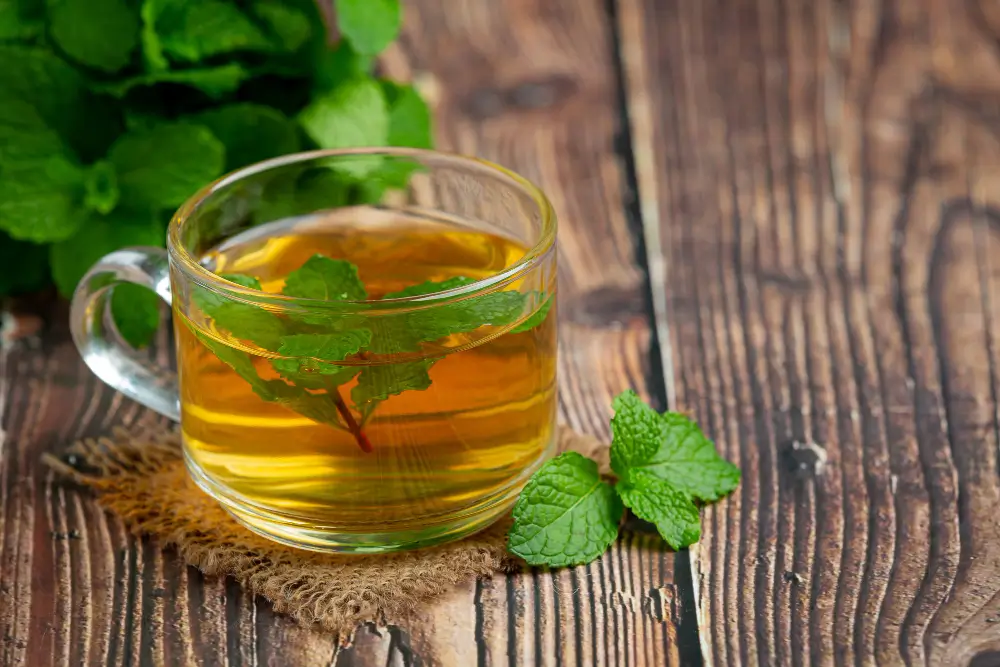
Spearmint is one of the most studied herbs for hormonal conditions particularly polycystic ovary syndrome (PCOS). Two controlled studies found that drinking two cups of spearmint tea daily significantly reduced free testosterone levels in women with PCOS over a 30-day period. Participants also reported improvements in unwanted hair growth and acne.
The mechanism involves spearmint’s ability to inhibit the enzyme 5-alpha reductase, which converts testosterone into its more potent form (DHT). This makes it especially useful for androgen-driven symptoms.
How to use it: Two cups per day morning and mid-afternoon. Use fresh or dried spearmint leaves steeped for 5–10 minutes.
Dandelion Root Tea
Dandelion root is one of the most reliable liver-support herbs available. It stimulates bile production, supports Phase II liver detoxification, and has mild diuretic properties that help the body clear waste more efficiently. All of this contributes to better estrogen metabolism and clearance.
It’s also rich in antioxidants and has prebiotic fiber that feeds beneficial gut bacteria supporting the estrobolome that regulates estrogen reabsorption.
How to use it: One to two cups daily. Roasted dandelion root tea has a deeper, coffee-like flavor that many people find easier to drink consistently.
Red Clover Tea
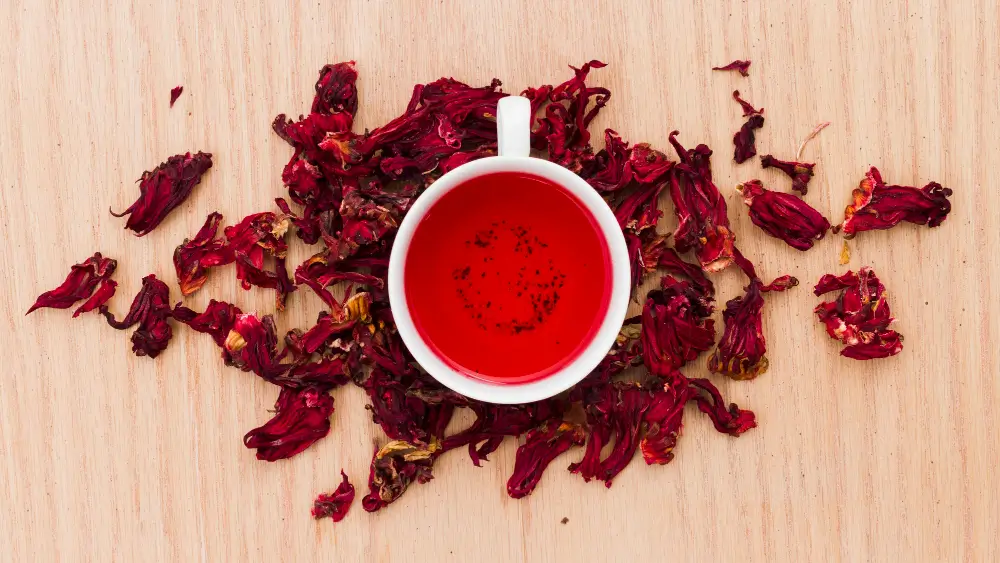
Red clover contains phytoestrogens plant compounds called isoflavones that bind weakly to estrogen receptors. This can be genuinely helpful during perimenopause and menopause, when declining estrogen causes hot flashes, sleep disruption, and mood changes. By occupying estrogen receptors with a weaker signal, red clover can take the edge off symptoms without replacing estrogen itself.
It’s worth noting that red clover isn’t ideal for everyone. Women with estrogen-sensitive conditions like certain hormone-sensitive cancers or endometriosis should talk to a doctor before using phytoestrogenic herbs.
How to use it: One cup per day, preferably in the morning. Don’t combine with hormonal contraceptives without medical guidance.
Vitex (Chasteberry) Tea
Vitex agnus-castus commonly called chasteberry works through a different mechanism than most hormone-related herbs. Rather than influencing estrogen directly, it affects the pituitary gland’s release of luteinizing hormone (LH), which supports progesterone production during the luteal phase of the menstrual cycle.
Multiple clinical trials show vitex reduces PMS symptoms particularly breast tenderness, mood changes, and irregular cycles with effects appearing after two to three months of consistent use.
How to use it: Vitex is most commonly taken as a tea or tincture in the morning (some research suggests morning dosing aligns with natural LH patterns). It takes time don’t expect results in the first month.
Milk Thistle Tea
Milk thistle’s active compound, silymarin, is one of the most well-studied liver-protective substances in botanical medicine. It supports liver cell regeneration, protects against oxidative damage, and enhances both Phase I and Phase II liver detoxification.
For hormonal health, milk thistle matters because a healthy liver clears excess hormones efficiently. If your liver is under-functioning, no amount of dietary changes will fully resolve estrogen dominance or hormonal imbalance.
How to use it: One cup per day. Because silymarin isn’t highly water-soluble, tea is less potent than a standardized supplement but it still provides benefit, especially when used consistently as part of a broader approach.
Ginger Tea
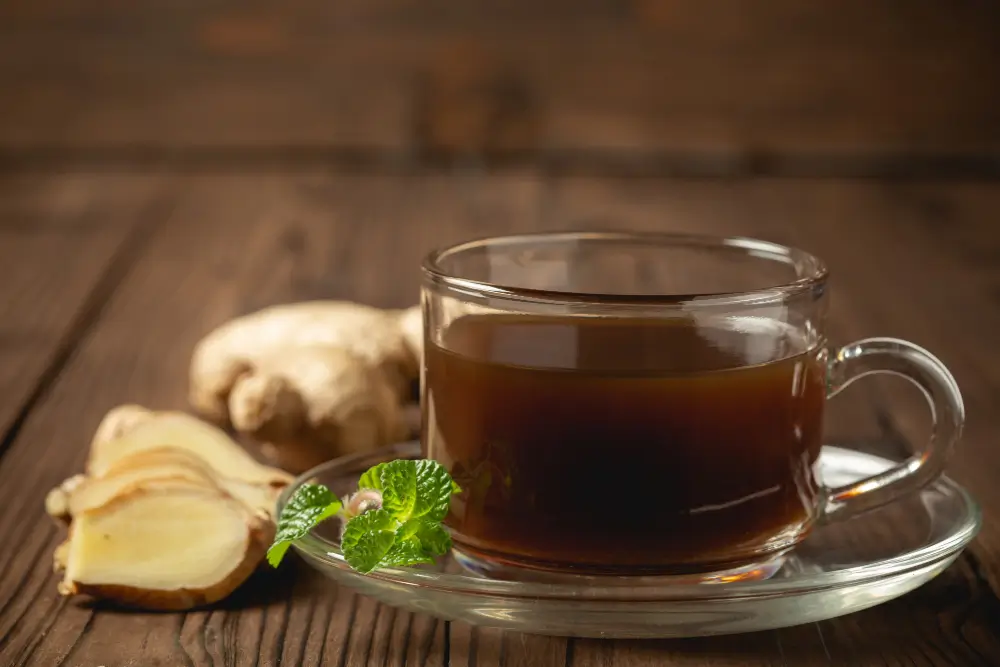
Ginger is often overlooked in hormone conversations, but it deserves a place here. Research shows ginger has measurable anti-inflammatory effects, helps regulate blood sugar (which in turn reduces insulin-driven hormonal disruption), and improves gut motility.
For women with PCOS or inflammatory hormone conditions, ginger’s ability to lower inflammatory markers and support insulin sensitivity makes it a genuinely useful addition.
How to use it: Fresh ginger root sliced and steeped for 10 minutes, or powdered ginger in hot water. One to two cups daily. Also excellent combined with lemon and a small amount of honey.
Ashwagandha Tea
Ashwagandha is an adaptogen that helps your body regulate its response to stress by modulating cortisol. Elevated cortisol disrupts progesterone, contributes to thyroid dysfunction, and worsens hormonal imbalance across the board.
Several clinical trials show ashwagandha supplementation reduces cortisol levels, improves thyroid hormone markers in subclinical hypothyroidism, and reduces self-reported stress and anxiety. As a tea, it’s milder than a concentrated extract, but it can still contribute meaningfully to daily stress management.
How to use it: One cup in the evening ashwagandha’s calming properties make it a natural fit before bed. Combine with warm milk (dairy or plant-based) for a traditional preparation sometimes called “moon milk.”
Simple Hormonal Detox Tea Recipes at Home
You don’t need to buy expensive pre-blended products. These simple combinations are easy to make and target specific hormonal concerns.
Morning Liver Support Blend
- 1 tsp roasted dandelion root
- ½ tsp milk thistle seeds (lightly crushed)
- Slice of fresh ginger
- Steep in boiling water for 10 minutes, strain, add lemon
Best for: supporting estrogen clearance and liver function
Afternoon Anti-Androgen Blend
- 1 heaped tsp dried spearmint leaves
- Small slice of fresh ginger
- Steep for 7–10 minutes
Best for: PCOS, androgen-driven acne, unwanted hair
Evening Hormone Balance Blend
- 1 tsp ashwagandha powder or root slices
- ½ tsp dried chamomile
- Warm oat milk or almond milk base
- Pinch of cinnamon
Best for: cortisol reduction, sleep support, progesterone balance
These blends work well alongside a structured detox and cleanse approach that addresses the liver and gut simultaneously.
When to Drink Hormonal Detox Tea for Best Results
Timing matters more than most people realize. Different herbs suit different times of day based on their effects.
Morning:
- Dandelion root, milk thistle, spearmint, red clover, ginger
- Support liver function and metabolic processes that are most active earlier in the day
Afternoon:
- Spearmint (second cup), ginger, green tea (antioxidant and blood sugar support)
- Maintain anti-inflammatory and hormone-metabolizing activity
Evening:
- Ashwagandha, chamomile, passionflower
- Calm the nervous system, support cortisol reduction, and improve sleep quality (which directly affects hormone balance)
One practical rule: drink your liver-support teas on an empty stomach or 30 minutes before meals for better absorption. Evening teas work well 30–60 minutes before bed.
Does Detox Tea Really Balance Hormones? Honest Expectations
This is worth addressing directly, because there’s a lot of overselling in this space.
Herbal teas are not hormonal medications. They won’t rapidly correct a significant hormonal imbalance on their own. What they can do over weeks and months is gently support the systems that regulate hormones: the liver, the gut, the adrenal glands, and the stress response.
Think of hormonal detox tea the way you’d think of good nutrition: essential for long-term health, genuinely supportive, but not a quick fix for a complex problem.
The women who see the most benefit from herbal teas are usually the ones who pair them with broader lifestyle changes a metabolic reset that addresses diet, sleep, and stress together rather than expecting a single cup of dandelion tea to do all the heavy lifting.
According to research, several herbal medicines including Vitex agnus-castus and spearmint show statistically significant effects on hormonal markers but the research also emphasizes that results are dose-dependent, condition-specific, and take time to accumulate.
Real Risks You Should Know About
Herbal teas are natural but natural doesn’t automatically mean safe for everyone. These are the most important risks to be aware of.
Drug Interactions
- Vitex can interfere with dopamine-related medications and hormonal contraceptives
- Licorice root can raise blood pressure and interact with blood pressure medications, diuretics, and corticosteroids
- St. John’s Wort (sometimes included in hormone blends) significantly reduces the effectiveness of oral contraceptives and many other medications
- Ashwagandha can amplify the effects of thyroid medications and sedatives
Conditions That Require Caution
- Hormone-sensitive cancers: avoid phytoestrogens (red clover, soy-based herbs) without medical clearance
- Pregnancy and breastfeeding: many herbs that affect hormones are contraindicated
- Autoimmune thyroid conditions: some adaptogens, including ashwagandha, may affect thyroid function
Quality and Labeling
Not all herbal teas are created equal. Cheap mass-market tea bags often contain very little of the active herb. Choose brands that list the herb’s botanical name, provide standardized extract percentages where relevant, and ideally have third-party testing for purity.
Related Posts
- Estrogen Dominance: Causes, Symptoms & Safe Detox Options
- Natural Detox Kits & Cleanse Guide for Better Health
Getting your hormones into better balance is rarely a one-ingredient fix but it’s also not as complicated as it sometimes feels.
The right herbal teas, chosen thoughtfully and used consistently, give your liver, gut, and stress response the kind of daily support that adds up over time. It’s less about any single cup and more about building a routine that works with your body rather than against it which, at its core, is what any good hormonal detox is really about.