Key Takeaways
- Weight management with this eating pattern is linked to several factors together fibER, unsaturated fats, protein, and overall food quality not a single mechanism.
- It’s one of the most studied dietary patterns for cardiovascular health, not just weight.
- Portion size still matters. Nuts and olive oil are calorie-dense, so healthy doesn’t mean unlimited.
The Mediterranean diet can support weight management through several factors working together: dietary quality, fiber-rich foods, satiety, and overall energy intake rather than through one single mechanism.
It centers on vegetables, whole grains, olive oil, fish, and legumes, with red meat and sweets eaten only occasionally. Beyond weight, it has substantial research behind cardiovascular health, and it’s generally best understood as a long-term eating pattern rather than a short-term weight-loss program.
- Understanding the Mediterranean Diet Principles
- How the Mediterranean Diet Supports Weight Management
- Building a Mediterranean Diet Meal Plan
- Combining Mediterranean Eating With Other Strategies
- Common Mistakes That Undermine Results
- Why This Pattern Tends to Be Sustainable Long-Term
- When to Talk to a Healthcare Professional
- Related Posts
Understanding the Mediterranean Diet Principles
The modern Mediterranean-style eating pattern is based on dietary practices traditionally associated with countries bordering the Mediterranean Sea Greece, Italy, Spain, and southern France although the exact foods and proportions vary by region and by household.
The Foundation of Mediterranean Eating
Vegetables form the base of most meals not as an afterthought, but as flavorful components prepared with olive oil, herbs, and garlic. Whole grains provide fiber and other nutrients and can replace refined grain products in a Mediterranean-style eating pattern, think whole grain bread, brown rice, and quinoa.
Unsaturated fats, particularly from olive oil, nuts, seeds, and fatty fish, are an important part of the pattern rather than being restricted. A 2024 analysis of Mediterranean-diet interventions reported greater weight-loss outcomes in groups assigned to Mediterranean-style approaches incorporating extra-virgin olive oil, although the results should be interpreted in the context of the overall dietary pattern rather than as evidence that olive oil itself causes weight loss.
Protein comes mainly from fish and seafood, with moderate poultry, eggs, and dairy. Red meat appears occasionally rather than as a daily staple.
What This Looks Like Day to Day
| Frequency | Foods |
| Daily | Vegetables at most meals, fruit, whole grains, olive oil as the primary fat, nuts and seeds, herbs and spices in place of excess salt |
| Weekly | Fish and seafood two to three times, moderate poultry, eggs, and cheese, small portions of yogurt |
| Occasional | Red meat in small portions, sweets sparingly |
Alcohol is not necessary to follow a Mediterranean-style eating pattern. If you drink alcohol, current health guidance generally recommends limiting intake; people who do not currently drink should not start for purported health benefits.
This is a flexible framework rather than a strict rule-book. The goal is a gradual shift in eating patterns, not obsessive portion measurement or eliminating foods you enjoy.
Foods to Favor, Moderate, and Limit
| Eat more often | Eat in moderation | Limit |
| Vegetables | Poultry | Processed meat |
| Fruit | Eggs | Sugar-sweetened foods and drinks |
| Beans and lentils | Dairy (yogurt, cheese) | Ultra-processed foods |
| Whole grains | Fish and seafood | Excess sodium |
| Nuts and seeds | Olive oil (calorie-dense mind portions) | Alcohol (if consumed at all) |
How the Mediterranean Diet Supports Weight Management

Image by Madeline Liu on Unsplash
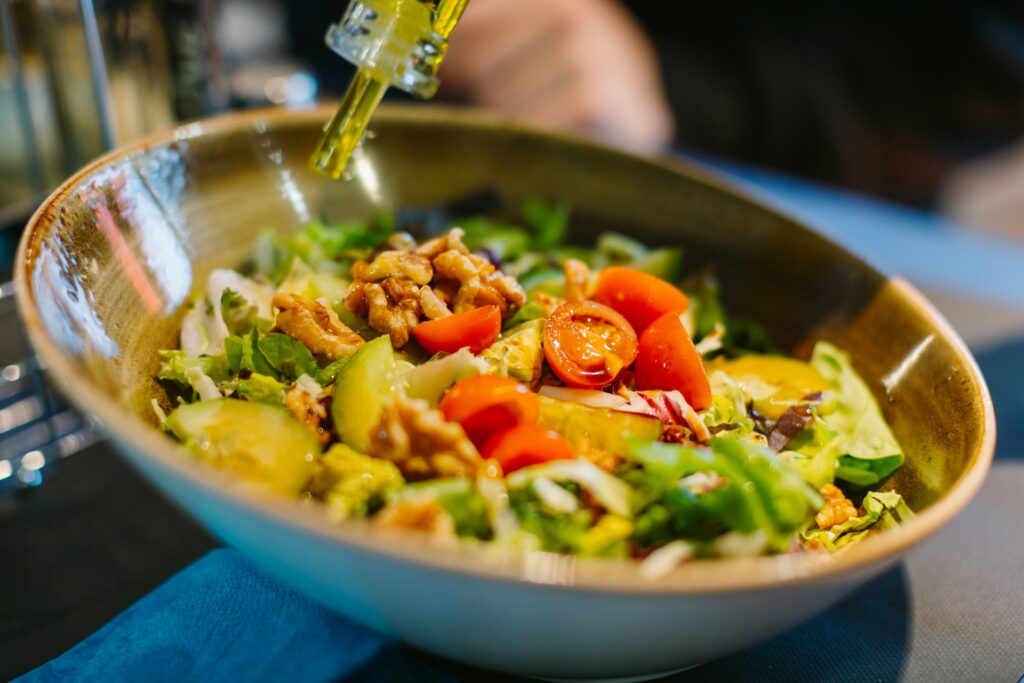
Weight management on this eating pattern isn’t driven by one mechanism. It reflects the combined effect of food choices, satiety, and overall energy balance.
Satiety Without Constant Hunger
High-fiber foods such as vegetables, fruit, legumes, and whole grains can contribute to fullness and make meals more satisfying. Foods such as olive oil, nuts, fish, and legumes also provide fats or protein that can add to overall meal satisfaction.
Adequate protein from fish, legumes, and moderate poultry can also help preserve lean muscle mass during weight loss, a consideration that matters because, on very restrictive diets, a higher proportion of weight loss sometimes comes from lean tissue rather than fat.
That said, the Mediterranean diet does not produce weight loss through fiber, fat, or protein alone. Total dietary intake, food choices, activity level, and long-term adherence all play a role, and individual results vary.
Metabolic Effects
Mediterranean-style dietary patterns have been associated with improvements in several cardio-metabolic measures, including markers of insulin sensitivity and blood glucose regulation, in a number of clinical and observational studies.¹ Better insulin sensitivity is generally linked to more efficient metabolism of stored fat, though this is one factor among several rather than a guaranteed outcome for any individual, and responses vary by health status, medication use, and genetics.
Compounds found in olive oil, fish, fruits, and vegetables have also been associated with lower markers of systemic inflammation in Mediterranean-diet research.² This is relevant because chronic low-grade inflammation is linked more broadly to insulin resistance and metabolic dysfunction though inflammation markers are a surrogate measure, not a direct measure of weight change.
Fiber-rich foods can influence the gut microbiome, and research continues to examine how dietary patterns such as Mediterranean-style eating may affect gut microbial composition and, in turn, metabolic health.³
This is a genuinely promising but still-developing area of research the specific relationship between particular gut bacteria and body weight in humans is not yet fully established.
For additional evidence-based approaches that complement Mediterranean eating patterns, our natural weight loss strategies guide covers other sustainable tactics.
Building a Mediterranean Diet Meal Plan
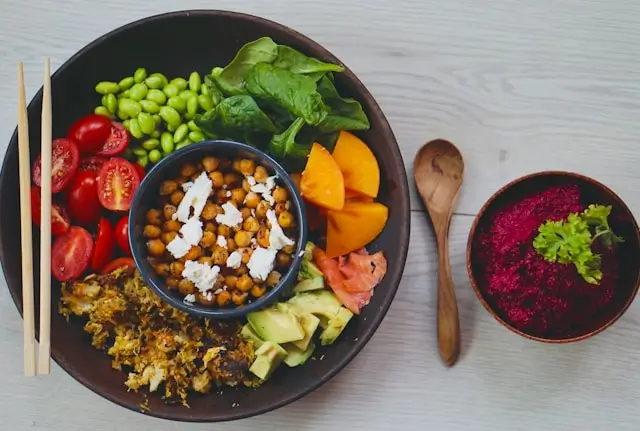
Image by Charlotte Karlsen on Unsplash
Transitioning doesn’t require overhauling everything you currently eat. Gradual shifts accumulate into meaningful change over weeks and months.
Starting Points
Replace butter with olive oil for cooking and drizzling. This single swap increases monounsaturated fat intake while reducing saturated fat. Olive oil is calorie-dense (about 120 calories per tablespoon), so it’s worth using it deliberately rather than pouring it freely.
Add an extra serving of vegetables to lunch and dinner salads, roasted vegetables, or vegetable-heavy soups are simple starting points.
Swap refined grains for whole-grain versions whole grain bread, brown rice, whole wheat pasta, and quinoa instead of refined white varieties.
Eat fish at least twice weekly salmon, sardines, mackerel, and other fatty fish provide omega-3 fatty acids, which have been studied for their association with lower markers of inflammation.⁴ Canned fish is a practical, affordable option.
Sample Meal Structure
This is an illustrative example, not a prescribed meal plan. Portion sizes and food choices should be adapted to individual needs, preferences, and any medical conditions.
Breakfast: Greek yogurt with berries and nuts, or a vegetable omelet with herbs and feta
Lunch: A large salad with grilled fish or chicken and an olive oil dressing, or lentil soup with whole grain bread
Dinner: Grilled fish with roasted vegetables and quinoa, or a vegetable and white bean stew
Snacks: Fresh fruit, a small handful of nuts, or vegetables with hummus
Combining Mediterranean Eating With Other Strategies
With Intermittent Fasting
The satiety associated with fiber, unsaturated fat, and protein in Mediterranean-style meals may make time-restricted eating windows more manageable for people who choose to combine the two approaches.
Some people follow 16:8 intermittent fasting while eating within Mediterranean principles, aiming to preserve nutrient density despite eating within a shorter window. This combination isn’t necessary or appropriate for everyone.
People with a history of disordered eating, those who are pregnant or breastfeeding, and people managing diabetes or other conditions affected by meal timing should speak with a healthcare provider before combining fasting with any dietary pattern. For more detail on this specific combination, see our intermittent fasting guide.
With Regular Movement
Traditional Mediterranean lifestyles are generally associated with regular physical activity walking, gardening, and active daily living, not necessarily structured gym workouts.
Regular physical activity can complement a Mediterranean-style eating pattern and support cardiovascular health and weight management; the appropriate amount, type, and intensity depend on age, fitness level, and any existing health conditions, so general population guidelines (such as those from the CDC or WHO on weekly physical activity) are a reasonable starting reference point, ideally discussed with a healthcare provider if you have a chronic condition.
Resistance training a few times a week, using body weight exercises, resistance bands, or basic weights, can help preserve muscle mass during weight loss.
Common Mistakes That Undermine Results
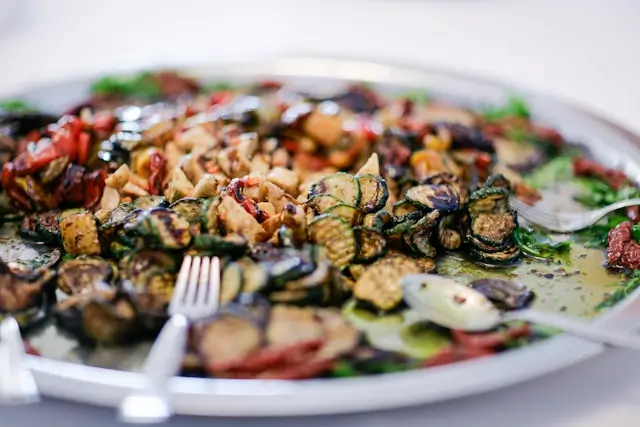
Image by björn maser on Unsplash
Following Mediterranean principles doesn’t automatically guarantee weight loss. A few common pitfalls are worth watching for.
Portion Sizes Still Matter
The Mediterranean diet emphasizes food quality, but calories still count toward overall energy balance. Unlimited whole grain pasta, nuts, and olive oil can prevent weight loss regardless of food quality.
Nuts are particularly easy to overeat; a serving is roughly a small handful (about 1 oz / 28 g), and it’s easy to eat several servings while snacking without noticing. Pre-portioning into small containers can help.
Olive oil is calorie-dense at roughly 120 calories per tablespoon. Used with intention, that’s a reasonable part of the pattern but liberally covering a salad in a large quantity adds calories quickly without proportionally more fullness.
Hidden Calories, Particularly When Eating Out
Restaurant versions of Mediterranean food often include more oil, cheese, and bread than home-prepared versions, and can deliver significantly more calories per meal than the pattern typically involves at home.
If alcohol is part of your routine, it can add meaningful calories, especially with generous or frequent pours. If you don’t currently drink, this isn’t a component you need to add to follow the pattern.
Cheese and cured meats are traditionally used as flavor components in modest quantities, not as primary elements of a meal.
Not Enough Vegetables
Some people adopt the more indulgent-feeling parts of Mediterranean eating pasta, bread, cheese while under-eating the vegetables that are actually foundational to the pattern. If a Mediterranean-style meal doesn’t include at least two to three vegetable servings, it’s missing much of what the pattern is built around.
Why This Pattern Tends to Be Sustainable Long-Term
One reason Mediterranean-style eating can be sustainable for many people is its flexibility: it emphasizes an overall eating pattern rather than requiring elimination of entire food groups, which may make it easier to maintain compared with more restrictive approaches though individual adherence and results vary, and no single dietary pattern works equally well for everyone.
It also tends to accommodate everyday life reasonably well. Social meals, restaurants, travel, and celebrations don’t require abandoning the pattern the way some stricter diet rules do, because it’s built on flexible principles rather than a fixed list of forbidden foods.
Beyond weight, the Mediterranean diet has substantial research behind broader cardiovascular outcomes. Multiple studies and clinical guidelines link Mediterranean-style eating to reduced cardiovascular disease risk, improved cholesterol profiles, and blood pressure benefits.⁵
Some research also suggests a possible role in supporting cognitive health with age, though this area continues to develop and causal evidence in humans is still limited.⁶ These broader health outcomes are often what motivates people to continue the pattern even after reaching a weight goal.
Adapting It to You
This is a template, not a rigid prescription. If you don’t eat fish, plant proteins and poultry can take a larger role. If you’re vegetarian, legumes and nuts increase in importance.
The core principles of whole foods, unsaturated fats, and abundant vegetables can be adapted to a range of preferences, cultures, and dietary restrictions, though anyone with a diagnosed medical condition should adapt the pattern with guidance from a healthcare professional or registered dietitian rather than through general articles like this one.
When to Talk to a Healthcare Professional
Consider speaking with a doctor or registered dietitian before making significant dietary changes if you:
- Are pregnant or breastfeeding
- Have diabetes or take medication that affects blood sugar
- Have kidney or liver disease
- Have a history of disordered eating
- Are taking medications that interact with dietary fat, fiber, or specific foods
- Have a cardiovascular condition and are considering changes to fat or sodium intake
This article does not diagnose any condition or prescribe an individualized treatment plan. It is intended as general educational information.
Related Posts
- Natural Weight Loss Strategies for Sustainable Health
- Intermittent Fasting for Weight Loss: A Beginner’s Guide
- High-Protein Foods: How Protein Supports Weight Management
The Mediterranean diet is best understood as a long-term eating pattern rather than a short-term detox or weight-loss program. Its emphasis on vegetables, fruits, legumes, whole grains, nuts, unsaturated fats, and minimally processed foods aligns with current heart-healthy dietary guidance from major health organizations.
Weight outcomes still depend on overall energy intake, activity, individual health factors, and long-term consistency; there is no single food or swap that determines results on its own.
Explore Our Product Reviews
Looking for independently researched information on wellness products related to healthy eating? Our Shop contains product reviews and comparisons. Some links on that page may be affiliate links, meaning Detoxoz may earn a commission on qualifying purchases at no additional cost to you. Nothing in this article is a recommendation to purchase any specific product, and no product is necessary to follow a Mediterranean-style eating pattern.
Explore Detoxoz Product Reviews →
References and Sources
- Research on Mediterranean-style dietary patterns and markers of insulin sensitivity / glycemic control peer-reviewed clinical and observational studies (PubMed/NIH).
- Research on Mediterranean-style dietary patterns and inflammatory biomarkers (PubMed/NIH).
- Research on dietary fiber, fermented foods, and gut microbiome composition is an active and developing area of nutrition science (PubMed/NIH).
- Research on omega-3 fatty acid intake and inflammatory markers (PubMed/NIH).
- 2024 analysis of Mediterranean-diet interventions and olive oil intake, weight outcomes
This article summarizes general findings from the sources above. It is not a substitute for reading the primary research or for individualized medical or nutritional advice.