
Key Takeaways
- Testosterone declines at roughly 1–2% per year from age 30 but lifestyle factors can significantly accelerate or slow that process.
- Sleep and resistance training have a larger measurable impact on testosterone than any OTC supplement.
- Vitamin D, zinc, and ashwagandha have the most defensible clinical evidence for supplemental support.
- Men with symptoms plus blood levels consistently below 300 ng/dL need medical evaluation. Natural approaches are not a substitute for appropriate clinical care.
- Results from lifestyle changes typically appear in blood work after 8–12 weeks of consistent effort.
At a Glance
| Focus keyword | Testosterone after 40 |
| Best lifestyle intervention | Sleep + resistance training |
| Best-evidenced supplements | Vitamin D, zinc, ashwagandha |
| Time to see results | 8–12 weeks |
| When to see a doctor | Symptoms + blood levels below 300 ng/dL |
Testosterone after 40 often gets blamed for everything: low energy, stubborn belly fat, reduced drive, slower gym recovery. Sometimes that’s accurate. Often it’s more complicated. This guide separates what the evidence actually supports from what supplement marketing overstates, and gives you a clear framework for what to address first, second, and when to involve a doctor.
- Is Testosterone Decline Really Inevitable After 40?
- Can You Naturally Increase Testosterone After 40?
- Signs Your Testosterone May Be Low
- Should You Get Your Testosterone Tested?
- Decision Framework: What to Do First
- What Actually Works Ranked by Evidence
- The Four Lifestyle Strategies That Matter Most
- Supplements With Reasonable Evidence
- What Testosterone Supplements Get Wrong
- Natural Support vs Testosterone Replacement Therapy
- A Realistic Timeline
- When to See a Doctor
- Related Posts
- Frequently Asked Questions
Is Testosterone Decline Really Inevitable After 40?
Partially but not as much as most men assume.
The gradual decline is real. Research published in the Journal of Clinical Endocrinology & Metabolism documented average testosterone decline rates of 1–2% per year in healthy men from age 30 onward. The hypothalamic-pituitary-gonadal (HPG) axis of the hormonal communication chain between the brain and testes becomes less efficient with age, and the Leydig cells responsible for testosterone production become less responsive to hormonal signals.
But less efficient is not the same as broken. A substantial portion of what men experience as testosterone decline after 40 is driven by modifiable factors: visceral fat accumulation, chronic sleep deprivation, sedentary behaviour, unmanaged stress, and nutritional deficiencies. Men who address these consistently often see meaningful recovery in testosterone levels sometimes more than supplements alone could ever produce.
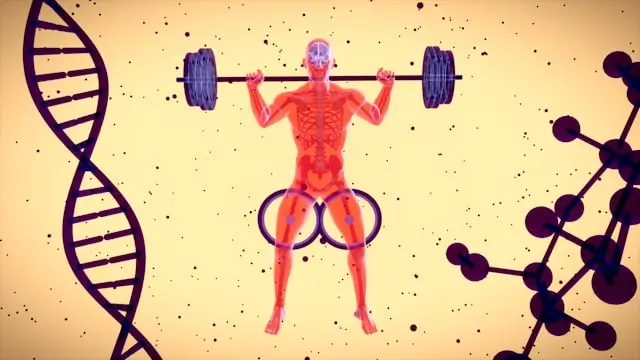
Can You Naturally Increase Testosterone After 40?
Yes within realistic limits.
Men with the most modifiable risk factors (poor sleep, excess body fat, sedentary lifestyle, nutritional deficiencies) have the most room to improve. Studies document testosterone increases of 15–25% in men who address sleep, body composition, and key nutrient deficiencies consistently over 8–12 weeks. That is a meaningful improvement, even if it falls short of what testosterone replacement therapy produces.
Men already optimising these factors will see smaller additional gains from supplements. The ceiling matters: natural approaches work within the body’s existing hormonal system, not by introducing external hormones.
Signs Your Testosterone May Be Low
| Symptom | Possible Link to Low Testosterone |
| Reduced libido | Strong |
| Unexplained fatigue | Moderate |
| Increased abdominal fat | Moderate |
| Muscle loss despite training | Strong |
| Low mood or irritability | Moderate |
| Difficulty concentrating | Moderate |
| Reduced morning erections | Strong |
| Poor sleep quality | Moderate (bidirectional) |
Individual symptoms are non-specific; each can have many causes. Multiple symptoms appearing together over months, particularly alongside a blood test showing consistently low levels, is the pattern that warrants medical attention.
Should You Get Your Testosterone Tested?
Yes, before spending money on supplements for two reasons.
First, you need a baseline to know whether your approach is working. Second, if your levels are clinically low, you need to know so you can seek appropriate care rather than delaying it with a supplement stack.
What to ask your doctor to test:
- Total testosterone the standard measure; morning draw is essential (levels are highest between 7–10 AM)
- Free testosterone the bioavailable fraction not bound to SHBG or albumin
- SHBG (sex hormone-binding globulin) high SHBG reduces free testosterone even when total levels look normal
- LH and FSH pituitary hormones that help identify whether the issue is upstream (brain) or downstream (testes)
How to interpret results:
- Normal range: approximately 300–1,000 ng/dL (varies by lab)
- Below 300 ng/dL with symptoms: typically meets clinical criteria for hypogonadism medical evaluation needed
- 300–450 ng/dL with symptoms: borderline; lifestyle optimisation is appropriate first-line approach with repeat testing
Repeat the test. One low reading doesn’t confirm hypogonadism testosterone fluctuates. Two morning readings on separate days with consistently low results is the standard clinical approach.
Decision Framework: What to Do First
Experiencing low energy, reduced libido, or mood changes?
↓
Is sleep consistently below 7 hours per night?
↓ YES
Improve sleep first 4 weeks minimum
↓
Still experiencing symptoms?
↓
Get a morning testosterone blood test
↓
Below 300 ng/dL?
YES → See a doctor for evaluation
NO → Focus on lifestyle optimisation below
What Actually Works Ranked by Evidence
| Intervention | Evidence Level | Realistic Testosterone Impact |
| Sleep (7–9 hours, consistent timing) | ⭐⭐⭐⭐⭐ | High 10–15% from sleep restriction alone |
| Resistance training | ⭐⭐⭐⭐⭐ | High sustained elevation with consistent training |
| Reducing visceral body fat | ⭐⭐⭐⭐⭐ | High up to 50% in significantly overweight men |
| Vitamin D (correcting deficiency) | ⭐⭐⭐⭐☆ | Moderate ~25% in deficient men |
| Zinc (correcting deficiency) | ⭐⭐⭐⭐☆ | Moderate in deficient men |
| Ashwagandha | ⭐⭐⭐⭐☆ | Moderate ~15% in RCTs |
| Stress management | ⭐⭐⭐⭐☆ | Moderate via cortisol reduction |
| Fenugreek | ⭐⭐⭐☆☆ | Mild free testosterone mainly |
| Magnesium | ⭐⭐⭐☆☆ | Mild SHBG reduction |
| Tribulus terrestris | ⭐☆☆☆☆ | Negligible not supported by quality trials |
The Four Lifestyle Strategies That Matter Most
1. Sleep
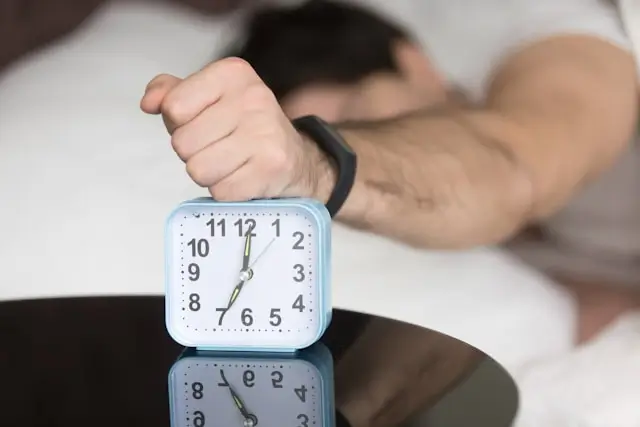
Most testosterone is produced during sleep particularly in the first few REM cycles. A study published in the Journal of the American Medical Association found that restricting healthy young men to five hours of sleep for one week reduced daytime testosterone by 10–15%. That’s equivalent to aging roughly ten years hormonally.
Seven to nine hours at consistent timing is non-negotiable for men focused on testosterone after 40. The single most impactful change: fix your wake time, seven days a week. This anchors the circadian rhythm and improves sleep architecture faster than any other intervention. If you’re also dealing with signs of a slow metabolism, poor sleep is almost always part of the picture.
2. Resistance Training
Heavy compound movements squats, deadlifts, rows, presses produce the strongest acute hormonal response of any exercise modality. Research consistently shows men who train with weights regularly have higher baseline testosterone than sedentary men of the same age. Three to four sessions per week targeting all major muscle groups, with progressive overload over time, is the evidence-supported framework. For more on how resistance training fits into a broader approach to boosting metabolism naturally, that article covers the full picture.
3. Reducing Visceral Fat
Adipose tissue, particularly visceral fat around the abdomen, contains aromatase, an enzyme that converts testosterone into estrogen. A 10–15% reduction in body fat in overweight men is associated with clinically meaningful testosterone increases in research, often more significant than any supplement.
This requires a calorie deficit combined with resistance training reducing fat while preserving or building muscle. Avoid very low-fat diets in the process: adequate dietary fat (from olive oil, eggs, avocados, nuts, fatty fish) provides cholesterol, the substrate from which testosterone is synthesised.
4. Managing Chronic Stress
Cortisol and testosterone have a direct inverse relationship. Chronically elevated cortisol suppresses testosterone synthesis at the hypothalamic, pituitary, and testicular levels simultaneously. Addressing the structural sources of chronic stress not just practising breathing exercises around them produces the most sustained cortisol reduction and the clearest downstream hormonal benefit.
Supplements With Reasonable Evidence
Vitamin D
Receptors for vitamin D exist in tissues involved in testosterone production. A randomised controlled trial published in Hormone and Metabolic Research found men taking 3,332 IU of vitamin D3 daily for one year showed approximately 25% higher testosterone than placebo. The key qualifier: this benefit is primarily in men who are deficient. If your levels are already adequate (40–60 ng/mL), additional supplementation produces smaller or no hormonal benefit. Get blood levels tested before supplementing.
Dose: 2,000–5,000 IU D3 daily, depending on baseline level.
Zinc
Zinc is essential for LH receptor function and testosterone synthesis. Research shows zinc supplementation prevents exercise-induced testosterone decline in athletes and raises testosterone in deficient men. Deficiency is common in men who sweat heavily or eat limited animal protein.
Dose: 25–40mg daily with food. Avoid exceeding 50mg daily it impairs copper absorption.

Ashwagandha
The best-evidenced botanical for testosterone support. Its primary mechanism is cortisol reduction. A double-blind RCT published in the American Journal of Men’s Health found 600mg of ashwagandha root extract daily for 8 weeks increased testosterone by approximately 15% versus placebo, alongside improvements in strength and recovery. Can amplify thyroid medications and sedatives consult your doctor if on prescription medication.
Dose: 300–600mg standardised root extract daily.
Fenugreek
Contains furostanolic saponins that inhibit aromatase and reduce SHBG, increasing the proportion of free testosterone. An RCT in the International Journal of Sport Nutrition and Exercise Metabolism found significant increases in free testosterone after 8 weeks. May affect blood glucose relevant for men managing diabetes.
Dose: 500mg standardised extract daily with meals.
Magnesium
Involved in SHBG reduction and hundreds of enzymatic reactions supporting testosterone pathways. Deficiency is common on Western diets. Magnesium glycinate or malate are the most bioavailable forms.
Dose: 300–400mg daily.
What Testosterone Supplements Get Wrong
❌ Tribulus raises testosterone Multiple well-designed trials show negligible effect on testosterone in healthy men. The evidence does not support this claim.
❌ D-aspartic acid works for everyone DAA shows effects primarily in men with low baseline testosterone. In men with normal levels, evidence is mixed or negative.
❌ Booster pills replace sleep and training No supplement produces hormonal effects that compensate for chronic sleep deprivation or sedentary lifestyle. The lifestyle fundamentals outperform every supplement in the evidence base.
❌ More testosterone is always better Supraphysiological levels carry real risks. The goal is supporting the body’s own production, not exceeding natural ranges.
Natural Support vs Testosterone Replacement Therapy
| Natural Approaches | Testosterone Replacement Therapy | |
| Time to effect | 8–12 weeks | Days to weeks |
| Testosterone increase | Mild to moderate (10–25%) | Large (to prescribed target range) |
| Availability | OTC supplements + lifestyle | Prescription only |
| Side effects | Minimal with lifestyle; supplement-specific | Needs monitoring fertility, RBC, cardiovascular |
| Who it’s for | Low-normal to borderline levels with lifestyle factors | Confirmed hypogonadism below 300 ng/dL with symptoms |
| Medical supervision needed | Advisable | Required |
These are not competing options for the same men. Men with confirmed clinical hypogonadism need medical care. Men with low-normal levels and lifestyle-driven decline are the appropriate audience for natural approaches.
A Realistic Timeline
| Timeframe | What to Expect |
| Weeks 1–3 | Better sleep, improved energy from sleep and stress changes |
| Weeks 4–8 | Improved workout performance; early body composition shifts |
| Weeks 8–12 | Measurable testosterone changes on blood work if repeated |
| Months 3–6 | Body composition improvements compound; sustained energy and libido improvements |
| 6 months+ | Long-term trajectory established habits matter more than any single intervention |
When to See a Doctor
Natural approaches are appropriate for men with low-normal levels and lifestyle-driven decline. See a healthcare provider if:
- Blood work consistently shows total testosterone below 300 ng/dL
- Symptoms are severe complete loss of libido, rapid muscle loss, significant depression, or erectile dysfunction
- Symptoms don’t improve after 8–12 weeks of consistent lifestyle changes
- You are considering testosterone replacement therapy
- You notice rapidly changing physical symptoms or pain that might indicate an underlying condition
Related Posts
Frequently Asked Questions
Can you naturally increase testosterone after 40?
Yes meaningfully, for many men. The extent depends on which factors are driving the decline. Men who are sleep-deprived, sedentary, stressed, overweight, or deficient in key nutrients have the most room to improve. Consistent changes over 8–12 weeks typically produce measurable results on blood work.
What is the most important lifestyle change for testosterone after 40?
Sleep and resistance training together but if forced to choose one, sleep. The evidence that sleep restriction severely suppresses testosterone is among the most consistent in this field. No supplement or exercise programme fully compensates for chronic sleep deprivation.
Should I get my testosterone tested before starting natural approaches?
Yes. A baseline reading lets you assess whether your approach is working when you retest at 8–12 weeks. More importantly, if your levels are clinically low, you need to know because natural approaches alone may not be sufficient and an underlying condition may require medical treatment.
Can low testosterone cause belly fat?
Yes the relationship is bidirectional. Low testosterone reduces the body’s ability to maintain lean mass and is associated with increased visceral fat accumulation. Visceral fat, in turn, converts testosterone to estrogen via aromatase, further lowering levels. Breaking this cycle requires addressing both simultaneously through diet, resistance training, and sleep.
Does coffee increase testosterone?
The evidence here is modest and mixed. Some studies show acute increases in testosterone following caffeine consumption, likely through adenosine receptor antagonism. The effect is small and short-lived, and high caffeine intake (particularly late in the day) disrupts sleep which has a much larger and well-documented negative effect on testosterone. Net: coffee in moderation is unlikely to harm testosterone, but shouldn’t be consumed as a testosterone strategy.
Is ashwagandha safe for long-term daily use?
For most healthy men, ashwagandha at standard doses (300–600mg root extract) is well-tolerated for the periods studied in clinical trials typically 8–12 weeks. Men on thyroid medications, sedatives, or immunosuppressants should consult their doctor. Long-term continuous use beyond several months should include breaks and ideally periodic medical oversight.
Natural testosterone improvement is possible after 40.
For most men, the biggest gains come from:
- sleeping well
- resistance training
- reducing visceral fat
- correcting nutrient deficiencies
Supplements may provide additional support, but they cannot replace these habits. If symptoms persist or testosterone remains below 300 ng/dL, seek medical evaluation.
Medical Disclaimer: This article is for informational and educational purposes only and does not constitute medical advice. If you are experiencing symptoms of low testosterone, consult a qualified healthcare provider for appropriate testing and diagnosis before starting any supplement or lifestyle protocol.
References:
- Journal of Clinical Endocrinology & Metabolism Age-related testosterone decline in healthy men
- Journal of the American Medical Association Sleep restriction and testosterone: Leproult & Van Cauter, 2011
- Hormone and Metabolic Research Vitamin D supplementation and testosterone: Pilz et al., 2011
- American Journal of Men’s Health Ashwagandha and testosterone: Lopresti et al., 2019
- International Journal of Sport Nutrition and Exercise Metabolism Fenugreek and free testosterone: Wankhede et al., 2016