Key Takeaways
- Protein has the highest thermic effect of any macronutrient and supports satiety more effectively than carbohydrates or fat, but this doesn’t mean more protein automatically causes fat loss on its own.
- Adequate protein, combined with resistance training, helps preserve muscle mass during a calorie deficit. Individual protein needs vary by age, activity level, and health status rather than following one universal target.
- High-protein diets aren’t appropriate for everyone. People with kidney disease or other conditions affecting protein metabolism should consult a healthcare provider before significantly increasing intake.
Higher-protein diets can support weight management through several mechanisms, including a greater thermic effect, improved satiety, and preservation of lean mass during calorie restriction.
Protein does not cause fat loss independently of overall energy intake and dietary pattern. Sports nutrition organizations suggest daily intakes around 1.6 – 2.2g/kg (roughly 0.7-1g/lb) for physically active adults aiming to preserve muscle during weight loss, though individual needs vary with age, training volume, and health conditions people with kidney disease should consult a doctor before significantly increasing intake.
- Does Protein Significantly Boost Metabolism?
- Why Protein Affects Metabolism and Appetite
- Protein Comparison Table
- Which Protein Foods Work Best for Different Goals?
- Building Meals Around Protein
- How to Increase Protein Without Relying on Supplements
- How Much Protein Do You Need?
- High-Protein Foods vs. High-Protein Diets
- Protein Is Not a Weight-Loss Treatment
- Related Reading
- Bottom Line
Does Protein Significantly Boost Metabolism?
Protein digestion requires more energy than carbohydrate or fat digestion, because of its higher thermic effect. However, the resulting increase in daily calorie expenditure is modest rather than dramatic; it isn’t a mechanism that overcomes a calorie surplus on its own.
What protein reliably does is make weight-management diets easier to sustain, by increasing fullness and helping preserve lean muscle during a deficit. The metabolism benefit is real but secondary to those two effects.
Why Protein Affects Metabolism and Appetite
Protein behaves differently from carbohydrates and fat in ways that matter directly for weight management. Understanding the mechanisms clarifies why protein intake is worth paying attention to, independent of any specific diet philosophy.
The Thermic Effect of Protein
Digesting and processing food itself costs energy; this is called the thermic effect of food. Protein has the highest thermic effect of any macro-nutrient, requiring roughly 20–30% of its own calories for digestion and processing. Carbohydrates cost about 5–10%, and fat only 0–3%.
Research published in the American Journal of Clinical Nutrition found that higher-protein diets increased 24-hour energy expenditure by a modest but measurable amount compared to lower-protein intakes at the same calorie level. This is a real, mechanistic effect not a dramatic one, but one that compounds over weeks when sustained consistently.
Muscle Preservation During a Calorie Deficit
Weight lost during a calorie deficit comes from a mix of fat and lean tissue, and the ratio is influenced significantly by protein intake and resistance training. Research on caloric restriction and diet quality has found that higher protein intake during a deficit is associated with better preservation of lean body mass compared to lower-protein diets at the same calorie level, particularly when combined with resistance training.
Lean tissue contributes to resting energy expenditure, though the effect of preserving muscle on total daily energy expenditure shouldn’t be overstated; it’s meaningful for body composition and physical function, more than a dramatic metabolism boost.
Satiety and Appetite Control
Protein-rich meals can increase feelings of fullness, and research suggests higher-protein diets may help some people manage appetite during weight management. The effect varies between individuals, but for many it’s one of the more practical levers for sustaining a calorie deficit without constant hunger.
For broader context on sustainable weight management approaches, our natural weight loss strategies guide covers additional evidence-based tactics that work alongside protein intake.
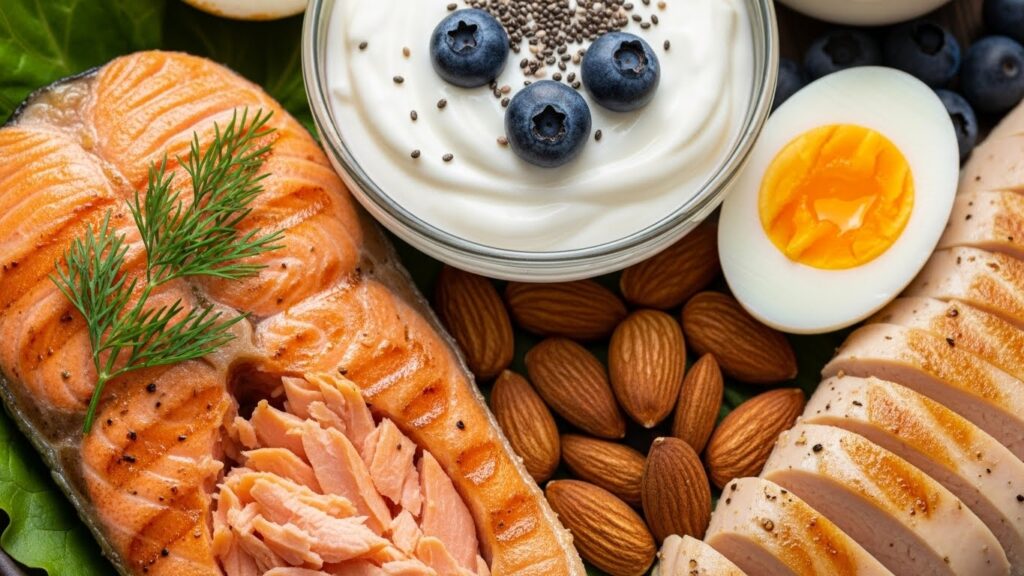
Protein Comparison Table
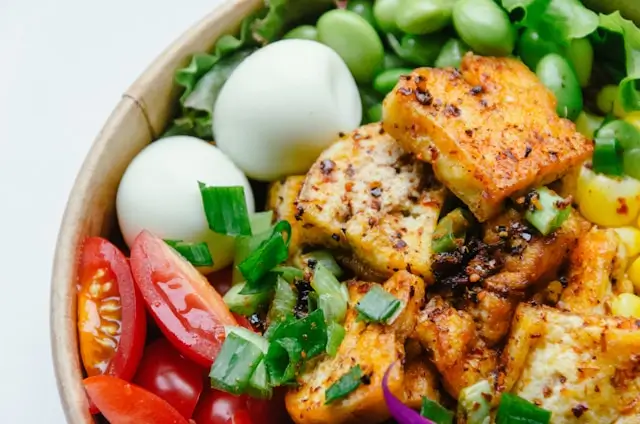
Image by Anh Nguyen on Unsplash
Values are approximate and vary by specific food, brand, and preparation method use food labels or a standard nutrition database when precise tracking matters.
| Food | Protein (per 100g unless noted) | Approx. calories |
| Chicken breast | ~31g | ~165 |
| Canned tuna (in water) | ~26g | ~130 |
| Lean beef (90%+) | ~26–30g | ~180 |
| Greek yogurt (plain) | ~10g | ~60 |
| Cottage cheese | ~11g | ~80 |
| Eggs (per egg) | ~6–7g | ~70 |
| Lentils (cooked, per cup) | ~18g | ~230 |
| Tofu | ~8g | ~145 |
| Edamame (per cup) | ~17g | ~190 |
| Quinoa (cooked, per cup) | ~8g | ~220 |
Which Protein Foods Work Best for Different Goals?
For fat loss: Greek yogurt, chicken breast, white fish, cottage cheese, and legumes offer a high protein-to-calorie ratio, making it easier to eat enough protein within a calorie deficit.
For muscle building: Lean beef, salmon, eggs, and dairy provide protein alongside the additional calories often needed to support muscle gain, alongside resistance training.
For vegetarians and vegans: Lentils, chickpeas, tofu, tempeh, edamame, and quinoa provide substantial protein; combining a variety across the day covers essential amino acid needs even without any single complete source at each meal.
For older adults: Protein spread evenly across meals rather than concentrated at dinner, as is common combined with resistance training, helps address age-related muscle loss (sarcopenia), which becomes an increasingly relevant concern with age.
Choosing a protein source isn’t just about grams. Greek yogurt and legumes provide protein alongside calcium or fibre; lean meats offer more protein per calorie. The best option is usually the one you can eat consistently as part of an overall balanced diet, not necessarily the one with the highest number on a label.
Building Meals Around Protein
Knowing which foods are protein-rich matters less than actually building meals around them consistently.
Practical Tip
If you’re trying to increase protein intake, start by changing just one meal rather than overhauling your entire diet. Replacing a low-protein breakfast (cereal, toast, pastries) with eggs or Greek yogurt often has a bigger impact on total daily protein than adding a protein shake later in the day because it addresses the meal most people under-eat protein at by default.
Example One-Day High-Protein Menu
This is an illustrative example, not a prescribed diet plan:
Breakfast: Greek yogurt with berries and a handful of nuts Lunch: Grilled chicken or lentil salad with mixed vegetables Dinner: Baked salmon or tofu stir-fry with quinoa and vegetables Snack: Cottage cheese with fruit, or hard-boiled eggs
A framework like this distributes protein across the day rather than concentrating it in one meal, without requiring precise gram-counting at every sitting.
Batch Cooking
Preparing protein sources on a designated day grilling several chicken breasts, baking a tray of fish, cooking a large batch of lentils reduces the friction that leads to lower-protein convenience choices during a busy week.
How to Increase Protein Without Relying on Supplements
Whole food sources generally provide protein alongside other useful nutrients that isolated protein powders don’t. A few practical swaps:
- Add a tablespoon of hemp seeds, chia seeds, or nut butter to breakfast
- Choose Greek yogurt over regular yogurt as a default
- Add a serving of legumes to soups, salads, or grain bowls
- Keep hard-boiled eggs prepared in the fridge for easy snacking
- Choose cottage cheese as a base for savoury or sweet snacks
Protein powder can be a convenient addition when whole-food options aren’t practical, but it isn’t required to meet most people’s protein targets.
How Much Protein Do You Need?
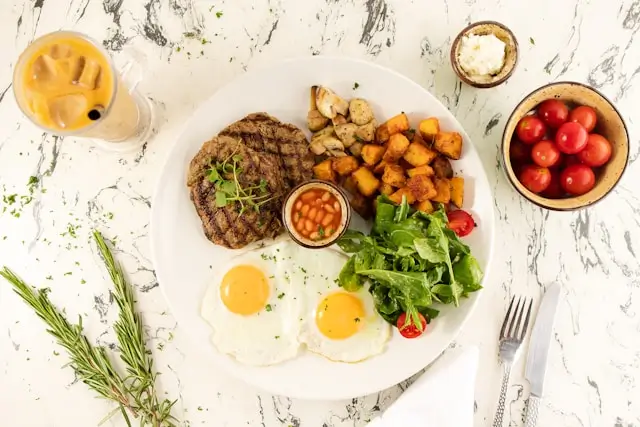
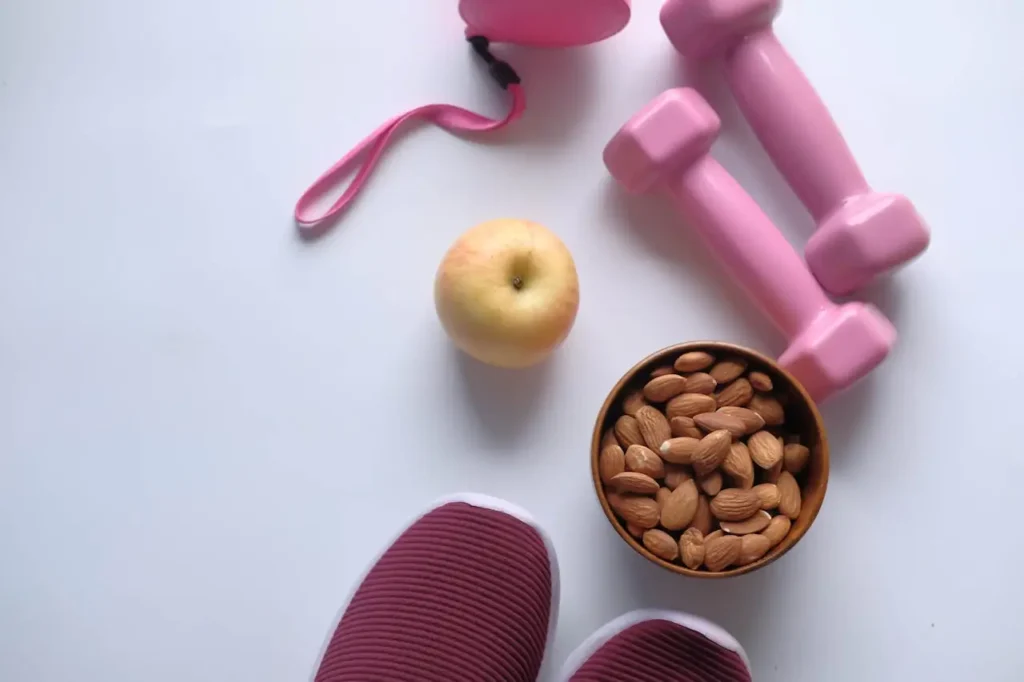
Image by Huzaifa Bukhari on Unsplash
There is no single ideal protein amount that applies to everyone trying to manage weight. Needs depend on age, body size, activity level, total energy intake, and health status. General population protein guidelines are designed to prevent deficiency, not to optimize body composition during intentional weight loss, which is part of why targets discussed in sports nutrition contexts are often higher than standard recommendations.
The International Society of Sports Nutrition suggests that physically active adults aiming to preserve muscle during weight loss often benefit from higher protein intakes than the general Recommended Dietary Allowance (RDA), commonly in the range of 1.6–2.2g/kg (roughly 0.7–1g/lb) of body weight daily. The exact amount within that range depends on training volume, body composition goals, total calorie intake, and individual health status; it isn’t a fixed number that applies uniformly.
Higher-protein diets may be useful during weight loss, particularly when combined with resistance training, because they can help preserve lean mass. More protein is not automatically better beyond meeting these ranges, and very high intakes provide diminishing returns for most goals.
A Note on Kidney Health
The National Kidney Foundation notes that protein needs vary according to age, sex, and overall health status, and that current research on healthy adults with normal kidney function has not established that higher protein intake within commonly discussed ranges causes kidney damage. This is genuinely useful to know, since outdated caution persists in some general health advice.
However, this does not apply to everyone: people with pre-existing chronic kidney disease often need individualized, and sometimes lower, protein targets as part of managing their condition. If you have any kidney, liver, or metabolic condition, speak with a healthcare professional or registered dietitian before substantially increasing your protein intake. This isn’t a general population question at that point, it’s an individualized medical one.
Distributing Protein Across the Day
Spreading protein-containing foods across three to four meals is generally considered a practical way to meet daily protein needs, rather than concentrating most protein into a single meal. Protein intake within a few hours of resistance training can support recovery, though the anabolic window is considerably wider than early research suggested total daily protein intake matters more than precise post-workout timing for most people.
High-Protein Foods vs. High-Protein Diets
Choosing protein-rich foods doesn’t necessarily mean following a formal high-protein diet. Many people can improve the nutritional quality of their meals simply by including a protein source alongside vegetables, whole grains, legumes, fruit, or other foods that fit their overall dietary needs without adopting any specific diet label or restrictive framework.
Protein Is Not a Weight-Loss Treatment
Protein is one component of a balanced diet. Eating more of it does not automatically result in weight loss, and high-protein diets aren’t appropriate for everyone. Overall dietary pattern, total energy intake, physical activity, sleep, health conditions, and individual preferences all influence weight management outcomes. Protein is a useful lever within that picture, not a standalone solution.
Related Reading
- Natural Weight Loss Strategies for Sustainable Health
- Intermittent Fasting for Weight Loss: A Beginner’s Guide
- Slow Metabolism Symptoms: Causes, Signs, and Evidence-Based Strategies
Bottom Line
Protein is an important part of a balanced diet and can be particularly useful during weight management, because protein-rich foods support satiety and help preserve lean mass during calorie restriction.
Eating more protein does not guarantee fat loss, and individual protein needs vary considerably. For most people, the practical goal isn’t to maximize protein intake it’s to include appropriate protein sources consistently as part of an overall balanced eating pattern you can actually sustain.
References:
- Westerterp-Plantenga, M.S., et al. Dietary protein, weight loss, and weight maintenance. Annual Review of Nutrition / American Journal of Clinical Nutrition. PubMed
- Higher protein intake during caloric restriction improves diet quality and attenuates loss of lean body mass. PubMed
- International Society of Sports Nutrition Position stand: protein and exercise
- National Kidney Foundation Breaking down dietary protein: what is it?
- National Kidney Foundation CKD diet: how much protein is the right amount?
Medical Disclaimer: This article is for informational and educational purposes only and does not constitute medical advice. People with kidney disease, liver disease, or other conditions affecting protein metabolism should consult a qualified healthcare provider before significantly increasing protein intake, as high-protein diets are not appropriate for everyone.