Key Takeaways
- Anti-aging peptides are signalling molecules that instruct skin cells to produce collagen and repair tissue, rather than simply providing raw materials.
- Copper peptides (GHK-Cu) and Matrixyl have the strongest clinical evidence; Argireline shows moderate evidence for expression lines.
- Results require consistent use over 8–12 weeks minimum no topical peptide produces visible changes within days.
- BPC-157 and Thymosin Beta-4 are experimental research compounds, not regulated supplements; they require medical supervision.
- Peptides work best alongside retinoids and daily SPF, not as replacements for them.
- What Are Anti-Aging Peptides?
- Which Anti-Aging Peptides Actually Work?
- The Three Topical Peptides With Clinical Evidence
- Peptides vs Retinoids: Which Should You Use?
- When Do Peptides Start Working?
- Marketing vs Evidence
- Who Should Consider Peptides?
- How to Choose a Peptide Serum
- Common Peptide Mistakes
- Do Peptides Increase NAD+?
- BPC-157 and Thymosin Beta-4: Research Compounds, Not Supplements
- What Dermatologists Generally Agree On
- How to Use Peptides Practically
- When to See a Dermatologist
- The Bottom Line
- Related Posts
- Frequently Asked Questions
What Are Anti-Aging Peptides?
Anti-aging peptides are short chains of amino acids that signal skin cells to produce collagen, repair damaged tissue, and improve skin firmness. Unlike collagen supplements which provide building blocks, peptides act as biological messengers, instructing fibroblasts to activate repair processes that slow with age. As collagen production declines at roughly 1% per year from the mid-20s, these signalling pathways become less efficient. Well-chosen topical peptides help reinforce them.
This guide covers the peptides with genuine clinical evidence, the research compounds that are frequently overhyped, and how to build a practical approach. For the full anti-aging picture, our evidence-based anti-aging guide covers ingredients, routines, and professional treatments together.
Why Trust This Guide: This article draws on peer-reviewed clinical data and clearly separates well-evidenced topical peptides from experimental research compounds. Safety and regulatory context is included wherever it’s relevant. No specific products are promoted.
Which Anti-Aging Peptides Actually Work?
| Peptide | Evidence Level | Best For |
| GHK-Cu (Copper Peptide) | ⭐⭐⭐⭐⭐ | Collagen production, skin repair, firmness |
| Matrixyl (Palmitoyl Pentapeptide-4) | ⭐⭐⭐⭐☆ | Wrinkle reduction, collagen stimulation |
| Argireline (Acetyl Hexapeptide-3) | ⭐⭐⭐☆☆ | Expression line reduction |
| Thymosin Beta-4 | ⭐⭐☆☆☆ | Tissue healing (experimental only) |
| BPC-157 | ⭐⭐☆☆☆ | Multi-tissue repair (experimental, unregulated) |
The Three Topical Peptides With Clinical Evidence
Copper Peptides (GHK-Cu)
GHK-Cu occurs naturally in human plasma and declines measurably with age. Research published in BioMed Research International summarised multiple peer-reviewed studies showing improvements in skin firmness, reduced wrinkle depth, and improved skin density with consistent topical application. GHK-Cu stimulates both collagen and elastin production, supports wound healing, and provides antioxidant benefits. It is well-tolerated daily in leave-on formulations.
For deeper coverage of how collagen stimulation works from the inside out, our collagen supplement guide covers the parallel mechanism of oral supplementation.
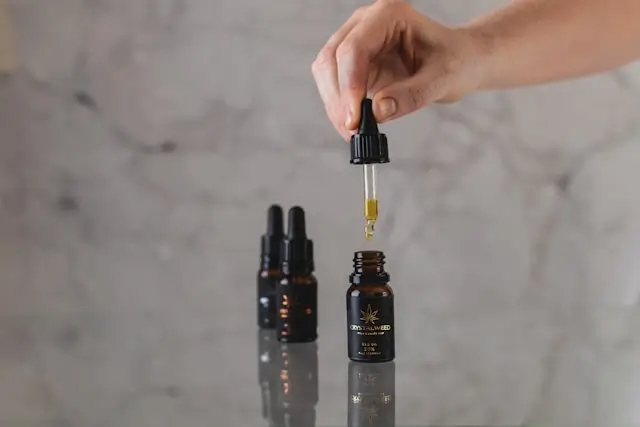
Matrixyl (Palmitoyl Pentapeptide-4)
Matrixyl mimics a collagen fragment, stimulating fibroblasts to produce collagen I, collagen III, and fibronectin. A double-blind clinical study found a 27% reduction in wrinkle volume and 36% reduction in wrinkle depth after two months of consistent application. Matrixyl 3000, a newer formulation, has comparable published data. Well-tolerated across skin types including sensitive skin.
Argireline (Acetyl Hexapeptide-3)
Argireline competes with a protein involved in the neurotransmitter release that causes muscle contraction, modestly reducing the intensity of repetitive facial movements that contribute to expression lines. It is sometimes marketed as a “topical Botox alternative,” which significantly overstates the comparison effects and is considerably more modest than injectable neuromodulators. Effective only in leave-on, high-concentration formulations.
Peptides vs Retinoids: Which Should You Use?
| Retinoids | Topical Peptides | |
| Evidence strength | ⭐⭐⭐⭐⭐ Very strong | ⭐⭐⭐–⭐⭐⭐⭐ Moderate to strong |
| Irritation potential | Moderate to high initially | Minimal |
| Collagen stimulation | Faster, stronger | More gradual |
| Prescription availability | Yes (tretinoin) | No cosmetic products |
| Use during pregnancy | Not recommended | Some may be suitable consult a healthcare professional |
Retinoids and peptides are complementary, not competing. Most dermatologists recommend both: retinoids for their stronger evidence base, peptide formulations to support barrier function and add collagen signalling through a parallel pathway. If you’re new to anti-aging skincare ingredients, starting with one active at a time makes it easier to assess what’s working.
When Do Peptides Start Working?
| Timeframe | Expected Changes |
| Week 1–2 | Improved hydration and skin feel |
| Week 4 | Smoother texture; early improvement in skin tone |
| Week 8 | Early wrinkle reduction; improved firmness beginning |
| Week 12 | More noticeable firmness and wrinkle softening |
| Month 6+ | Maximum visible structural improvement |
These timelines reflect clinical study endpoints. Products abandoned before week 8 have rarely been given a fair assessment.
Marketing vs Evidence
Many peptide products advertise dramatic collagen rebuilding within days. Published trials show improvements occur gradually over 8–12 weeks and remain modest compared to professional procedures. Phrases like “Botox in a bottle” or “instant collagen repair” are not supported by current clinical evidence.
Who Should Consider Peptides?
Well-suited for:
✅ Fine lines and early wrinkles
✅ Gradual loss of skin firmness
✅ Sensitive skin that doesn’t tolerate retinoids well
✅ Adults in their 30s and beyond building a preventive approach
Less likely to satisfy:
❌ Those expecting results comparable to professional treatments
❌ Significant skin laxity or deep structural wrinkles
❌ People not yet using SPF, moisturiser, and a basic skincare routine
How to Choose a Peptide Serum
Look for:
✔ Leave-on serum or moisturiser (not a cleanser)
✔ Named peptides (GHK-Cu, palmitoyl pentapeptide-4) near the top of the ingredient list
✔ Airtight, opaque packaging
✔ Fragrance-free if you have sensitive skin
Avoid:
✘ Botox in a bottle or instant wrinkle eraser claims
✘ Undisclosed peptide complex without named actives
✘ Rinse-off formulations marketed for peptide benefits
Common Peptide Mistakes
- Expecting visible results within one week
- Using peptide cleansers for anti-aging contact time is too brief
- Buying products with unnamed “peptide blends”
- Neglecting daily sunscreen no peptide compensates for UV damage
- Mixing too many actives simultaneously, making it impossible to assess results
- Abandoning a product before the 8-week assessment window
Do Peptides Increase NAD+?
Current evidence is limited. Although NAD+ declines with age and is linked to reduced cellular energy, most clinical research has focused on NMN and nicotinamide riboside dietary precursors rather than peptides themselves. A 2022 randomised trial in Nature Metabolism found NMN supported NAD+ levels in older adults, but functional longevity benefits remain under investigation. No topical peptide has demonstrated clinically significant increases in human NAD+ levels. For now, adequate sleep, exercise, and dietary quality are the most evidence-based lifestyle supports for mitochondrial health.
BPC-157 and Thymosin Beta-4: Research Compounds, Not Supplements
Important regulatory context: In 2022, the FDA clarified that BPC-157 cannot be legally marketed as a dietary supplement in the US. Regulatory status varies by country, and availability online does not indicate regulatory approval products may differ substantially in quality, purity, or labelling.
BPC-157: Animal studies show multi-tissue healing effects. Human evidence is very limited with a small number of published trials and case reports. Safety profile in humans is not well-characterised at this time.

Thymosin Beta-4: Plays a natural role in cell migration and wound healing. Early human clinical trials are ongoing in specific wound contexts. Evidence is promising but insufficient to support broad supplementation.
Anyone considering these compounds should do so only in consultation with a qualified physician, not based on supplement or biohacking community guidance.
What Dermatologists Generally Agree On
Most dermatologists agree on five key points regarding peptides in anti-aging skincare:
- Daily sunscreen has a greater long-term anti-aging effect than any topical peptide.
- Retinoids remain the gold standard for collagen stimulation — peptides complement, not replace them.
- Peptides are best used alongside retinoids and SPF, not as substitutes.
- Improvements require at least 8–12 weeks of consistent use.
- Products with published clinical data on named peptides are preferable to proprietary blends.
How to Use Peptides Practically
- Start with one peptide product in a leave-on formulation; give it 8–12 weeks before adding another
- Use in the morning or evening peptides don’t share the light-sensitivity of vitamin C or retinoids
- Layer under moisturiser for maximum contact time with skin
- Pair with lifestyle fundamentals the gut-skin connection and overall dietary quality directly affect how skin responds to all anti-aging interventions
When to See a Dermatologist
See a dermatologist if:
- You’re considering prescription or compounded peptide formulations
- New or changing skin lesions appear alongside anti-aging concerns
- Topical peptide formulations cause persistent adverse reactions
- You have an autoimmune condition, active cancer, or take immunosuppressant medications
The Bottom Line
Topical peptides represent one of the more credible categories in modern skincare: they work through biological signalling rather than simply moisturising, and the clinical evidence for GHK-Cu and Matrixyl is genuine. They work best as part of a routine that already includes daily SPF, adequate sleep, and consistent nutrition. Used consistently, in proper leave-on formulations, with realistic expectations and an 8–12 week horizon: that is the framework within which peptides actually deliver.
Related Posts
- Anti-Aging Guide: Science-Backed Skincare, Treatments & Daily Habits
- Best Collagen for Skin: What Actually Works for Anti-Aging
- Anti-Aging Skin Care: Ingredients That Actually Work (Backed by Science)
- Gut-Skin Connection: The Science Behind Acne & Digestion
Frequently Asked Questions
Do peptide creams really work?
Yes, for specific well-evidenced peptides used consistently in leave-on formulations. GHK-Cu and Matrixyl have double-blind clinical data showing measurable improvements in wrinkle depth and skin firmness after 8–12 weeks. Results are gradual and modest compared to professional treatments, but real.
Are peptides better than collagen supplements?
They work through different mechanisms and can be complementary. Oral collagen provides amino acid precursors through digestion; topical peptides signal skin cells directly to produce their own collagen. Neither replaces the other, and the evidence base for each is distinct.
Can peptides tighten loose skin?
Topical peptides can improve firmness gradually by stimulating collagen production, but they cannot produce the degree of skin tightening achieved by professional treatments such as radiofrequency or laser. For significant laxity, peptides are a supportive addition rather than a primary intervention.
Can you use peptides every day?
Yes copper peptides, Matrixyl, and Argireline are all suitable for daily use in leave-on formulations. They do not cause the adjustment-period sensitivity associated with retinoids.
Do peptides help mature skin?
Yes and some research suggests that people with more significant collagen depletion may respond more noticeably to peptide stimulation than younger users, since there is more room for improvement. Expectations should still be calibrated: gradual improvement over months, not dramatic transformation.
What’s the best peptide for wrinkles?
GHK-Cu (copper peptide) has the strongest overall evidence base, showing improvements in wrinkle depth, firmness, and skin density. Matrixyl (palmitoyl pentapeptide-4) has the most direct clinical evidence specifically for wrinkle volume and depth reduction. Both are appropriate starting points.
Can peptides be used with niacinamide?
Yes peptides and niacinamide are highly compatible and work well layered together. Both are well-tolerated and target complementary aspects of skin aging: peptides for collagen stimulation, niacinamide for barrier strength, pigmentation, and pore size.
Are peptides better than retinol?
Not better complementary. Retinoids produce faster and stronger collagen stimulation but require a tolerance-building period. Peptides work more gradually with minimal irritation. The most effective approach combines both: retinoids in the evening for their stronger mechanism, peptide-rich formulations to support barrier function through a parallel pathway.
Which peptide has the strongest evidence?
GHK-Cu (copper peptide) has the most extensive evidence base among topical skincare peptides, with multiple peer-reviewed studies and a long history of use. Matrixyl has the strongest direct wrinkle-reduction clinical data from a double-blind controlled trial.
References:
- BioMed Research International GHK-Cu and skin aging: evidence review (Pickart & Margolina, 2018)
- Nature Metabolism NMN supplementation and NAD+ levels in older adults, 2022
- PubMed Matrixyl and wrinkle reduction: double-blind clinical data
- American Academy of Dermatology Peptides in skincare: ingredient overview
- U.S. Food and Drug Administration Regulatory status of BPC-157, 2022
Medical Disclaimer: This article is for informational and educational purposes only and does not constitute medical advice. Research compounds including BPC-157 and Thymosin Beta-4 are not approved dietary supplements in many countries. Consult a qualified healthcare provider before starting any peptide regimen.