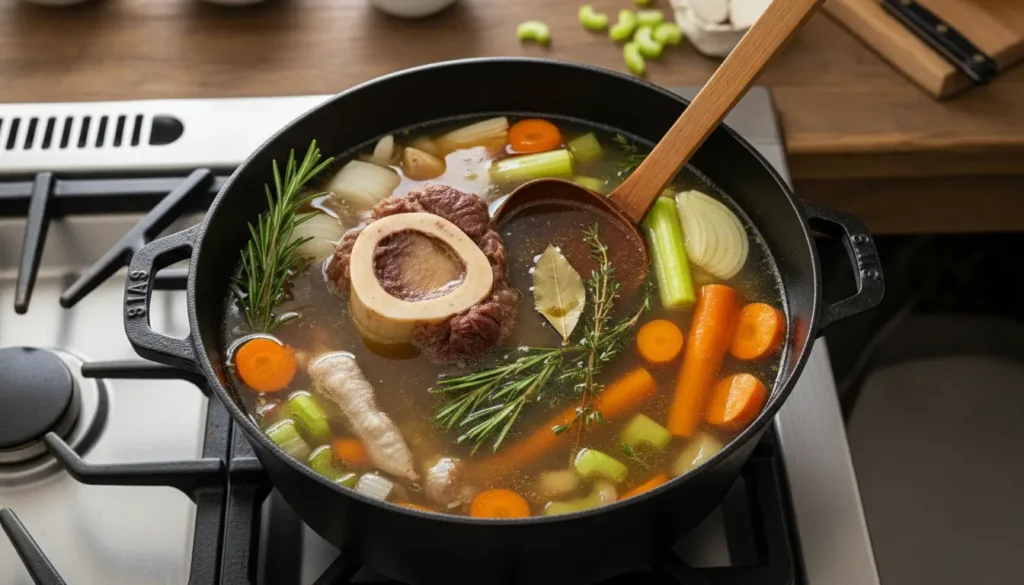
Making bone broth has experienced a remarkable resurgence in recent years as people rediscover this traditional food’s powerful health benefits. This nutrient-dense liquid created by simmering animal bones and connective tissue for extended periods provides natural collagen, minerals, and amino acids that support multiple aspects of health. Unlike the processed broths available in stores, homemade bone broth delivers therapeutic compounds in forms your body can easily absorb and utilize.
The appeal of bone broth extends beyond nutrition trends—it represents a return to ancestral eating patterns that prioritized using the entire animal and extracting maximum nutrition from food. When you simmer bones for 12 to 48 hours, you extract gelatin, collagen, minerals, and other beneficial compounds that modern diets often lack. Whether you’re seeking to improve gut health, support joint function, enhance skin appearance, or simply add more nutrients to your diet, bone broth offers a versatile and affordable solution backed by both traditional wisdom and emerging scientific research.
- Understanding the Nutrients in Bone Broth
- How Bone Broth Supports Gut Health
- Creating the Perfect Bone Broth Recipe for Collagen and Gut Health
- Incorporating Bone Broth Into Your Daily Routine
- Bone Broth Benefits Beyond Gut Health and Natural Collagen
- Selecting Store-Bought Bone Broth Alternatives
- Related Posts
Understanding the Nutrients in Bone Broth
Bone broth contains a unique combination of nutrients that sets it apart from other foods. The long simmering process breaks down bones and connective tissue, releasing compounds that would otherwise remain locked inside these structures. This extraction creates a nutrient-rich liquid that provides building blocks your body uses for repair, maintenance, and optimal function.
Natural Collagen and Gelatin Content
The most notable component of bone broth is natural collagen extracted from bones, cartilage, tendons, and ligaments during the cooking process. As bones simmer, their collagen breaks down into gelatin the substance that makes properly prepared bone broth gel when refrigerated. This gelatin contains the same amino acids found in collagen, particularly glycine, proline, and hydroxyproline, which your body uses to build and repair its own collagen structures.
The amino acid profile in bone broth closely matches what your body needs for collagen synthesis, making it an ideal dietary source of these building blocks.
Collagen for Skin: Science-Backed Benefits for Wrinkles
Mineral and Amino Acid Profile
Beyond collagen, bone broth provides bioavailable minerals extracted from bones during the long cooking process. Calcium, magnesium, phosphorus, and trace minerals leach from bones into the broth, creating a mineral-rich beverage that supports bone health, muscle function, and numerous enzymatic processes. The acidic environment created by adding vinegar to your bone broth enhances this mineral extraction significantly.
The amino acids in bone broth extend beyond those found in collagen. Glutamine supports gut health and immune function. Glycine aids in detoxification and promotes restful sleep. Proline strengthens arterial walls and supports skin structure. Arginine supports wound healing and immune function. This diverse amino acid profile makes bone broth a valuable addition to any diet, particularly for people recovering from illness or managing chronic health conditions.
How Bone Broth Supports Gut Health
The connection between bone broth and gut health has generated significant interest among health practitioners and researchers. The compounds found in properly prepared bone broth address multiple aspects of digestive wellness, making it a valuable therapeutic food for people dealing with various gut issues.
Healing the Intestinal Lining
Gelatin from bone broth helps seal and heal the intestinal lining, which can become damaged and permeable due to stress, medications, processed foods, and infections. This condition, often called leaky gut, allows partially digested food particles and bacterial toxins to enter the bloodstream, triggering inflammation and immune responses throughout the body. The amino acids in bone broth, particularly glycine and glutamine, support the repair of intestinal cells and strengthen the tight junctions between cells that maintain gut barrier integrity.
Supporting Beneficial Gut Bacteria
While bone broth itself doesn’t contain probiotics, it creates an environment that supports beneficial bacteria in your digestive tract. The gelatin in bone broth serves as a prebiotic-like substance that nourishes good bacteria while helping to maintain the mucus layer that protects your intestinal lining. This mucus layer provides a habitat for beneficial microbes and prevents harmful bacteria from directly contacting intestinal cells.
The anti-inflammatory compounds in bone broth also reduce gut inflammation that can disrupt the balance of your microbiome. When inflammation decreases, beneficial bacteria flourish while opportunistic pathogens lose their competitive advantage. Regular consumption of bone broth as part of a gut-healing protocol often helps restore healthy bacterial balance over time.
Improving Nutrient Absorption
A healthy gut lining absorbs nutrients efficiently while blocking toxins and pathogens. When gut damage impairs this selective permeability, nutrient deficiencies can develop even when you’re eating a nutrient-dense diet. The gut-healing properties of bone broth improve the intestinal surface area and function, enhancing your ability to absorb vitamins, minerals, and other nutrients from all the foods you consume.
The gelatin in bone broth also aids digestion by attracting digestive juices to food in your stomach, improving the breakdown of proteins and fats. This enhanced digestion reduces the burden on your intestines and decreases the likelihood of undigested food particles triggering immune reactions or feeding harmful bacteria.
Creating the Perfect Bone Broth Recipe for Collagen and Gut Health
Making bone broth at home ensures you control the quality of ingredients and extraction process, maximizing the nutrients and therapeutic compounds in your final product. The bone broth recipe for collagen and gut health requires minimal ingredients but benefits from attention to detail during preparation.
Selecting Quality Bones and Ingredients
The foundation of nutrient-rich bone broth starts with quality bones from healthy animals. Grass-fed beef bones, pasture-raised chicken carcasses, or wild-caught fish frames provide superior nutrition compared to conventionally raised animal bones. The bones should include a mix of marrow bones for richness, knuckle bones for gelatin, and meaty bones for flavor. Chicken feet and beef knuckles are particularly valuable for their high collagen content.
For a basic bone broth recipe for collagen and gut health, you’ll need:
- 3-4 pounds of bones (beef, chicken, or fish)
- 2 tablespoons apple cider vinegar
- 1 onion, roughly chopped
- 2 carrots, roughly chopped
- 2 celery stalks, roughly chopped
- Fresh herbs like parsley, thyme, or bay leaves
- Filtered water to cover bones by 2 inches
- Salt and pepper to taste
The apple cider vinegar creates an acidic environment that draws minerals from the bones into the broth. Don’t skip this ingredient even though you won’t taste it in the final product.
Cooking Methods and Timing
You can prepare bone broth using several methods, each offering different advantages. A stockpot on the stove provides the traditional approach but requires monitoring to maintain a gentle simmer. Slow cookers offer convenience and consistent low heat perfect for extended cooking times. Pressure cookers like Instant Pots dramatically reduce cooking time while still extracting substantial nutrients, though some traditional enthusiasts argue that longer, slower cooking produces superior results.
For stovetop or slow cooker bone broth, simmer bones for 12-24 hours for chicken and 24-48 hours for beef. Fish bones require only 8-12 hours due to their more delicate structure. The longer cooking time for beef bones allows complete extraction of minerals and collagen from the denser bone structure. Maintain a bare simmer rather than a rolling boil to prevent the broth from becoming cloudy and to preserve delicate nutrients.
Pressure cooker bone broth achieves excellent results in just 3-4 hours due to the high pressure and temperature, which accelerates extraction. While this method saves time, some nutrients may be less bioavailable compared to traditional long-simmering methods. However, the convenience often encourages more frequent bone broth preparation, increasing overall intake.
Maximizing Nutrient Extraction
Several techniques enhance nutrient extraction when making your bone broth recipe for collagen and gut health. Roasting bones before simmering improves flavor and may increase the release of certain compounds. Place bones on a baking sheet and roast at 400°F for 30-45 minutes until browned. This step is optional but recommended for beef bones particularly.
Adding vinegar at the beginning and letting bones soak for 30-60 minutes before heating allows acid to begin breaking down bone structure before cooking begins. Some people add chicken feet or additional gelatin-rich parts halfway through cooking to boost the final gelatin content. Breaking or cutting bones exposes more surface area, accelerating extraction of marrow and minerals.
Incorporating Bone Broth Into Your Daily Routine
Making bone broth provides little benefit if it sits unused in your refrigerator. Developing practical ways to consume bone broth regularly ensures you receive its therapeutic compounds consistently over time.
Simple Ways to Enjoy Bone Broth
The most straightforward approach involves drinking bone broth like tea or coffee. Heat a cup of bone broth, season with sea salt and pepper, and sip it slowly. Many people enjoy bone broth this way as a morning beverage or afternoon pick-me-up. The warm, savory liquid feels comforting and satisfying, particularly during cold weather or when you’re feeling under the weather.
Using bone broth as a cooking liquid adds nutrients to numerous dishes without requiring extra effort. Replace water with bone broth when cooking rice, quinoa, or other grains. Use it as the base for soups, stews, and sauces. Deglaze pans with bone broth when making gravies or pan sauces. These applications incorporate bone broth seamlessly into meals you’re already preparing.
Some people add bone broth to smoothies, though this works best with neutral-flavored bone broth and savory smoothie recipes. Adding a scoop of collagen powder to bone broth creates an even more concentrated source of collagen peptides. You can also use bone broth as the liquid base for braising vegetables or meat, infusing everything with additional nutrients and flavor.
Storage and Preparation Tips
Properly stored bone broth maintains quality and safety for extended periods. Refrigerated bone broth lasts 5-7 days in airtight containers. The layer of fat that solidifies on top acts as a protective seal, so leave it in place until you’re ready to use the broth. Skim off and discard the fat (or save it for cooking) just before using.
Freezing extends bone broth storage to 6 months or longer. Pour broth into ice cube trays for convenient single-serving portions, or use mason jars leaving 2 inches of headspace for expansion. Silicone muffin cups work well for freezing individual portions that pop out easily. Label containers with the date and type of broth to track freshness.
Bone broth concentrates during cooking as water evaporates. Some people intentionally reduce their bone broth to a thick, gelatinous concentrate that takes up less storage space. You can reconstitute concentrated bone broth by adding water when you’re ready to use it. This approach is particularly useful if freezer space is limited.
Bone Broth Benefits Beyond Gut Health and Natural Collagen
While gut health and natural collagen receive the most attention regarding bone broth benefits, this nutrient-dense food supports wellness in numerous other ways that make it valuable for overall health optimization.
Joint and Bone Support
The glucosamine, chondroitin, and collagen in bone broth support joint health by providing the raw materials your body uses to maintain and repair cartilage. Athletes and people with joint pain often report reduced discomfort and improved mobility when consuming bone broth regularly. The anti-inflammatory compounds also help calm joint inflammation that contributes to pain and stiffness.
The bioavailable minerals in bone broth support bone density and strength. While bone broth alone won’t prevent osteoporosis, it contributes valuable minerals in forms your body can readily absorb and utilize for bone building and maintenance. The combination of minerals with collagen provides comprehensive support for skeletal health throughout life.
Immune System Enhancement
The amino acids, minerals, and compounds in bone broth support various aspects of immune function. Glycine regulates immune responses and reduces excessive inflammation. The minerals support white blood cell production and function. Traditional cultures have long used bone broth as a healing food during illness, and modern research confirms that it provides nutrients particularly important during infection and recovery.
The gut health benefits of bone broth indirectly support immunity since approximately 70% of your immune system resides in and around your digestive tract. When gut barrier function improves and inflammation decreases, immune resources can focus on actual threats rather than reacting to food particles and bacterial toxins leaking through a permeable gut lining.
Skin Health and Anti-Aging Benefits
The natural collagen in bone broth provides amino acids your body uses to build skin collagen, supporting firmness, elasticity, and hydration. People who consume bone broth regularly often notice improvements in skin texture, reduction in fine lines, and better overall skin quality. The hydrating properties of bone broth also support skin moisture from within.
For a broader perspective on anti-aging strategies that complement bone broth consumption, explore this complete anti-aging guide that addresses multiple interventions for maintaining youthful appearance and vitality. The amino acid glycine in bone broth also supports detoxification processes that help eliminate toxins that otherwise contribute to accelerated aging.
Sleep Quality and Stress Management
The glycine in bone broth has been shown to promote better sleep quality by lowering core body temperature and calming nervous system activity. Many people report deeper, more restorative sleep when consuming a cup of warm bone broth in the evening. This amino acid also helps buffer stress responses, reducing the physiological impact of daily stressors on your body.
Selecting Store-Bought Bone Broth Alternatives
While homemade bone broth provides optimal nutrition and quality control, store-bought options offer convenience when time or resources are limited. Understanding what to look for helps you select products that deliver genuine benefits rather than glorified flavored water.
Quality Indicators to Look For
Premium bone broth products gel when refrigerated, indicating substantial gelatin content extracted from bones and connective tissue. If a store-bought bone broth remains liquid when cold, it likely contains minimal collagen and gelatin compared to properly made broth. Check the ingredient list for bones or bone extract near the beginning, confirming that bones formed the base rather than just flavoring.
Organic, grass-fed, or pasture-raised designations indicate higher quality source materials. These products typically cost more but provide superior nutrition and avoid the antibiotics, hormones, and questionable feed associated with conventional animal products. Look for brands that specify their cooking time, with longer cooking periods generally producing more nutrient-dense broth.
Avoiding Low-Quality Products
Many products labeled bone broth contain minimal actual bone content, relying instead on flavoring, collagen powder added after cooking, or concentrates that don’t provide the same benefits as traditional bone broth. Avoid products with long ingredient lists full of additives, preservatives, and flavor enhancers. True bone broth requires only bones, water, vegetables, and perhaps vinegar and seasonings.
Price often reflects quality in the bone broth market. Extremely cheap products likely cut corners on ingredient quality, cooking time, or both. However, expensive marketing doesn’t guarantee superior products, so evaluate based on ingredients and gelatin content rather than brand claims alone. Reading reviews from verified purchasers helps identify products that deliver on their promises.
Related Posts
- Collagen for Skin: Science-Backed Benefits for Wrinkles
- Skin Barrier Repair: Essential Tips for Healthy, Resilient Skin
The time invested in preparing bone broth pays dividends through improved digestion, enhanced skin quality, stronger joints, and better overall health. As you incorporate this healing food into your routine, you’re not just following a trend you’re embracing ancestral wisdom validated by modern science.
The beauty of bone broth lies in its simplicity and versatility, making it accessible whether you’re a cooking novice or experienced chef. Start with a single batch, notice how your body responds, and adjust your approach based on your individual needs and preferences. Your bones and your broth will work together to build a healthier, more vibrant you.