Key Takeaways
- The routine comes first, morning takes 5–7 minutes, evening 7–10 minutes.
- SPF every morning is still the highest-impact anti-aging step at any age.
- Add a retinoid in the evening; it’s the most evidence-based active for the changes skin undergoes after 40.
- A richer moisturiser and gentler cleanser are usually the two formulation changes that make the biggest immediate difference.
- Give any new routine 8–12 weeks before assessing results; skin turnover after 40 is slower than it used to be.
Finding the best skincare routine over 40 isn’t about buying more products it’s about adapting your routine to the biological changes that happen as collagen production slows and skin loses moisture. The right skincare routine over 40 focuses on gentle cleansing, daily SPF, targeted anti-aging ingredients, and consistent hydration. This guide explains exactly what to use in the morning and at night, and why each step matters.
Is This Routine Right for You?
This routine is ideal if you:
- Are over 40 or entering perimenopause
- Notice dryness, fine lines, or dull texture that didn’t used to be there
- Want a straightforward routine without ten steps
- Are new to retinoids or looking to build a more evidence-based approach
- Have dry, combination, or sensitive skin responding differently than it did in your 30s
Best Skincare Routine Over 40
Morning
- Gentle cleanser
- Vitamin C serum
- Hyaluronic acid
- Moisturiser with ceramides
- SPF 30+
Night
- Double cleanse
- Retinoid (or bakuchiol for sensitive skin)
- Hyaluronic acid (after retinoid)
- Rich night moisturiser
Morning Skincare Routine Over 40
Cleanser
Use a cream, lotion, or oil-based cleanser not a foaming formula. After 40, sebum production decreases and the skin barrier becomes more sensitive. Harsh foaming cleansers containing sodium lauryl sulfate strip what little natural oil remains and leave skin tight before you’ve even started.
Many women notice that switching from a foaming cleanser to a cream formula reduces that tight, dry feeling within the first week not because it increases collagen, but because it stops removing what the skin needs to stay comfortable. This simple change also makes retinoids easier to tolerate in the evening.
If your skin doesn’t feel oily in the morning, rinsing with lukewarm water (no cleanser) is entirely appropriate.
Vitamin C Serum
Apply 3–4 drops of vitamin C serum (L-ascorbic acid, 10–20%) to the face and neck after cleansing. This is the most important morning antioxidant for skin over 40 it neutralises the free radicals from UV exposure before they break down collagen, helps fade hyperpigmentation that becomes more common in this decade, and supports collagen synthesis as an essential cofactor.
Apply to slightly damp skin, allow 60 seconds to absorb, then continue.
For more on how vitamin C fits alongside other proven actives, our evidence-based anti-aging ingredient guide covers the full picture.
Hyaluronic Acid Serum
Apply HA to damp skin immediately after vitamin C. HA draws moisture from the environment and holds it in the skin surface but needs moisture to work with. In dry or heated environments, mist your face before applying. Follow with moisturiser within 60 seconds to seal it in.
If you skip the moisturiser step after HA, the water it draws in evaporates leaving skin drier than before. The moisturiser is the lid on the bucket.
Moisturiser
Choose a formula with ceramides, glycerin, or niacinamide. After 40, most women need a richer moisturiser than they used in their 30s even those with combination or oily skin. The skin barrier is thinner, water loss is higher, and a more nourishing moisturiser makes a consistent difference in comfort and how well the skin tolerates actives like retinoids.
SPF 30+ Always Last
Apply a quarter teaspoon of broad-spectrum SPF 30 or higher to face and neck, every morning. UV radiation drives approximately 80% of visible facial aging and continues accumulating damage every unprotected day regardless of what treatments you’re using inside. Cloudy days, commutes, and working near windows all count.

This single step has more evidence behind it for preventing visible aging than any ingredient, treatment, or supplement available.
Morning routine at a glance:
Gentle cleanser
→ Vitamin C serum
→ Hyaluronic acid (damp skin)
→ Moisturiser (within 60 seconds)
→ SPF 30+
Night Skincare Routine Over 40
Double Cleanse
Evening cleansing is more important than morning; it removes SPF, makeup, pollution particles, and oxidised sebum that accumulate through the day. A single gentle cleanser doesn’t remove these effectively.
Start with an oil-based cleanser or cleansing balm. Follow with your regular cream or gel cleanser. This adds two minutes and significantly improves how well treatment products absorb afterward.
Retinoid
Retinoids are the most evidence-backed active ingredient for addressing the structural skin changes that accelerate after 40. They increase cell turnover (which slows after 40), stimulate collagen production, improve texture, and fade hyperpigmentation.
If you’re new to retinoids: Start with 0.025–0.05% retinol two nights per week on completely dry skin. Expect a 4–8 week adjustment period with some flaking and sensitivity this is normal and resolves. Increase to three nights per week only after adjustment is complete.
If your skin is too sensitive for retinoids: Bakuchiol is a plant-derived alternative with growing clinical evidence and significantly less irritation. Peptide serums (copper peptides, Matrixyl) support collagen through a gentler parallel mechanism. Our anti-aging peptides guide covers the evidence for each option in detail.
Do not use retinoids on the same evening as AHA exfoliants.
Hyaluronic Acid (on retinoid nights)
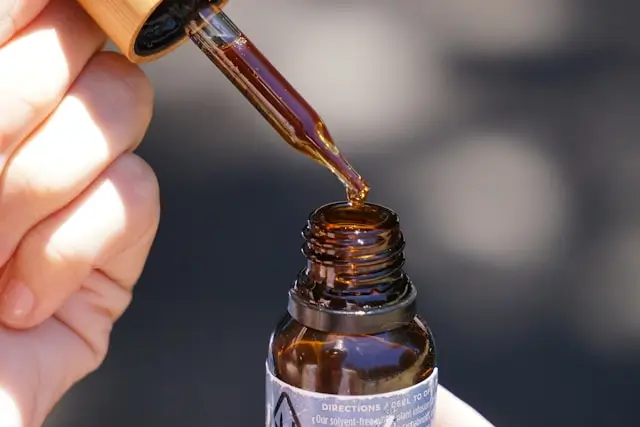
Applying HA after retinoid before the final moisturiser significantly reduces the dryness and irritation that comes with retinoid use. This “sandwich” approach (HA → retinoid → HA → moisturiser) is a commonly used technique that buffers the retinoid without meaningfully reducing its efficacy.
Rich Night Moisturiser
Use a richer night moisturiser than your daytime formula. Look for ceramides (repair barrier function), peptides (collagen signalling), or niacinamide (reduces sensitivity). Apply to the face, neck, and chest.
If skin is very dry, a facial oil (squalane, rosehip) as the final step adds additional occlusion and supports overnight repair.
Evening routine at a glance:
Double cleanse
→ Retinoid (on retinoid nights)
→ HA serum (after retinoid, before moisturiser)
→ Rich night moisturiser
On non-retinoid nights, replace retinoid with:
- Peptide serum (most nights)
- AHA exfoliant 1–2x per week (glycolic or lactic acid, 5–10%)
Key Ingredients for Skin Over 40
| Ingredient | Evidence | Best For | When to Use |
| SPF 30+ | ⭐⭐⭐⭐⭐ | Preventing photoaging | Every morning |
| Retinoids | ⭐⭐⭐⭐⭐ | Collagen, cell turnover, pigmentation | Evening, 2–5x/week |
| Vitamin C | ⭐⭐⭐⭐☆ | Antioxidant, brightening | Morning |
| Niacinamide | ⭐⭐⭐⭐☆ | Barrier, tone, sensitivity | Morning or evening |
| Hyaluronic Acid | ⭐⭐⭐⭐☆ | Hydration, plumping | Morning and evening |
| Peptides | ⭐⭐⭐⭐☆ | Collagen signalling, firming | Evening |
| Ceramides | ⭐⭐⭐⭐☆ | Barrier repair | Moisturiser step |
| AHAs | ⭐⭐⭐⭐☆ | Exfoliation, texture | Evening, 1 -2x/week |
| Bakuchiol | ⭐⭐⭐☆☆ | Gentle retinoid alternative | Evening |
Why Skin Changes After 40
The biology is worth understanding because it explains why specific ingredients work and others don’t. After 40, estrogen levels begin declining, which affects skin in several simultaneous ways.
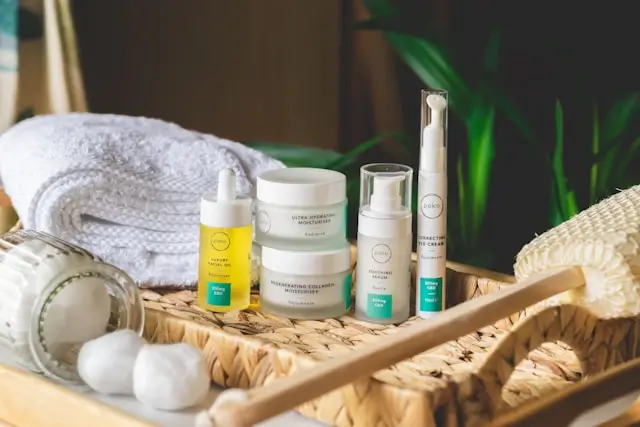
Research published in the American Journal of Clinical Dermatology found that women lose approximately 30% of skin collagen in the first five years after menopause explaining why changes can feel sudden. Sebum production decreases (causing dryness), cell turnover slows from around 28 days to 40–60 days (causing dullness and texture changes), and the skin barrier becomes thinner and more reactive.
This is why the routine above is structured the way it is: gentler cleansing to avoid stripping already-depleted sebum, richer moisturisers to compensate for higher water loss, retinoids to counteract the slowing cell turnover, and peptides to support collagen signalling through a parallel mechanism. Each step addresses a specific biological change not skincare trends.
The Most Common Mistakes After 40
Over-exfoliating. A thinner epidermis tolerates less. Using retinoids, AHAs, and vitamin C simultaneously without building tolerance causes barrier damage. Introduce one active at a time.
Not extending to neck and chest. These areas age at the same rate as the face and receive the same UV exposure. Extend SPF, vitamin C, and moisturiser to both daily.
Underestimating how much SPF is needed. A quarter teaspoon for face and neck. Most people apply a third to a half of that, reducing effective protection substantially.
Switching products before they’ve had time to work. Skin turnover after 40 takes 40–60 days. Products switched before 8 weeks haven’t had a fair trial.
Related Posts
- Anti-Aging Skin Care: Ingredients That Actually Work (Backed by Science)
- Anti-Aging Peptides: Benefits, Safety & What Science Really Says
- Best Collagen for Skin: What Actually Works for Anti-Aging
Frequently Asked Questions
How long before a new routine shows results after 40?
Hydration improvements are noticeable within days. Texture changes from exfoliation within two to four weeks. Retinoid benefits fine line reduction, and improved firmness typically requires 8–12 weeks of consistent use. Pigmentation takes three to six months. The slower cell turnover after 40 is why patience matters more here than at any earlier age.
Is retinol safe to use every night after 40?
Not immediately the adjustment period requires starting slowly. Begin at two nights per week, allow 4–8 weeks for skin to adapt, then increase frequency. Even once established, alternating with peptide or niacinamide serums on off-nights reduces the cumulative irritation risk. Most women with adjusted skin use retinoids three to five nights per week long-term.
Can skincare reverse aging after 40?
Partially. Consistent use of retinoids, vitamin C, and daily SPF measurably slows further visible aging and produces genuine improvement in texture, tone, and fine lines. Significant volume loss, deep laxity, and structural changes require professional intervention if correction is desired. The most honest framing: a good routine makes your skin look and behave the best it can at its current age.
What’s the single most important step to add after 40 if I’m starting from nothing?
SPF, if you’re not already using it daily the evidence is unambiguous. If SPF is already established, a retinoid is the most impactful active addition for the structural changes that come with this decade.
Building an effective skincare routine after 40 isn’t about dramatic overhaul, it’s about purposeful adjustment. Gentler cleansing, richer moisturising, a retinoid when your skin is ready, and SPF without exception. These four changes, applied consistently, deliver more improvement than any elaborate 12-step routine used sporadically.
References:
- American Journal of Clinical Dermatology Estrogen, collagen, and postmenopausal skin aging
- Annals of Internal Medicine Daily sunscreen use and skin aging (Hughes et al.)
- British Journal of Dermatology Retinoids and photoaged skin: evidence review
- Journal of Clinical and Aesthetic Dermatology Niacinamide and skin barrier function