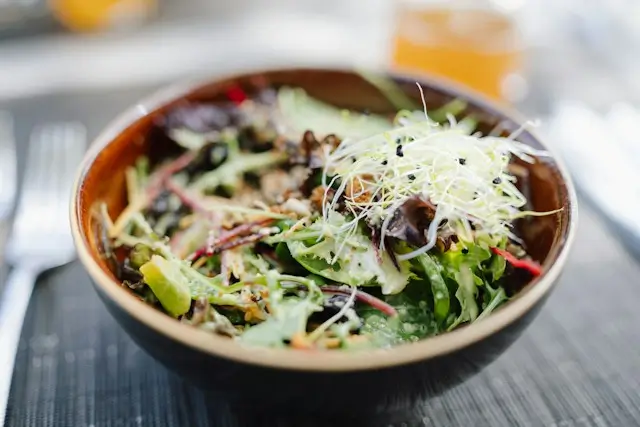
Image by Janesca on Unsplash
Key Takeaways
- DASH was developed and studied specifically to help lower blood pressure, with a particular focus on reducing sodium and increasing potassium-rich foods.
- A standard DASH plan targets 2,300 mg of sodium a day, with a lower-sodium version at 1,500 mg for people who need a bigger reduction.
- Weight loss isn’t DASH’s main design goal, but research links it to modest weight loss, especially when paired with a broader reduction in processed and calorie-dense foods.
The DASH diet is a heart-healthy eating pattern designed to help lower blood pressure. It emphasizes vegetables, fruits, whole grains, beans, nuts, low-fat dairy and lean protein while limiting sodium, sweets and foods high in saturated fat.
How the DASH Diet Works
DASH (Dietary Approaches to Stop Hypertension) was developed through research supported by the National Institutes of Health to test whether a dietary pattern could lower blood pressure through changes in eating habits.
Rather than eliminating entire food groups, it works by shifting the overall balance of what you eat: more vegetables, fruit, whole grains, and low-fat dairy; less sodium, red meat, and added sugar.
The DASH pattern combines lower sodium intake with greater intake of potassium-, calcium-, magnesium- and fiber-rich foods. These features appear to work together to support lower blood pressure, rather than any single nutrient doing the work on its own.
DASH at a Glance
| Goal | What matters most |
| Blood pressure | Lower sodium + the overall DASH food pattern |
| More potassium | Fruits, vegetables, beans, and other potassium-rich foods |
| More fiber | Whole grains, vegetables, fruits, and legumes |
| Easier transition | Start with the highest-sodium foods you eat most often |
| Weight management | Pay attention to portions and total calorie intake |
DASH Diet Food List
Foods to eat, with approximate daily servings (based on a 2,000-calorie plan):
| Food Group | Servings per Day |
| Grains | 6–8 |
| Vegetables | 4–5 |
| Fruits | 4–5 |
| Low-fat or fat-free dairy | 2–3 |
| Lean meat, poultry, and fish | 6 or fewer |
| Nuts, seeds, and legumes | 4–5 per week |
| Fats and oils | 2–3 |
| Sweets and added sugars | 5 or fewer per week |
Most grain servings should come from whole grains such as brown rice, whole-wheat bread, or oats rather than refined grains.
Foods to limit:
Foods to limit on DASH include:
- High-sodium packaged and processed foods (canned soups, deli meats, frozen meals)
- Fatty cuts of red meat
- Full-fat dairy
- Sugar-sweetened beverages and sweets
- Foods high in saturated or trans fat
Because DASH targets sodium specifically, checking nutrition labels matters more here than in many other eating patterns; sodium hides in bread, sauces, and canned foods that don’t necessarily taste salty.
How Much Sodium Can You Eat on DASH?
The standard DASH plan targets 2,300 mg of sodium per day, the general upper limit recommended for most adults.
A lower-sodium DASH plan limits sodium to 1,500 mg per day and can lower blood pressure further than the 2,300 mg version. The 2025 AHA/ACC hypertension guideline echoes this, advising adults to move toward the lower 1,500 mg target when it’s appropriate for them.
Which version makes sense for you is worth discussing with a doctor, especially if you already have a diagnosed condition.
7-Day DASH Diet Meal Plan
Here’s what a full week on DASH might look like, built around the servings table above. Treat it as a template rather than a fixed script swap in proteins, grains, or produce you actually enjoy, and season with herbs, spices, citrus, or vinegar instead of salt.
| Day | Breakfast | Lunch | Dinner | Snack |
| 1 | Oatmeal with berries, walnuts, and low-fat milk | Grilled chicken salad, mixed greens, olive-oil dressing | Baked salmon, quinoa, steamed broccoli | Unsalted almonds and an apple |
| 2 | Whole-wheat toast with avocado and a boiled egg | Low-sodium turkey and vegetable wrap | Stir-fried tofu with brown rice and mixed vegetables | Low-fat yogurt with sliced banana |
| 3 | Plain low-fat Greek yogurt with oats and fresh fruit | Lentil soup (low-sodium) with a side salad | Grilled chicken breast, sweet potato, green beans | Carrot and cucumber sticks with hummus |
| 4 | Spinach, banana, and oat smoothie with low-fat milk | Quinoa bowl with chickpeas, cucumber, tomato, and olive oil | Baked cod, brown rice, roasted zucchini | Unsalted mixed nuts |
| 5 | Whole-grain cereal with low-fat milk and berries | Grilled shrimp salad with Low-sodium whole-grain crackers | Low-sodium turkey chili with steamed vegetables | Sliced pear with a few walnuts |
| 6 | Scrambled eggs with spinach and whole-wheat toast | Black bean and vegetable bowl over brown rice | Grilled lean steak, roasted potatoes, asparagus | Low-fat cottage cheese with pineapple |
| 7 | Overnight oats with chia seeds and mixed berries | Mediterranean-style salad with grilled chicken and a light drizzle of olive oil | Baked skinless chicken thighs, farro, sautéed kale | Fresh fruit and unsalted nuts |
A few notes on using this plan:
- Portions should match the servings table above, adjusted for your own calorie needs; this menu isn’t calorie-specific.
- Where a recipe calls for canned beans, broth, or sauces, choose low-sodium or no-salt-added versions, or rinse canned beans before using them.
- Repeating proteins or produce across days is fine; DASH is a pattern to sustain, not a checklist to complete perfectly.
Does DASH Help With Weight Loss?
DASH wasn’t designed primarily as a weight-loss diet, but studies suggest it can produce modest reductions in body weight, particularly when calorie intake is also reduced.
One meta-analysis of randomized controlled trials found that adults following DASH lost about 1.4 kg (roughly 3 lbs) more than control groups over 8–24 weeks, along with small reductions in BMI and waist circumference.
Its emphasis on vegetables, fruits, whole grains, and other nutrient-dense foods can also support a healthier overall eating pattern, even in cases where weight loss isn’t the main goal.
Evidence for Blood Pressure and Heart Health
DASH has one of the more directly tested evidence bases among dietary patterns. The original NIH-funded trial found that the DASH eating pattern lowered blood pressure within weeks, and a follow-up trial (DASH-Sodium) showed that combining the pattern with sodium reduction produced an even larger effect.
This evidence base is part of why the 2025 AHA/ACC hypertension guideline specifically names DASH as a recommended heart-healthy eating pattern for preventing and managing high blood pressure.
More recent research adds some useful nuance. A 2026 systematic review and meta-analysis comparing DASH with other structured dietary interventions found that DASH wasn’t statistically superior to alternative diets for blood pressure reduction specifically, although it did show consistent benefits across several cardiometabolic markers; the researchers also noted that overall certainty of evidence was low and the included studies varied widely.
That doesn’t undercut DASH’s track record; it remains one of the more rigorously studied dietary patterns for blood pressure but it’s a fair reminder that several well-designed eating patterns, not DASH alone, can support healthy blood pressure.
Who Should Be Cautious
For most people with healthy kidney function, the extra potassium in a DASH-style diet isn’t considered a health risk; it’s actually part of what makes the pattern effective. Still, a few groups should get individualized guidance before starting DASH:
- People with kidney disease, since DASH is relatively high in potassium and kidneys affected by disease may not process it as efficiently
- People taking blood-pressure medications or diuretics, since some of these drugs change how the body handles potassium
- Anyone already following a restricted-potassium or restricted-sodium diet prescribed by a doctor
People taking blood-pressure medications should discuss any major dietary change with their healthcare professional, particularly if they also have kidney disease or take medications that can affect potassium levels [8].
DASH vs. Mediterranean Diet
DASH and Mediterranean share a lot of overall both emphasize vegetables, fruit, whole grains, and lean protein.
The main difference is focus: DASH was specifically designed and tested to lower blood pressure through sodium reduction, while Mediterranean is a broader dietary pattern built around unsaturated fats (particularly olive oil), with extensive evidence for cardiovascular health and other long-term health outcomes.
If blood pressure is your main concern, DASH’s sodium framework is more targeted; for general heart health, Detoxoz’s Mediterranean diet guide covers the broader pattern in depth. For a wider comparison across diets, see how to choose the right diet for you.
How to Start
- Start by tracking your current sodium intake for a few days to see where it’s coming from, packaged and restaurant foods are often the biggest sources.
- Add one or two extra servings of vegetables or fruit to meals you already eat, rather than overhauling every meal at once.
- Swap high-sodium staples (canned soups, deli meats, salty snacks) for lower-sodium or fresh alternatives.
- Build meals around the servings table above as a general guide, adjusting for your own calorie needs.
- Check in with a doctor if you’re on blood pressure medication or have a condition that affects potassium or sodium levels.
Related reading:
Best Diet for You: How to Choose the Right One
Paleo Diet for Beginners: What to Eat, What to Avoid & How It Works
FAQ
Is the DASH diet hard to follow?
DASH doesn’t eliminate entire food groups, which makes it more flexible day-to-day than more restrictive diets. The main adjustment for most people is paying closer attention to sodium in packaged and restaurant foods.
Can you lose weight on the DASH diet?
Yes. Research suggests DASH can produce modest weight loss, particularly when calorie intake is also reduced. However, DASH was designed primarily around cardiovascular and blood-pressure health rather than weight loss.
What’s the difference between DASH and Mediterranean diets?
DASH was built and tested specifically to lower blood pressure through sodium reduction, while Mediterranean is a broader pattern with more emphasis on unsaturated fats and a large evidence base for cardiovascular health.
References
- Appel LJ, et al. A Clinical Trial of the Effects of Dietary Patterns on Blood Pressure. New England Journal of Medicine. 1997.
- Sacks FM, et al. Effects on Blood Pressure of Reduced Dietary Sodium and the DASH Diet. New England Journal of Medicine. 2001.
- National Heart, Lung, and Blood Institute (NIH). DASH Eating Plan.
- Valenzuela-Fuenzalida JJ, et al. Effectiveness of the DASH diet versus alternative dietary interventions for hypertension management: A systematic review and meta-analysis. Current Problems in Cardiology. 2026.
- Soltani S, et al. The effect of the DASH diet on weight and body composition in adults: a systematic review and meta-analysis of randomized controlled clinical trials. Obesity Reviews. 2016.