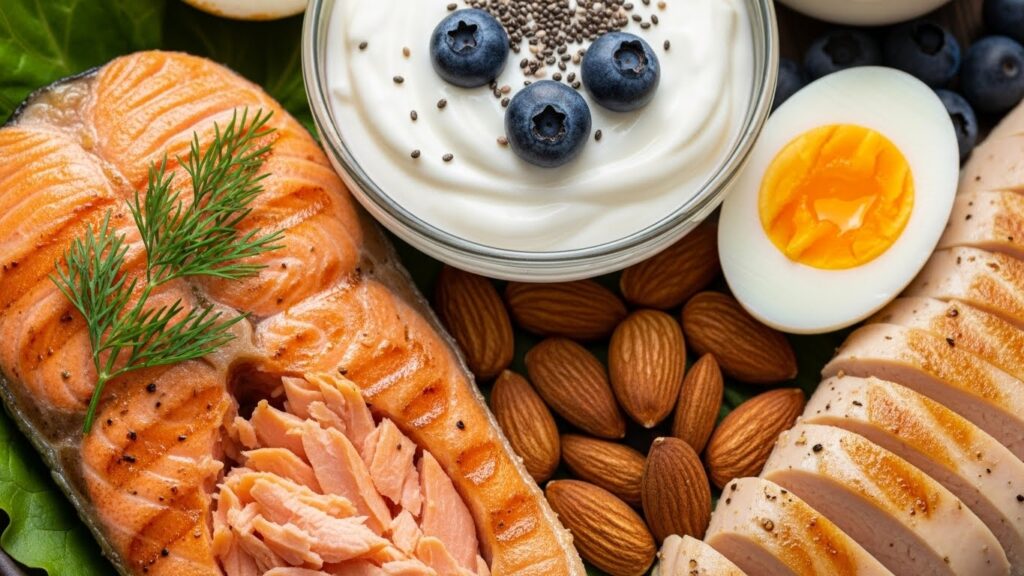
High protein foods are the single most powerful tool you have for transforming your body composition, controlling hunger, and accelerating fat loss. If you’re eating the same calories but struggling with constant hunger, muscle loss, or a metabolism that feels stuck in neutral, inadequate protein is probably the culprit. Most people eat nowhere near enough protein to support optimal body function, let alone fat burning.
Here’s what happens when you prioritize protein: your metabolism increases because protein requires more energy to digest than carbs or fats. Your hunger decreases because protein triggers satiety hormones that keep you satisfied for hours. Your muscle mass is preserved or even built during weight loss, preventing the metabolic slowdown that sabotages most diets. These aren’t small effects—they’re game-changers that make the difference between struggling and succeeding.
The best high protein snacks for weight loss aren’t exotic or expensive. You’re looking for convenient options providing 15-30 grams of protein that you can grab when hunger strikes. The right snacks prevent the desperation that leads to poor food choices while keeping your protein intake high enough to support fat burning throughout the day.
Why High Protein Foods Accelerate Weight Loss
Protein stands apart from other macronutrients in how dramatically it influences body composition, metabolism, and appetite. Understanding these mechanisms helps you appreciate why protein prioritization produces results that seem disproportionate to the relatively simple dietary change.
The Thermic Effect Advantage
Your body burns calories digesting food this is called the thermic effect. Protein has the highest thermic effect of all macronutrients, requiring 20-30% of its calories just for digestion and processing. Eat 100 calories of protein and only 70-80 become available for your body to use.
Research demonstrates that high protein diets increase 24-hour energy expenditure by 80-100 calories daily compared to lower protein intakes. This metabolic advantage accumulates significantly over weeks and months without requiring additional exercise or activity.
Carbohydrates have a thermic effect of 5-10%, while fats require only 0-3% of their calories for processing. This massive difference means that replacing some carbs and fats with high protein foods automatically increases daily calorie burn without changing portion sizes or total calories.
Muscle Preservation During Calorie Deficits
When you lose weight, you’re always losing some combination of fat and muscle. The ratio depends heavily on protein intake and resistance training. Inadequate protein during calorie restriction can result in 30-40% of weight lost coming from muscle rather than fat.
This matters enormously because muscle is metabolically active tissue. Every pound of muscle burns approximately 6 calories daily at rest, while fat burns only 2 calories. Lose 10 pounds of muscle during weight loss and your metabolism drops by 40+ calories daily—making weight regain nearly inevitable once you return to normal eating.
High protein foods preserve muscle mass during weight loss, ensuring that nearly all weight lost comes from fat stores. This maintains your metabolic rate, making it easier to lose weight initially and keep it off long-term.
Satiety and Hunger Control
Protein triggers the release of satiety hormones like peptide YY and GLP-1 while suppressing ghrelin, the hunger hormone. This hormonal response creates genuine fullness that lasts hours, not the temporary satisfaction followed by cravings that carbohydrate-heavy meals provide.
Studies consistently show that people eating high protein meals consume 200-400 fewer calories daily without consciously restricting. You’re simply less hungry, think about food less often, and feel satisfied with smaller portions. This natural appetite suppression makes adhering to a calorie deficit dramatically easier.
For comprehensive strategies that work synergistically with high protein intake, exploring natural weight loss strategies for sustainable health provides evidence-based approaches to lasting transformation.
The Best High Protein Foods for Every Meal
Knowing which high protein foods provide the most bang for your buck helps you build meals and snacks that support your goals without requiring constant meal prep or expensive specialty products.
Animal-Based Protein Sources
Chicken breast leads the pack with approximately 31 grams of protein per 100 grams and minimal fat. It’s versatile, affordable, and available everywhere. The bland reputation comes from poor preparation—properly seasoned and cooked, chicken becomes delicious and satisfying.
Lean beef provides 26-30 grams of protein per 100 grams while delivering iron, zinc, and vitamin B12 that many people lack. Choose cuts like sirloin, tenderloin, or 90% lean ground beef. The saturated fat content isn’t problematic in moderation despite outdated dietary guidelines suggesting otherwise.
Fish and seafood offer exceptional protein density with added omega-3 fatty acids that reduce inflammation and support metabolic health. Salmon, tuna, cod, shrimp, and tilapia all provide 20-25 grams of protein per 100 grams. Canned fish works perfectly for convenient, affordable protein.
Eggs deliver 6-7 grams of complete protein each along with essential nutrients found primarily in the yolk. The cholesterol concern that made people eat only egg whites has been thoroughly debunked—whole eggs are among the most nutritious high protein foods available.
Greek yogurt provides 10-15 grams of protein per serving depending on brand and type. Choose plain varieties and add your own fruit rather than buying pre-sweetened versions loaded with added sugar that undermines your goals.
Plant-Based Protein Options
Legumes—including lentils, chickpeas, black beans, and kidney beans—provide 15-18 grams of protein per cooked cup along with substantial fiber. They’re affordable, shelf-stable, and incredibly versatile across different cuisines.
Tofu and tempeh offer 15-20 grams of protein per serving while absorbing flavors beautifully. These soy products provide complete protein profiles rare among plant sources, making them excellent choices for vegetarians and vegans.
Quinoa is unique among grains by providing complete protein—all nine essential amino acids. One cooked cup delivers 8 grams of protein plus fiber and minerals. It works as a base for bowls, side dish, or even breakfast porridge.
Edamame provides 17 grams of protein per cup while being convenient as a snack or meal addition. These young soybeans require minimal preparation—just steam or boil briefly and sprinkle with salt.
Protein-Rich Dairy Products
Cottage cheese deserves special mention with 25-30 grams of protein per cup at minimal calories. The texture that some people dislike can be overcome by blending it into smoothies or using it as a base for savory dips.
Part-skim mozzarella, cheddar, and Swiss cheese provide 6-8 grams of protein per ounce. While calorically dense due to fat content, cheese adds flavor and satisfaction that makes meals more enjoyable and sustainable long-term.
Milk offers 8 grams of protein per cup whether you choose whole, 2%, or skim. The liquid form makes it convenient for post-workout recovery or adding protein to smoothies and oatmeal.
Creating High Protein Meals That Actually Satisfy
Knowing which high protein foods to eat matters less than actually incorporating them into meals you’ll consistently prepare and enjoy. Theoretical perfect meals you never make don’t help you reach goals.
Breakfast Protein Strategies
Start your day with 30-40 grams of protein to control hunger and reduce cravings throughout the day. This might seem like a lot compared to typical breakfast, but it makes dramatic differences in satiety and total daily calorie intake.
Easy high-protein breakfast options:
- 3-4 eggs scrambled with vegetables and cheese
- Greek yogurt parfait with protein powder, berries, and nuts
- Protein smoothie with whey or plant protein, banana, and nut butter
- Cottage cheese with fruit and a sprinkle of granola
- Leftover dinner protein with vegetables
The protein smoothie approach works exceptionally well for people who don’t feel hungry in the morning or struggle to eat solid food early. A well-designed smoothie provides 40+ grams of protein with minimal prep time.
Lunch and Dinner Protein Planning
Build meals around a palm-sized (4-6 ounces) portion of high protein foods, then add vegetables and moderate amounts of carbohydrates or fats. This approach ensures adequate protein while leaving room for other foods that make meals enjoyable.
Simple meal formulas:
- Grilled chicken breast with roasted vegetables and quinoa
- Salmon with steamed broccoli and sweet potato
- Lean beef stir-fry with mixed vegetables over brown rice
- Turkey chili loaded with beans and vegetables
- Baked cod with Mediterranean vegetables and whole grain bread
Batch cooking protein sources on weekends makes weeknight meals effortless. Grill several chicken breasts, bake fish fillets, or prepare ground turkey—then combine with fresh or frozen vegetables and quick-cooking grains throughout the week.
Best High Protein Snacks for Weight Loss
Snacking can either support or sabotage weight loss depending entirely on what you’re eating. The best high protein snacks for weight loss provide substantial protein (15+ grams) with relatively few calories, keeping you satisfied between meals without derailing your deficit.
Convenient Portable Options
Beef jerky delivers 10-15 grams of protein per ounce with minimal preparation required. Choose brands with simple ingredients and reasonable sodium levels. The portability makes it perfect for keeping in your car, desk, or gym bag.
Protein bars vary wildly in quality. Look for options providing at least 15 grams of protein with under 200 calories and minimal added sugar. Many bars are essentially candy bars with protein added—read labels carefully.
Hard-boiled eggs prepared in advance provide perfect portable protein. Each egg delivers 6-7 grams, so eat 2-3 for a substantial snack. Prep a dozen at once and keep them refrigerated for grab-and-go convenience.
Protein shakes offer unmatched convenience when you need fast protein. Quality whey or plant-based protein powder mixed with water delivers 20-30 grams of protein in under a minute. For structured approaches combining protein optimization with strategic meal timing, reviewing intermittent fasting for weight loss provides complementary strategies.
Refrigerated Snack Ideas
Greek yogurt with a scoop of protein powder transforms an already high-protein food into a snack providing 25-30 grams of protein. Add berries for flavor and additional nutrients.
Cottage cheese paired with fruit, vegetables, or even savory seasonings offers 20-25 grams of protein per cup. The negative reputation comes from people eating it plain—get creative with additions to make it delicious.
Deli turkey or chicken rolled with cheese and vegetables creates a filling snack with 20+ grams of protein. No cooking required, just assembly that takes 30 seconds.
Tuna or salmon packets mixed with a bit of mayo or Greek yogurt on whole grain crackers provides substantial protein with omega-3 fatty acids. These shelf-stable packets make protein accessible anywhere.
Homemade Protein Snack Options
Protein balls made from protein powder, nut butter, oats, and honey can be prepared in batches and kept refrigerated. Each ball provides 5-8 grams of protein—eat 2-3 for a substantial snack.
Protein muffins or pancakes prepared on weekends provide grab-and-go options for busy mornings or snacks. Use protein powder, oats, eggs, and fruit to create versions delivering 15-20 grams of protein per serving.
If convenience is preventing you from hitting protein targets consistently, quality meal replacement options like this comprehensive nutrition system provide balanced macronutrients including high protein content in formats designed for busy lifestyles.
How Much Protein Do You Actually Need
Protein requirements vary based on body weight, activity level, and goals. General health recommendations severely underestimate needs for people trying to lose fat while maintaining muscle.
Calculating Your Protein Target
For weight loss and body recomposition, aim for 0.8-1 gram of protein per pound of body weight daily. A 180-pound person needs 144-180 grams. This seems high compared to standard recommendations, but research consistently shows superior results at these intakes.
Active individuals and those doing regular resistance training should target the higher end of this range. Sedentary people can use the lower end, though higher intakes still provide benefits for appetite control and metabolism.
Older adults need even more protein—possibly 1-1.2 grams per pound—because age-related muscle loss (sarcopenia) requires additional protein to counteract. The outdated idea that high protein harms kidneys in healthy people has been thoroughly debunked.
Distributing Protein Throughout the Day
Spread protein across 3-4 meals rather than backloading it at dinner. Each meal should contain 25-40 grams of protein to optimize muscle protein synthesis. Your body can utilize more than the 30 grams per meal maximum myth suggests, but distribution throughout the day works better than one massive protein meal.
Post-workout protein matters for recovery, but the anabolic window isn’t as narrow as once believed. Getting adequate total daily protein matters more than precise timing, though having protein within a few hours of training optimizes results.
Frequently Asked Questions
Can you eat too much protein?
For healthy people with normal kidney function, very high protein intakes (up to 2 grams per pound of body weight) appear safe according to current research. However, there’s no additional benefit beyond approximately 1 gram per pound for most goals. Excessive protein simply becomes an expensive calorie source without further advantages.
Do high protein foods make you gain weight?
Not if you’re within appropriate calorie ranges. Protein itself doesn’t cause fat gain—excess calories do. In fact, protein’s high thermic effect and satiety benefits make it the least likely macronutrient to contribute to fat gain when overeating occurs.
What are the best high protein snacks for weight loss?
Greek yogurt, hard-boiled eggs, beef jerky, protein shakes, cottage cheese, and tuna packets provide excellent protein-to-calorie ratios. Choose snacks delivering at least 15 grams of protein to meaningfully impact satiety and daily protein totals.
Is plant-based protein as effective as animal protein?
Animal proteins are generally more bioavailable and provide complete amino acid profiles, making them somewhat more effective gram-for-gram. However, combining different plant proteins or choosing complete plant sources like soy and quinoa provides comparable benefits when total intake is adequate.
Related Posts:
- Natural Weight Loss Strategies for Sustainable Health
- Intermittent Fasting for Weight Loss: A Beginner’s Guide
Prioritizing high protein foods transforms your weight loss journey from constant hunger and willpower battles into manageable adherence with visible results. The metabolic advantages, muscle preservation, and appetite control that adequate protein provides aren’t subtle—they’re the difference between struggling and succeeding.