The keto diet has exploded in popularity because it delivers results that seem almost too good to be true—rapid weight loss, reduced hunger, increased energy, and mental clarity. Unlike traditional low-calorie diets that leave you constantly thinking about food, the keto diet fundamentally changes how your body generates energy, shifting from burning glucose to burning fat for fuel.
Here’s what makes the keto diet different: by drastically reducing carbohydrates to under 50 grams daily (often 20-30 grams), your body enters ketosis—a metabolic state where it produces ketones from fat to fuel your brain and body. This isn’t starvation; it’s metabolic reprogramming that allows efficient fat burning even when you’re eating satisfying amounts of food.
An easy keto diet meal plan for women specifically addresses the unique hormonal considerations, calorie needs, and practical challenges women face when transitioning to this eating pattern. You’re not just following generic macros—you’re adapting keto principles to support female metabolism, energy requirements, and lifestyle realities.
Understanding How the Keto Diet Works
The keto diet operates on principles that seem counterintuitive after decades of low-fat diet messaging. Understanding the science behind ketosis helps you implement the approach correctly and troubleshoot when things aren’t working.
The Metabolic Switch to Ketosis
Your body normally runs on glucose from carbohydrates. When you drastically reduce carbs, glucose stores (glycogen) deplete within 2-3 days. Without its preferred fuel source, your body begins breaking down fat into ketones—an alternative fuel that powers your brain and muscles efficiently.
Ketosis isn’t dangerous it’s a natural metabolic state humans evolved to enter during times when carbohydrate food sources were scarce. Your ancestors regularly entered ketosis during winter months or between successful hunts. The keto diet simply recreates this ancestral metabolic pattern intentionally.
Why Fat Loss Accelerates on Keto
Multiple mechanisms explain why the keto diet produces faster fat loss than calorie-matched higher-carb approaches. Insulin levels drop dramatically when carbs are restricted, allowing stored fat to be released and burned for energy. High insulin blocks fat burning—keeping it low removes this metabolic brake.
Appetite naturally decreases in ketosis. Ketones suppress ghrelin (hunger hormone) while the high fat intake provides genuine satiety that carb-heavy meals never achieve. You eat less without feeling deprived because you’re satisfied with smaller portions.
Protein preservation improves on the keto diet compared to standard calorie restriction. The combination of adequate protein and ketones spares muscle tissue, ensuring that weight lost comes primarily from fat stores rather than metabolically active muscle.
For comprehensive weight loss strategies that complement ketogenic eating, exploring natural weight loss strategies for sustainable health provides evidence-based approaches to lasting transformation.
Creating Your Easy Keto Diet Meal Plan
Building an easy keto diet meal plan for women starts with understanding macronutrient targets and identifying foods that fit within those parameters while providing satisfying, nutrient-dense meals.
Setting Your Keto Macros
The standard keto diet follows these approximate ratios:
- 70-75% of calories from fat
- 20-25% of calories from protein
- 5-10% of calories from carbohydrates
For a 1500-calorie daily intake (appropriate for many women seeking weight loss), this translates to:
- 116-125g fat (1050-1125 calories)
- 75-94g protein (300-375 calories)
- 19-38g carbohydrates (75-150 calories)
These aren’t rigid requirements—individual variation exists based on activity level, metabolic health, and goals. Some women do better with slightly higher protein, while others maintain ketosis with up to 50g daily carbs.
Keto Creator Review – Does It Really Work?
Keto-Friendly Foods to Emphasize
Build meals around these keto staples that provide satisfying nutrition while keeping carbs minimal:
Proteins:
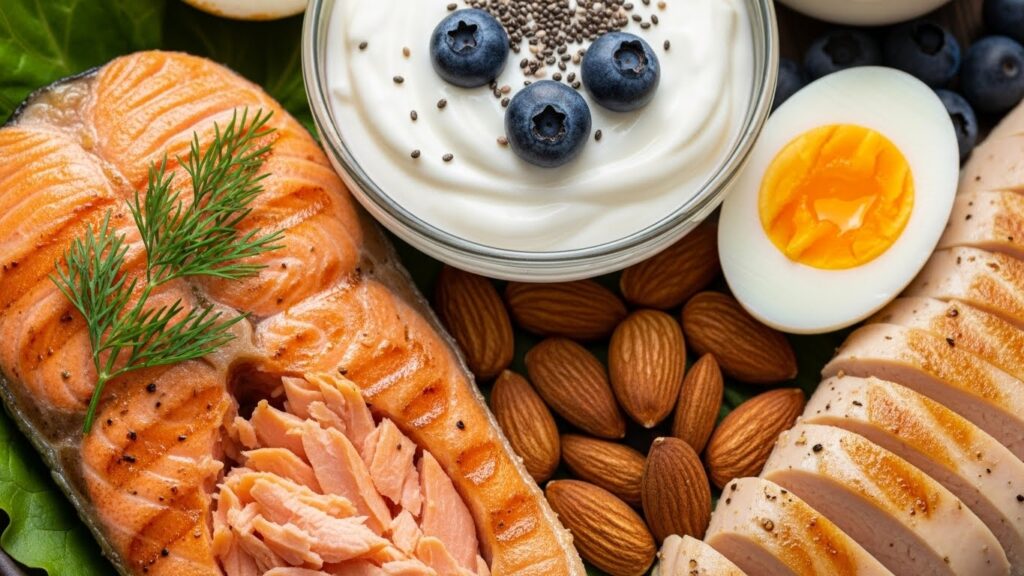
- Fatty fish (salmon, mackerel, sardines)
- Beef, pork, lamb
- Chicken thighs and drumsticks (fattier cuts)
- Eggs (whole eggs, not just whites)
- Full-fat cheese and Greek yogurt
Healthy Fats:
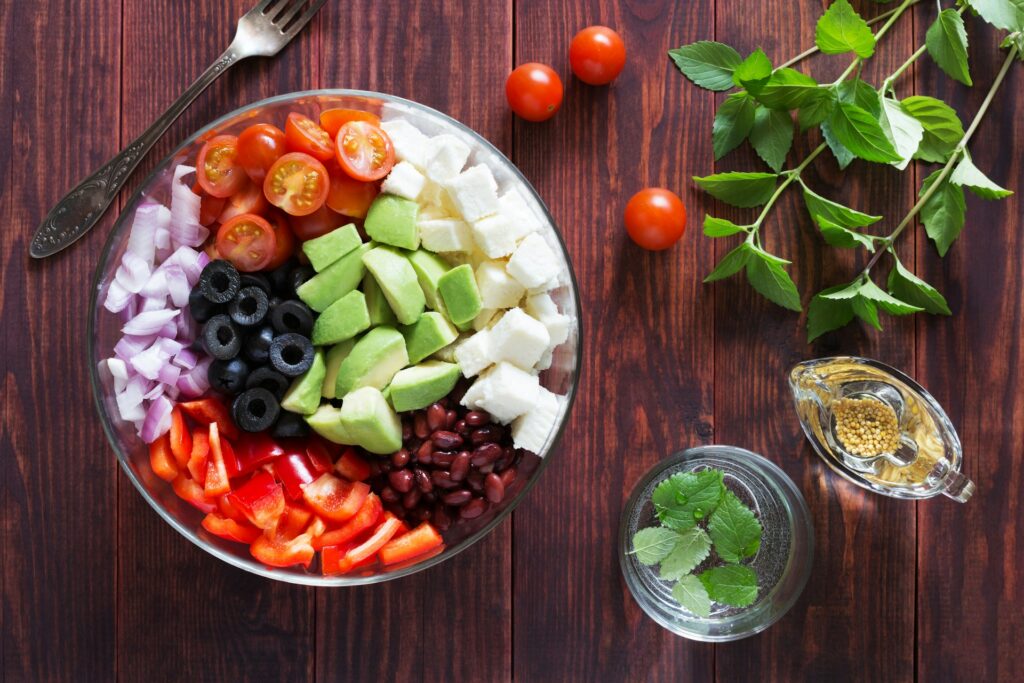
- Avocados and avocado oil
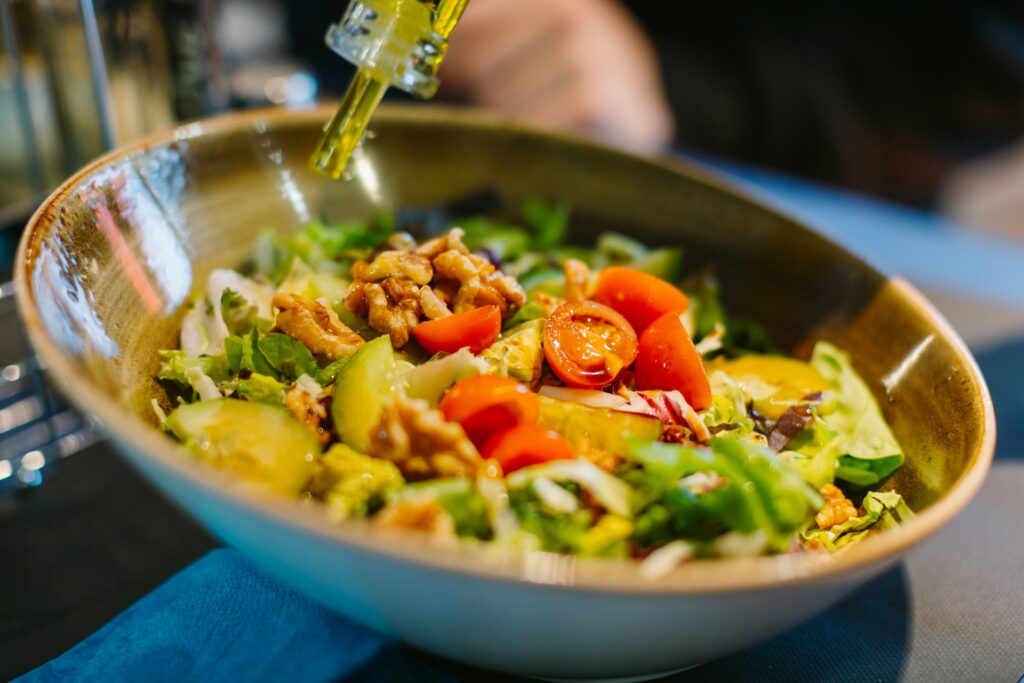
- Olive oil and coconut oil
- Butter and ghee
- Nuts and seeds (almonds, macadamias, walnuts)
- Heavy cream and cream cheese
Low-Carb Vegetables:
- Leafy greens (spinach, kale, lettuce)
- Cruciferous vegetables (broccoli, cauliflower, Brussels sprouts)
- Zucchini, cucumber, celery
- Bell peppers, asparagus, green beans
- Mushrooms and tomatoes (in moderation)
Foods to Eliminate on Keto Diet
Success requires strictly limiting or eliminating high-carb foods that quickly exceed your daily carb allowance:
- Grains (bread, pasta, rice, oats, cereals)
- Sugar and sweetened foods (candy, desserts, soda)
- Most fruits (except small amounts of berries)
- Starchy vegetables (potatoes, corn, peas)
- Legumes (beans, lentils, chickpeas)
- Low-fat or diet products (often higher in carbs)
This elimination seems restrictive initially, but most people adapt within 2-3 weeks as their taste preferences shift and they discover satisfying keto alternatives.
Sample Easy Keto Diet Meal Plan for Women
Having specific meal examples makes implementation dramatically easier than trying to figure everything out from scratch. This sample plan provides approximately 1400-1600 calories with proper keto macros.
Week One Breakfast Options
Day 1-2: Keto Coffee and Eggs
- 2-3 scrambled eggs cooked in butter
- 2 strips of bacon
- 1/2 avocado
- Black coffee with heavy cream
Day 3-4: Greek Yogurt Bowl
- 3/4 cup full-fat Greek yogurt
- 1/4 cup mixed berries
- 2 tablespoons chopped walnuts
- 1 tablespoon coconut oil stirred in
Day 5-7: Veggie Omelet
- 3-egg omelet with cheese, spinach, and mushrooms
- Cooked in olive oil or butter
- Side of sliced tomatoes
Lunch Ideas for Keto Success
Cobb Salad:
- Mixed greens base
- Grilled chicken thigh (skin-on)
- Hard-boiled egg
- Bacon pieces
- Avocado chunks
- Blue cheese crumbles
- Ranch dressing (full-fat)
Keto Bowl:
- Cauliflower rice base
- Ground beef or turkey cooked with taco seasoning
- Sour cream, cheese, lettuce
- Salsa and guacamole
- Jalapeños for flavor
Leftover Dinner:
- Repurpose previous night’s protein and vegetables
- Add extra fat through dressing, butter, or cheese
- Convenient and prevents food waste
Dinner Recipes for the Keto Diet
Salmon with Asparagus:
- 6oz salmon fillet pan-seared in butter
- Roasted asparagus with olive oil
- Side salad with full-fat dressing
- Lemon wedges for flavor
Keto Stir-Fry:
- Chicken or beef strips
- Low-carb vegetables (broccoli, bell peppers, bok choy)
- Cooked in coconut or avocado oil
- Served over cauliflower rice
- Soy sauce or coconut aminos for flavor
Bunless Burger Bowl:
- Grass-fed beef patty
- Lettuce, tomato, onion, pickles
- Cheese, bacon, avocado
- Special sauce (mayo-based)
- Side of roasted Brussels sprouts
Keto Snacks and Treats
Having approved snacks prevents desperation eating that derails ketosis:
- Hard-boiled eggs
- Cheese cubes or string cheese
- Nuts (1oz portions)
- Pork rinds with guacamole
- Celery with almond butter
- Fat bombs (cream cheese and butter-based treats)
- Sugar-free Jello with whipped cream
For additional proven strategies that complement ketogenic eating, reviewing 7 proven weight loss hacks provides practical techniques that enhance results.
Navigating Common Keto Diet Challenges
The keto diet produces excellent results but comes with predictable challenges during the transition period and beyond. Understanding these helps you persevere rather than quitting when difficulties arise.
The Keto Flu Transition
Most people experience keto flu during the first 3-7 days fatigue, headaches, irritability, and brain fog. This isn’t actual illness; it’s your body adapting to burning fat instead of glucose while electrolytes shift.
Minimize symptoms by:
- Increasing sodium intake (5-7g daily during transition)
- Supplementing magnesium and potassium
- Staying well-hydrated (aim for 100oz water daily)
- Getting adequate sleep during adaptation
- Reducing exercise intensity temporarily
Keto flu is temporary. Once you’re fat-adapted (typically week 2-3), energy rebounds dramatically—often higher than before starting.
Social Situations and Dining Out
The keto diet creates challenges at restaurants and social gatherings centered around high-carb foods. Develop strategies rather than avoiding all social eating.
Restaurant tactics:
- Choose meat or fish entrees with vegetable sides
- Ask for extra butter or olive oil
- Substitute salad or vegetables for starches
- Skip bread baskets and desserts
- Order appetizers as meals if entrees come with unavoidable carbs
Social gatherings require planning. Eat beforehand if options will be limited. Bring a keto-friendly dish to share. Focus on proteins and vegetables while skipping obvious carbs.
Supplement Support for Keto Success
While the keto diet provides excellent nutrition, targeted supplements can enhance results, particularly for women managing the transition or experiencing slower progress than expected.
Metabolic support formulas can help optimize fat burning and energy production during ketosis, especially helpful during the adaptation phase when energy dips.
For appetite control during the transition when cravings are strongest, specialized support helps manage hunger while your body adapts to using fat for fuel.
These supplements enhance results but don’t replace proper keto diet fundamentals. Use them strategically as part of a comprehensive approach.
Keto Diet for Women: Special Considerations
Women experience unique challenges and considerations on the keto diet related to hormones, metabolism, and lifestyle factors that generic advice often overlooks.
Hormonal Impacts
The keto diet affects hormones—sometimes positively, occasionally negatively depending on implementation. Women may notice changes in menstrual cycles, particularly during the first 2-3 months as the body adapts.
Some women experience lighter periods or cycle changes temporarily. This usually normalizes within 3 months. If severe disruptions occur, slightly increasing carbs (to 50-75g daily) often resolves issues while maintaining fat-burning benefits.
Thyroid function can slow on very low calorie ketogenic diets. Ensure adequate calories (minimum 1200-1400 for most women) and consider periodic carb refeeds if thyroid symptoms appear.
Pregnancy and Nursing
Strict keto isn’t recommended during pregnancy or nursing without medical supervision. Growing babies and milk production require adequate glucose. Modified lower-carb approaches (75-150g carbs daily) provide better options during these periods.
Long-Term Sustainability
Some women thrive on long-term ketogenic eating. Others do better with cyclical approaches—strict keto for 5-6 days, then higher-carb days 1-2 days weekly. This variation can improve adherence, support hormones, and prevent metabolic adaptation.
Listen to your body rather than forcing strict adherence if you’re experiencing negative symptoms. Flexible approaches that honor your needs produce better long-term results than rigid dogmatism.
Comparing different dietary approaches helps you determine whether keto fits your preferences. Reviewing the Mediterranean diet for weight loss provides perspective on alternative eating patterns.
Frequently Asked Questions
How quickly can I lose weight on the keto diet?
Most people lose 5-10 pounds in the first week (mostly water weight from glycogen depletion). After the initial drop, expect 1-2 pounds weekly fat loss. Total weight loss varies based on starting weight, calorie intake, and metabolic health. Women with PCOS or insulin resistance often see particularly good results.
Can I exercise on the keto diet?
Yes, but expect reduced performance during the 3-4 week adaptation period. Once fat-adapted, endurance often improves while strength training performance typically recovers to pre-keto levels. Some athletes benefit from targeted carbs around workouts (cyclical keto).
Is the keto diet safe long-term?
Research suggests ketogenic diets are safe for most healthy adults when properly implemented with adequate vegetables, variety, and nutrition. Regular blood work monitoring ensures everything remains optimal. Some people thrive long-term on keto while others do better with periodic breaks or cycling approaches.
What’s an easy keto diet meal plan for women who don’t cook much?
Focus on simple meals: rotisserie chicken with bagged salads, deli meat and cheese roll-ups, canned fish with avocado, pre-cooked hard-boiled eggs, frozen vegetables with butter. Meal delivery services offering keto options also simplify implementation for busy lifestyles.
Do I need to count calories on the keto diet?
Initially, focus on getting into ketosis by restricting carbs below 30g daily while eating to satiety. Most people naturally eat fewer calories due to reduced hunger. If weight loss stalls after the first month, tracking calories for 1-2 weeks often reveals hidden issues like excessive nuts or cheese.
Related Posts:
- Natural Weight Loss Strategies for Sustainable Health
- Mediterranean Diet: Lose Weight Naturally & Boost Health
The keto diet offers a powerful tool for rapid fat loss through metabolic reprogramming that shifts your body into fat-burning mode. The initial transition requires adjustment as your body adapts to using ketones instead of glucose, but most women experience dramatically reduced hunger, increased energy, and consistent weight loss once fully adapted.
An easy keto diet meal plan for women simplifies implementation by providing specific food choices, meal examples, and practical strategies for navigating common challenges. You’re not figuring everything out alone—you’re following a structured approach that’s helped millions achieve their weight loss goals.
Whether you choose strict ketogenic eating long-term or use it as a powerful short-term tool before transitioning to more moderate approaches, the keto diet provides results that justify the initial adjustment period for most people willing to commit to the process.