Foto by THLT LCX on Unsplash
Key Takeaways
- Gentle movement may support normal lymphatic circulation through muscle activity and breathing.
- Walking, breathing, mobility work, and water-based exercise have the strongest physiological rationale among these options.
- These exercises support general movement and circulation; they are not a treatment for lymphedema or unexplained swelling.
Lymphatic drainage exercises are gentle movements walking, breathing, mobility work that may support normal lymph fluid circulation. Unlike blood, lymph has no central pump, so muscle activity and breathing play a plausible, though modest, role in helping it move. These ten exercises are commonly used or discussed as gentle movement options for supporting circulation, although the strength of evidence varies considerably between them.
If you sit for long stretches, or you’re just looking for gentle ways to support circulation, these exercises are a practical, low-effort addition to your day. They’re one piece of a broader movement approach see our detox fitness guide for how this fits alongside strength training, walking, and recovery.
Important distinction: Lymphatic drainage exercises here refers to general movement intended to support normal fluid circulation not Manual Lymphatic Drainage (MLD), a specialized therapeutic technique used in lymphedema care by trained professionals.
Before You Start
These exercises are intended for general wellness and gentle movement, not for treating lymphedema or unexplained swelling. If you have diagnosed lymphedema or another circulatory condition, follow the plan provided by your healthcare professional or lymphedema specialist rather than a general exercise list.
- 1. Walking
- 2. Diaphragmatic (Belly) Breathing
- 3. Gentle Full-Body Stretching
- 4. Shoulder and Arm Circles
- 5. Ankle Flexion and Extension
- 6. Rebounding (Mini-Trampoline Exercise)
- 7. Gentle Neck and Jaw Mobility
- 8. Legs-Up-the-Wall Pose
- 9. Swimming or Water Walking
- 10. Light Self-Massage (Not Clinical MLD)
- Evidence Snapshot for the Main Exercise Types
- What These Exercises May and May Not Do
- Common Mistakes People Make With These Exercises
- Who Should Get Medical Advice First
- When to See a Healthcare Professional
- Related reading:
- Frequently Asked Questions
- The Bottom Line
- Editorial & Research Methodology
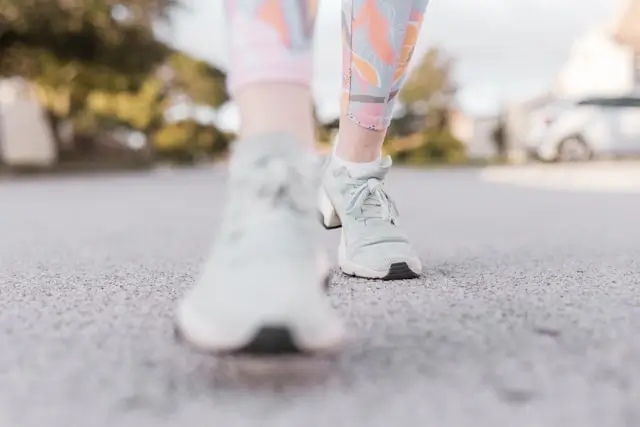
1. Walking
Walking is one of the most consistently supported forms of movement for general circulation. Repeated leg-muscle contraction may support fluid movement through the lower body, particularly during and after prolonged periods of sitting.
Evidence: Reasonable physiological rationale; limited lymphatic-specific clinical evidence. [1] A daily walk of any comfortable length and pace is a practical starting point.
2. Diaphragmatic (Belly) Breathing
The thoracic duct the body’s largest lymphatic vessel passes through the thoracic region near the diaphragm. Deep breathing changes pressure in the chest and abdomen, which may support lymph movement through this central vessel. [1]
Evidence: Limited. The underlying anatomy is well established, though outcome research specific to lymphatic flow is limited. Try 5–10 slow breaths, letting your belly rise and fall, a few times a day.
3. Gentle Full-Body Stretching
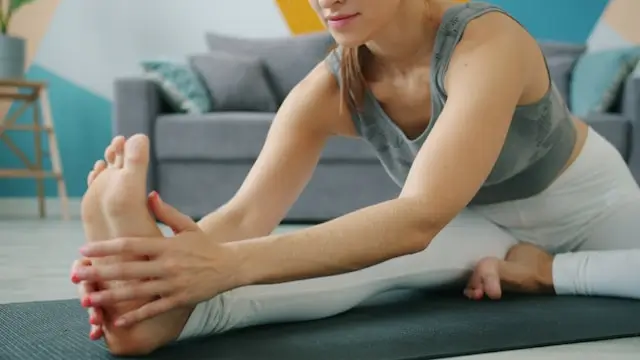
Foto by Vitaly Gariev on Unsplash
Gentle full-body mobility and stretching can involve large muscle groups throughout the body and provide a low-intensity way to stay active.
Evidence: Limited for lymphatic-specific outcomes; the broader benefits of mobility and physical activity are better established.
4. Shoulder and Arm Circles
Simple mobility work such as shoulder rolls and arm circles gently moves the upper body and can help break up prolonged periods of inactivity. In some cases this type of gentle movement is included after surgical procedures affecting the arm, though always under a clinician’s specific direction in that context.
Evidence: Limited for lymphatic-specific benefits; reasonable as general upper-body mobility.
5. Ankle Flexion and Extension
Flexing and extending the ankles pointing toes up and down activates the calf muscles, which contribute to venous return from the lower legs.
Evidence: Limited to moderate physiological rationale for supporting venous and lymphatic return, particularly after prolonged sitting or standing.
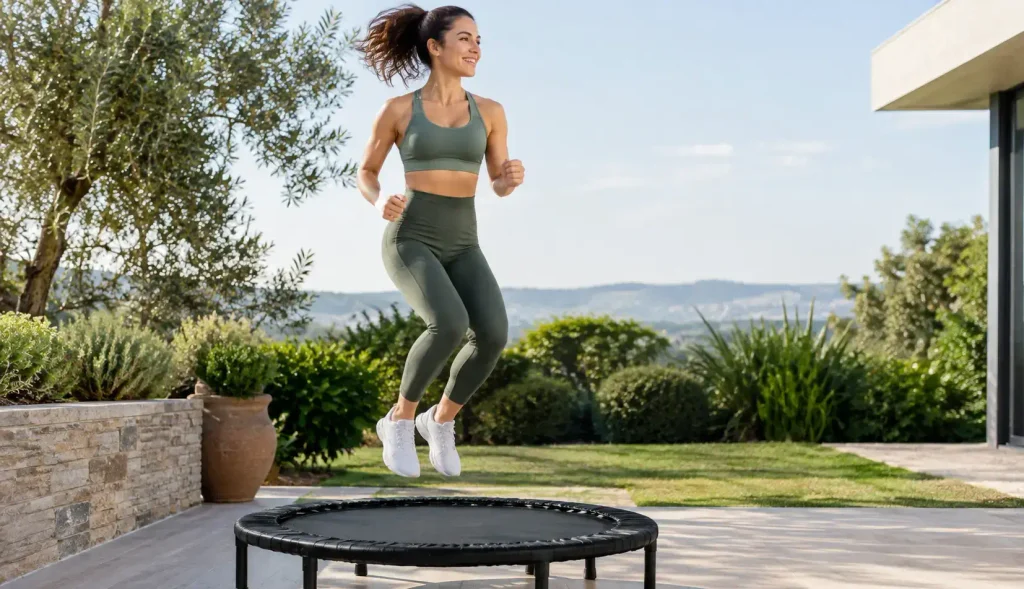
6. Rebounding (Mini-Trampoline Exercise)
Rebounding involves gentle, repeated bouncing on a small trampoline. It provides rhythmic movement and can be a form of low-impact physical activity for people who can use a mini-trampoline safely.
Evidence: Limited. There is insufficient clinical evidence to establish a specific lymphatic benefit or superiority over walking.
7. Gentle Neck and Jaw Mobility
Slow neck rotations and gentle jaw movements provide low-intensity mobility around the neck and face. This is a low-effort addition that takes under a minute.
Evidence: Very limited for lymphatic-specific effects; the main established role is gentle mobility.
8. Legs-Up-the-Wall Pose
This gentle yoga position lying on your back with legs resting up against a wall may temporarily reduce the sensation of heaviness in the legs for some people, although evidence for a specific lymphatic effect is limited. It’s a passive, restful position rather than active exercise.
Evidence: Limited. Commonly recommended in general wellness contexts for leg heaviness after prolonged standing or sitting; direct clinical evidence for lymphatic-specific effects is minimal.
9. Swimming or Water Walking

Foto by Erik Dungan on Unsplash
Moving in water adds hydrostatic pressure the gentle, even pressure water places on the body which may assist fluid movement, alongside the cardiovascular benefit of the activity itself.
Evidence: Limited to moderate; more established for general circulation and cardiovascular fitness than for a specific lymphatic outcome.
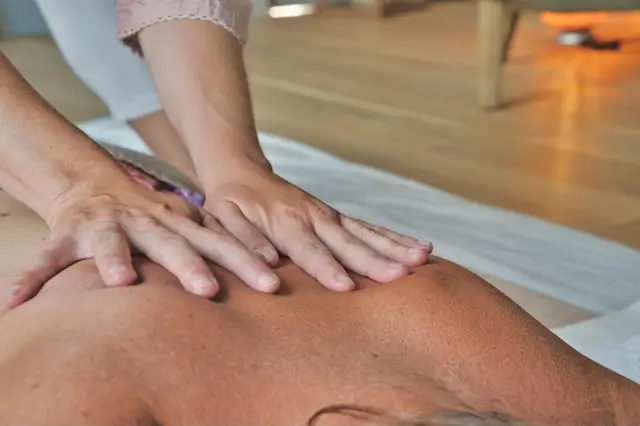
10. Light Self-Massage (Not Clinical MLD)
Gentle self-massage is sometimes promoted in wellness settings, but evidence for self-administered techniques specifically improving lymphatic outcomes is very limited. It should not be presented as equivalent to Manual Lymphatic Drainage (MLD), a specific clinical technique performed by trained therapists for diagnosed conditions.
Evidence: Very limited for the self-administered wellness version. [4] If you’re managing a diagnosed condition, that’s a conversation for a certified lymphedema therapist, not a general self-massage routine.
Evidence Snapshot for the Main Exercise Types
Evidence levels below refer specifically to lymphatic-related outcomes, not to the broader health benefits of physical activity. Walking, for example, has strong evidence for cardiovascular health generally the limited rating here reflects the narrower question of lymphatic-specific benefit. [2][3]
| Exercise Type | Evidence Confidence | Main Limitation |
| Walking | Limited to moderate | Few trials measuring lymphatic-specific outcomes |
| Breathing / mobility work | Limited | Difficult to isolate lymphatic-specific effects |
| Ankle flexion | Limited to moderate | Specific to venous/lymphatic return from legs |
| Rebounding | Limited | Little direct evidence for a specific lymphatic benefit |
| Swimming / water walking | Limited to moderate | More established for general circulation than lymphatic outcome |
| Self-massage (wellness) | Very limited | Not equivalent to clinical MLD [4] |
What These Exercises May and May Not Do
| They May | They May Not |
| Encourage regular movement | Flush toxins from the body |
| Support general circulation | Dissolve body fat |
| Be part of an active daily routine | Treat lymphedema |
| Help break up long periods of sitting | Replace medical assessment of unexplained swelling |
Common Mistakes People Make With These Exercises
- Using excessive pressure during self-massage, assuming harder pressure works better
- Expecting visible results within days rather than approaching this as a long-term habit
- Relying only on passive techniques like brushing instead of incorporating actual movement
- Treating new or unexplained swelling as something to manage with exercise alone
Who Should Get Medical Advice First
If you have diagnosed lymphedema, unexplained persistent swelling, a cardiovascular or circulatory condition, or another significant medical condition, ask a healthcare professional what type and intensity of movement is appropriate before starting a new routine. Don’t use these exercises to self-treat sudden or unexplained swelling.
When to See a Healthcare Professional
Seek prompt medical evaluation for sudden or one-sided swelling, swelling with pain, redness, or warmth, or swelling that doesn’t improve with movement and elevation over a few days. These can signal conditions including blood clots that require urgent evaluation rather than home management.
Related reading:
Frequently Asked Questions
How often should I do lymphatic drainage exercises?
Most guidance suggests regular, gentle movement is more useful than occasional intense sessions. There’s no established lymphatic-specific frequency that applies to everyone build comfortable movement into your day and adjust based on how your body responds.
Is walking good for lymphatic drainage?
Walking has the most consistent physiological rationale of any exercise on this list, since leg muscle activity supports fluid movement in the lower body. Clinical evidence measuring lymphatic-specific outcomes from walking specifically remains limited, but it’s a reasonable, accessible starting point.
Are lymphatic drainage exercises safe to do every day?
For most adults without a diagnosed medical condition, gentle daily movement is generally considered appropriate. If you have lymphedema, a circulatory condition, or another diagnosed health issue, check with your healthcare provider about frequency and intensity first.
The Bottom Line
These exercises are best viewed as gentle movement options that may support normal circulation and lymphatic function. The physiological rationale is stronger for some activities than others, while clinical evidence for lymphatic-specific outcomes remains limited. They can complement an active lifestyle but should not replace professional care for lymphedema or unexplained swelling.
Editorial & Research Methodology
This article was researched using peer-reviewed literature on lymphatic physiology and exercise, alongside clinical guidance from organizations specializing in lymphedema management. Claims distinguish between general wellness movement and medical lymphatic drainage techniques, since the evidence base and appropriate audience differ significantly between the two.
References
- Ohhashi T, Mizuno R, Ikomi F, Kawai Y. Lymph circulation: physiology, pharmacology, and biomechanics. PubMed
- Wittenkamp MC, Christensen J, Vinther A, Juhl CB. The effect of exercise in patients with lower limb lymphedema: a systematic review. Acta Oncologica. 2025. PubMed
- Baumann FT, et al. The effect of exercise for the prevention and treatment of cancer-related lymphedema: a systematic review with meta-analysis. 2022. PubMed
- Huang TW, et al. Manual lymphatic drainage for lymphedema in patients after breast cancer surgery: a systematic review and meta-analysis of randomized controlled trials. 2020. PubMed
- National Lymphedema Network. Position statement: exercise. lymphnet.org.
Medical Disclaimer: This article is for informational and educational purposes only and does not replace professional medical advice. If you have diagnosed lymphedema, unexplained swelling, or a circulatory condition, consult a qualified healthcare provider before starting a new exercise routine.