- Understanding Why Most Weight Loss Attempts Fail
- Hack #1: Master the Protein Priority System
- Hack #2: Use Strategic Meal Timing for Weight Loss
- Hack #3: Optimize Sleep for Automatic Weight Loss
- Hack #4: Leverage Thermogenic Foods and Supplements
- Hack #5: Increase NEAT for Effortless Weight Loss
- Hack #6: Hydration Strategies That Accelerate Weight Loss
- Hack #7: Track Progress Beyond the Scale for Weight Loss Success
- Frequently Asked Questions
Weight loss doesn’t have to be complicated. You’ve probably tried restrictive diets that left you miserable, workout programs you couldn’t maintain, and supplements that promised miracles but delivered nothing. The truth? Sustainable weight loss comes from small, strategic changes that compound over time—not extreme measures that work for three weeks before you quit.
The problem with most weight loss advice is that it ignores reality. Sure, eating chicken and broccoli six times daily while training like an athlete works—if you have infinite willpower and zero social life. But for normal people with jobs, families, and a desire to actually enjoy life, those approaches fail spectacularly. You need healthy weight loss hacks that work with your lifestyle instead of requiring you to abandon it.
These seven strategies produce real results without demanding perfection. They’re backed by research, tested by real people, and designed to create lasting change rather than temporary water weight loss that rebounds the moment you eat a normal meal. Ready to stop spinning your wheels and start seeing actual progress?
Understanding Why Most Weight Loss Attempts Fail
Before jumping into solutions, you need to understand why previous attempts probably failed. It’s not because you lack discipline—it’s because you were fighting against your biology using strategies designed to fail.
The Metabolism Adaptation Problem
Your body is designed for survival, not aesthetics. When you drastically cut calories, your metabolism slows to match reduced intake. Research shows that metabolic adaptation can reduce calorie expenditure by 10-25% during aggressive dieting, making further weight loss nearly impossible without eating dangerously little.
This is why you lose 10 pounds in the first two weeks, then nothing for the next month despite eating even less. Your body has adapted, downshifting non-essential functions to conserve energy. The harder you push, the harder your body fights back.
Hunger Hormones Working Against You
Calorie restriction triggers hormonal changes that increase hunger and reduce satiety. Ghrelin (the hunger hormone) increases while leptin (the satiety hormone) decreases. You’re constantly hungry, thinking about food obsessively, and fighting cravings that feel impossible to resist.
This isn’t weakness it’s biochemistry. Your body interprets calorie restriction as starvation and activates every mechanism available to get you eating again. Willpower works temporarily, but eventually, biology wins.
The All-or-Nothing Mindset
You start Monday perfectly tracking every calorie, hitting the gym, drinking water by the gallon. By Wednesday, life happens. You eat something off plan and decide the day is ruined, so you might as well eat everything. Thursday you’ll start over… or maybe Monday again.
This cycle keeps you trapped. One imperfect meal doesn’t ruin progress, but using it as permission to quit does. The difference between people who succeed at weight loss and those who don’t often comes down to how they handle inevitable imperfection.
Understanding natural weight loss strategies for sustainable health provides the foundation these hacks build upon.
Hack #1: Master the Protein Priority System
Protein is the most important macronutrient for weight loss, yet most people don’t eat nearly enough. Prioritizing protein at every meal creates a cascade of benefits that make fat loss almost inevitable.
Why Protein Accelerates Weight Loss
Protein has the highest thermic effect of all macronutrients—your body burns 20-30% of protein calories just digesting it. Eat 100 calories of protein and only 70-80 become available energy. This metabolic advantage adds up significantly over weeks and months.
Protein also increases satiety more than carbs or fats. Meals high in protein keep you full for hours, reducing snacking and total calorie intake without consciously restricting. You eat less because you’re genuinely satisfied, not white-knuckling through hunger.
High protein intake preserves muscle mass during calorie deficits. Muscle is metabolically active tissue—the more you maintain, the higher your metabolism stays even as you lose weight. This prevents the metabolic slowdown that sabotages most diets.
Implementing the Protein Priority
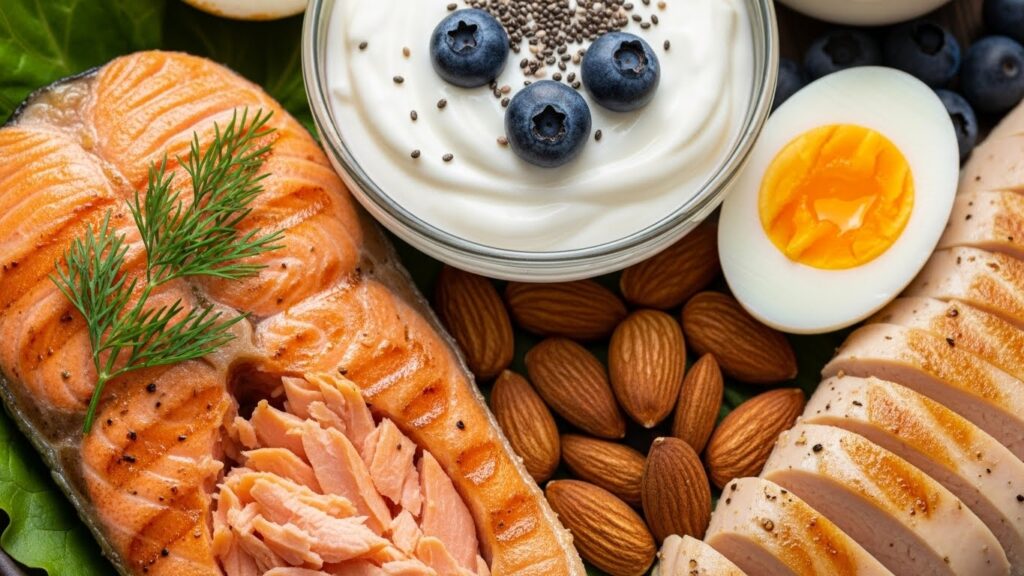
Start every meal by eating your protein source first. Before touching carbs or fats, finish your chicken, fish, eggs, or plant-based protein. This ensures adequate protein intake regardless of what else happens during the meal.
Aim for 0.8-1 gram of protein per pound of body weight daily. A 180-pound person needs 144-180 grams spread across 3-4 meals. This might seem high, but it’s necessary for optimal weight loss results.
Quality protein sources include:
- Chicken breast, turkey, lean beef
- Fish and seafood
- Eggs and egg whites
- Greek yogurt and cottage cheese
- Protein powder supplements
- Legumes and tofu for plant-based options
If meeting protein goals through whole foods proves challenging, consider quality supplements. Products like this metabolism-boosting protein formula provide convenient, highly bioavailable protein that supports both muscle preservation and fat loss.
Hack #2: Use Strategic Meal Timing for Weight Loss
When you eat matters almost as much as what you eat. Strategic meal timing leverages your body’s natural rhythms to optimize fat burning without requiring extreme restriction.
The Fasting Window Advantage
Creating extended periods without food allows insulin levels to drop, enabling your body to access stored fat for energy. You don’t need complicated intermittent fasting protocols—simply extending the overnight fast by delaying breakfast provides significant benefits.
Instead of eating within an hour of waking, wait 4-5 hours. Have your first meal around 11 AM or noon. This creates a natural 14-16 hour fasting window from dinner to your first meal without requiring you to skip lunch or dinner with family.
The first few days feel challenging as your body adjusts to different meal timing. Within a week, most people adapt completely, often reporting increased mental clarity and stable energy throughout the morning despite not eating.
Front-Loading Calories
Eat larger meals earlier in the day when insulin sensitivity is higher and your body processes food more efficiently. Your biggest meal should be breakfast or lunch, not dinner. This aligns with your circadian rhythm, which optimizes nutrient processing during daylight hours.
Research shows that eating the same calories produces more weight loss when consumed earlier versus later. People eating breakfast and lunch lose more weight than those eating lunch and dinner despite identical calorie and macronutrient intake.
For detailed guidance on implementing effective meal timing strategies, exploring intermittent fasting for weight loss provides a structured approach that works for beginners.
Hack #3: Optimize Sleep for Automatic Weight Loss
Poor sleep sabotages weight loss efforts through multiple mechanisms. You can perfect nutrition and training, but inadequate sleep will stall progress regardless of how disciplined you are elsewhere.
The Sleep-Fat Connection
Sleep deprivation increases ghrelin (hunger hormone) while decreasing leptin (satiety hormone). You’re hungrier, less satisfied after eating, and experience intense cravings for high-calorie foods. Studies show that sleep-deprived people consume 300-500 extra calories daily without consciously deciding to eat more.
Poor sleep also elevates cortisol, which promotes fat storage particularly around your midsection. It impairs insulin sensitivity, making your body more likely to store calories as fat rather than using them for energy. Every system involved in weight regulation functions worse when you’re sleep-deprived.
Just one night of poor sleep measurably impacts hunger hormones and food choices. Chronic sleep deprivation creates a hormonal environment that makes weight loss nearly impossible even with perfect nutrition.
Sleep Optimization Strategies
Prioritize 7-9 hours of quality sleep by establishing consistent sleep-wake times. Go to bed and wake at the same time daily, even weekends. Your circadian rhythm responds to consistency, improving sleep quality dramatically.
Create an ideal sleep environment—cool (65-68°F), completely dark, and quiet. Light exposure, even from digital clocks or streetlights through curtains, disrupts melatonin production and sleep quality.
Avoid screens for 1-2 hours before bed. Blue light suppresses melatonin, making it harder to fall asleep and reducing sleep quality even after you drift off. Read, stretch, or practice relaxation techniques instead.
Hack #4: Leverage Thermogenic Foods and Supplements
Certain foods and compounds increase metabolic rate through thermogenesis—heat production that burns calories. Strategically incorporating these accelerates weight loss without additional exercise or restriction.
Natural Thermogenic Foods
Protein itself is thermogenic, but specific foods amplify this effect. Spicy foods containing capsaicin increase calorie burn measurably. Green tea and coffee provide caffeine and compounds like EGCG that boost metabolism.
Incorporate these thermogenic foods daily:
- Hot peppers (cayenne, jalapeño, habanero)
- Ginger and turmeric
- Green tea (3-4 cups daily)
- Coffee (black, 2-3 cups daily)
- Apple cider vinegar (1-2 tablespoons before meals)
The metabolic boost from any single food is modest—perhaps 50-100 extra calories daily. However, these small effects accumulate, and when combined with other strategies, create measurable acceleration in fat loss.
Evidence-Based Fat Burning Support
Quality supplements targeting multiple fat loss pathways can provide additional support. This comprehensive formula combines thermogenic compounds with ingredients supporting insulin sensitivity and appetite control for multi-faceted weight loss support.
Effective weight loss supplements typically include combinations of:
- Green tea extract (EGCG) for metabolism and fat oxidation
- Caffeine for thermogenesis and energy
- Capsaicin for increased calorie burn
- L-carnitine for fat transportation into mitochondria
- Chromium for blood sugar regulation
These work best when combined with proper nutrition and exercise, not as replacements for fundamental habits.
Hack #5: Increase NEAT for Effortless Weight Loss
NEAT (Non-Exercise Activity Thermogenesis) represents all movement outside formal exercise—walking, fidgeting, doing household chores, taking stairs. It accounts for significantly more calorie burn than gym workouts for most people.
Why NEAT Matters More Than Cardio
An hour of cardio burns 300-500 calories. Sounds impressive until you realize that increasing daily movement throughout the day burns similar amounts without requiring dedicated workout time or recovery.
People who naturally stay lean often have high NEAT—they pace while talking, take stairs automatically, park farther away without thinking. They’re not consciously exercising more; they just move more throughout the day.
The beauty of NEAT is that it doesn’t trigger the same compensation mechanisms as formal exercise. Your body doesn’t defensively reduce metabolism or increase hunger to compensate for walking an extra 5,000 steps daily the way it might after intense cardio sessions.
Practical NEAT Strategies
Set a step goal of 8,000-10,000 daily. Use a basic fitness tracker or smartphone to monitor. You don’t need to hit this through dedicated walks—just move more throughout the day.
Implement these simple changes:
- Take stairs instead of elevators
- Park at the back of parking lots
- Walk while taking phone calls
- Stand and pace during meetings
- Do household chores more frequently
- Play actively with kids or pets
Each individual activity burns minimal calories, but accumulation throughout the day adds up to several hundred extra calories burned all without working out.
Hack #6: Hydration Strategies That Accelerate Weight Loss
Proper hydration supports every metabolic process in your body. Most people are chronically dehydrated without realizing it, which impairs fat loss through multiple mechanisms.
How Water Boosts Fat Loss
Drinking water increases metabolic rate temporarily. Studies show that consuming 500ml of water increases metabolism by 10-30% for approximately an hour. Drink water before meals and throughout the day, and this metabolic boost accumulates significantly.
Water also increases satiety. Drinking 16-20 ounces before meals reduces calorie intake by 75-90 calories per meal. This simple habit creates a 200-300 calorie daily deficit without feeling deprived.
Dehydration is often misinterpreted as hunger. Your brain doesn’t always distinguish between thirst and hunger signals. Drinking water before eating can eliminate false hunger, reducing unnecessary snacking.
Strategic Hydration Protocol
Start your day with 16-20 ounces of water immediately upon waking. This rehydrates you after 7-8 hours without fluids and jumpstarts metabolism before eating anything.
Drink 16 ounces 20-30 minutes before each meal. This increases metabolism, promotes satiety, and ensures you don’t confuse thirst for hunger.
Aim for half your body weight in ounces daily as a baseline. A 180-pound person needs 90 ounces. Increase this if exercising, in hot weather, or consuming caffeine or alcohol.
Hack #7: Track Progress Beyond the Scale for Weight Loss Success
The scale lies—or at least doesn’t tell the complete story. Relying solely on scale weight creates frustration and causes people to quit when they’re actually making excellent progress.
Why Scale Weight Misleads
Your weight fluctuates 2-5 pounds daily based on water retention, glycogen storage, digestive contents, and hormonal cycles. These fluctuations have nothing to do with fat loss or gain but cause emotional rollercoasters that undermine consistency.
You can lose fat while gaining weight if you’re building muscle simultaneously. The scale shows no progress while your body composition dramatically improves. Many people quit during these periods, abandoning strategies that were working perfectly.
Women experience cyclical weight fluctuations related to menstrual cycles. Comparing weight at different points in your cycle creates false impressions of progress or stagnation.
Better Progress Tracking Methods
Take body measurements weekly—waist, hips, chest, arms, thighs. Fat loss often shows here before the scale moves. Losing inches while weight stays stable indicates successful body recomposition.
Progress photos every 2-4 weeks reveal changes that daily mirror checks miss. Use consistent lighting, clothing, and poses. The visual differences over 8-12 weeks often shock people who thought they weren’t making progress.
Track how clothes fit. Your favorite jeans becoming looser matters more than any scale number. Clothing fit reflects actual changes in body composition.
Monitor energy levels, sleep quality, strength gains, and how you feel. These improvements indicate positive metabolic changes that precede visible physical transformation.
Frequently Asked Questions
How quickly should I expect to see weight loss results?
Healthy weight loss occurs at 1-2 pounds weekly for most people. Initial weeks might show 3-5 pounds as water weight drops, but sustainable fat loss is slower. Expect visible changes in 4-6 weeks with consistent application of these hacks. Faster rates risk muscle loss and metabolic slowdown that makes long-term success harder.
What’s the most important hack for weight loss?
Protein prioritization and sleep optimization provide the biggest individual impacts. Inadequate protein makes muscle preservation nearly impossible, while poor sleep sabotages hunger hormones and metabolism. If you only implement two hacks, choose these.
Do I need to count calories for these hacks to work?
Not necessarily. These strategies naturally reduce calorie intake and increase expenditure without explicit tracking. However, if progress stalls after several weeks, tracking calories for 1-2 weeks can identify hidden issues. Most people benefit from loose awareness rather than obsessive tracking.
How do these healthy weight loss hacks differ from fad diets?
These strategies work with your biology rather than against it. They’re sustainable modifications you can maintain long-term rather than extreme measures requiring willpower. They focus on behaviors and habits that automatically create calorie deficits without feeling deprived or restricted.
Related Posts:
- Natural Weight Loss Strategies for Sustainable Health
- Intermittent Fasting for Weight Loss: A Beginner’s Guide
Sustainable weight loss isn’t about finding the perfect diet or suffering through endless cardio. It’s about implementing strategic changes that work with your body instead of against it. These seven hacks create conditions where fat loss becomes almost inevitable—not through deprivation or extreme measures, but through smart, sustainable adjustments to how you eat, move, and live.