Key Takeaways
- The skin barrier holds skin cells together with lipids when that structure breaks down, water escapes and irritants get in more easily.
- Most damage comes from over-cleansing, overusing active ingredients, and low-humidity environments not from having naturally sensitive skin.
- Recovery often begins by simplifying your routine and removing active ingredients temporarily.
- Ceramide-containing moisturisers paired with an occlusive like petrolatum tend to work best for repair.
- Many people recover within six to eight weeks, though this varies depending on severity and any underlying skin conditions.
If your moisturiser suddenly burns, your skin feels tight after washing, or products you’ve used for years now sting unexpectedly, your skin barrier may be compromised. These symptoms are often mistaken for sensitive skin, but in many cases they’re signs that the outer protective layer of the skin needs time to recover.
This guide covers how the barrier works, what typically damages it, and the repair approach with the strongest evidence behind it.
Quick Answer
To repair a damaged skin barrier, stop using exfoliating acids and retinoids temporarily, cleanse with a gentle fragrance-free cleanser, apply a ceramide-rich moisturiser twice daily, wear broad-spectrum sunscreen, and protect the skin with an occlusive at night. Mild barrier damage usually improves within two to four weeks.
What the Skin Barrier Actually Does

The barrier consists of skin cells held together by lipids often described using the brick wall model: corneocytes (dead, flattened skin cells) are the bricks, and lipids are the mortar. This structure keeps water in and keeps irritants, allergens, and pathogens out.
Ceramides make up roughly half the barrier’s lipid content, alongside cholesterol and free fatty acids. They don’t simply moisturise skin, they integrate directly into the space between corneocytes, restoring the structural organisation of the outer skin layer. Human skin contains at least 12 distinct ceramide subclasses, though a handful (labelled NP, AP, and EOP on ingredient lists) are the ones most commonly included in repair moisturisers, because they closely resemble what the skin naturally produces.
When this lipid structure breaks down, water escapes faster than it should, a process called transepidermal water loss, or TEWL. Skin becomes tight, flaky, and considerably more reactive to products it previously tolerated without issue. A functioning barrier also keeps skin surface pH slightly acidic (around 4.5–5.5), which according to research published via PubMed supports beneficial skin bacteria while keeping harmful microorganisms in check. Harsh, alkaline cleansers disrupt this balance directly.
Signs Your Barrier Needs Repair
- Stinging from products that never used to bother you
- Persistent tightness even right after moisturising
- Rough or flaky texture that doesn’t respond to hydration
- Redness or visible irritation without an obvious trigger
- A sudden shift to sensitive skin with no clear cause
Many people who believe they now have permanently sensitive skin actually have a damaged barrier and it often responds dramatically once proper repair is underway.
What Usually Damages the Barrier
Over-cleansing is one of the most common culprits. Frequent washing, or cleansers containing sulfates, strip away far more than dirt they dissolve the structural lipids the barrier depends on. Even water-only cleansing, done excessively, can disrupt surface pH.
Active ingredients are a frequent contributor too. Retinoids, acids, and vitamin C are genuinely valuable when used appropriately, but overuse, jumping to high concentrations too quickly, or stacking several actives at once without recovery time between them all take a toll.
Environmental factors matter more than most people realise. Cold weather, low humidity, and indoor heating pull moisture out faster than skin can compensate. Aircraft cabins are a particularly aggressive example of this. UV exposure generates free radicals that damage barrier lipids directly, which is one more reason daily sunscreen matters even for people not actively worried about anti-aging.
Internally, severe deficiencies in nutrients like zinc, vitamin A, or essential fatty acids can contribute to impaired barrier function though most healthy adults get enough through a balanced diet, and supplementation should only be considered when clinically indicated by a healthcare provider. Chronic stress raises cortisol, which suppresses repair mechanisms. And barrier function naturally declines with age and with the estrogen changes of menopause, something we cover in more depth in our anti-aging guide.
Three Signs Your Skin Barrier Is Probably NOT the Problem
Not every irritated, red, or reactive patch of skin is barrier damage. A few patterns point elsewhere:
A persistent one-sided rash. Barrier damage from over-cleansing or actives tends to be fairly symmetrical, affecting areas you treat the same way on both sides of the face. A rash confined to one side, especially if it doesn’t move or change with your routine, is more consistent with contact dermatitis from something specific (jewellery, a phone screen, a pillowcase) or, in some cases, a dermatological condition that needs diagnosis.
Yellow crusting. This is a sign of possible bacterial involvement, not simple barrier dysfunction. It warrants medical evaluation rather than a moisturising protocol.
Well-defined circular patches. Round, sharply-bordered patches are more characteristic of fungal infection (ringworm) or certain inflammatory skin conditions than of general barrier compromise, which tends to look more diffuse and irregular.
If your symptoms match any of these patterns, see a dermatologist before starting a barrier repair routine. You may be treating the wrong problem.
The Repair Approach
Start by Doing Less
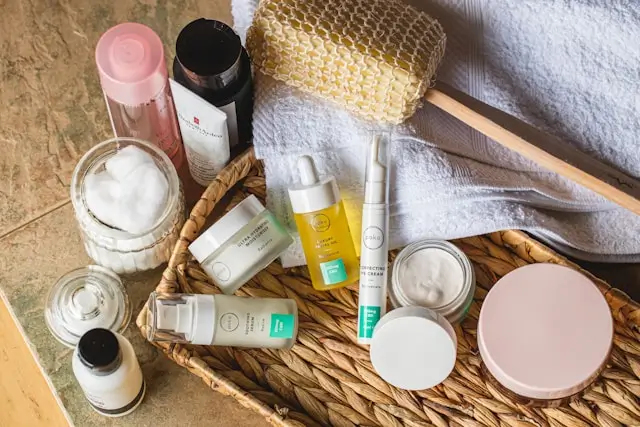
Recovery often begins by simplifying your routine down to three products: a gentle cleanser, a moisturiser, and sun protection. Everything else exfoliants, retinoids, acid toners comes out temporarily.
Why Doing Less Usually Works Better
It’s tempting to add something new when your skin is struggling: a repair serum, a new moisturiser, something that promises quick results. In practice, the opposite tends to help more. Every new product is a new potential irritant on top of a barrier that’s already struggling to do its job.
Dermatologists often notice that patients recovering fastest from barrier damage are usually the ones who stop changing products every few days. Consistency tends to matter more than finding the right new moisturiser; the basics, applied without interruption for several weeks, do most of the work.
Choose a fragrance-free, pH-balanced cleanser that doesn’t foam heavily; heavy foaming usually means surfactants too harsh for compromised skin. Once daily in the evening is often enough a morning water rinse is fine during active repair. Pat dry rather than rubbing.
Moisturise and Seal
Ceramide-containing moisturisers directly replace what the barrier has lost. Products that combine ceramides with cholesterol and fatty acids in balanced ratios tend to work better than ceramides alone, since they more closely mirror what the barrier naturally contains.
At night, sealing with an occlusive petrolatum is the most studied and effective can reduce water loss substantially; research suggests reductions of around 98% under controlled conditions. Many people worry that petrolatum will suffocate the skin. It doesn’t. It forms a protective layer that slows water loss without blocking the skin’s normal repair processes underneath. Dimethicone, lanolin, and plant-derived waxes are reasonable alternatives for anyone who prefers to avoid petroleum-based products.
Barrier Repair Checklist
✅ Stop exfoliating acids
✅ Stop retinoids temporarily
✅ Switch to a gentle, fragrance-free cleanser
✅ Apply a ceramide-rich moisturiser twice daily
✅ Wear broad-spectrum sunscreen every morning
✅ Seal with petrolatum or another occlusive at night
✅ Give it at least 2–4 weeks before reassessing
What to Expect
Many people notice less stinging within the first few days of simplifying their routine. Tightness usually starts easing within the first one to two weeks, with texture and redness improving further by around week four. Many people recover within six to eight weeks, although recovery varies considerably depending on the severity of the damage, environmental factors, and any underlying skin conditions.
Signs the barrier is healing: skin feels comfortable right after cleansing rather than tight; products that used to sting stop stinging; flaking reduces; makeup applies more evenly; moisture seems to last longer between applications. If none of these are showing up after three to four weeks of consistent effort, it’s worth having a dermatologist take a look either the diagnosis needs revisiting or something in the routine still needs adjusting.
Mistakes That Slow Things Down
A few habits reliably interfere with recovery: continuing to exfoliate just a little, using hot rather than lukewarm water, switching products every few days out of impatience, skipping sunscreen, cleansing more than necessary, and expecting visible results within the first couple of days. One common mistake clinicians report is restarting retinol too early because the skin looks better the barrier often feels improved before it’s actually fully recovered, and reintroducing actives at that point can undo several weeks of progress.
Reintroducing Actives
Once clear signs of healing are present usually four to six weeks in actives can go back in gradually, one at a time, rather than all at once. Niacinamide tends to be the gentlest reintroduction, since it’s generally well tolerated and even supports the barrier directly. Vitamin C can follow if that goes well, then retinol at a lower concentration and lower frequency than before, and exfoliating acids last, introduced slowly.
Current clinical guidance generally supports keeping ceramide and niacinamide use going even after the rest of the routine returns to normal; they provide ongoing maintenance rather than being something you only need while actively healing.
When to See a Dermatologist
If a proper simplified routine hasn’t produced any improvement after several weeks, or if your symptoms match the patterns described earlier (one-sided rash, yellow crusting, sharply defined circular patches), it’s time for a professional opinion rather than continued self-treatment. Persistent barrier dysfunction can sometimes point to an underlying condition eczema, rosacea, an undiagnosed allergy, or contact dermatitis that needs a different approach entirely.
Related Posts
- Best Sunscreen for Anti-Aging: Why Daily SPF Prevents Wrinkles Better Than Any Serum
- Why Hyaluronic Acid Sometimes Makes Your Skin Drier (And How to Fix It)
- Anti-Aging Skin Care: Ingredients That Actually Work (Backed by Science)
Frequently Asked Questions
Can over-moisturising damage the skin barrier?
Not typically in the way people assume moisturiser itself rarely causes damage. But layering too many rich products at once, especially heavy occlusives on skin that’s also breaking out, can occasionally clog pores or feel uncomfortable. If your skin feels persistently greasy or is breaking out more, simplify to one well-formulated moisturiser rather than several layered products.
Is slugging safe for acne-prone skin?
It depends on the product and the individual. Petrolatum itself is non-comedogenic and generally considered safe, but sealing acne-prone skin under a thick occlusive layer can trap excess oil or product underneath for some people. Those with active acne often do better with a lighter occlusive like dimethicone rather than a thick petrolatum layer, at least until breakouts settle.
Should I stop vitamin C completely during repair?
Usually yes, temporarily. Vitamin C at effective concentrations can sting compromised skin, particularly at low pH. Pausing it during the initial simplification phase and reintroducing it once the barrier shows signs of healing typically a few weeks in is the more comfortable approach for most people.
Can a damaged skin barrier heal on its own?
Often, yes but only if whatever caused the damage actually stops. If over-cleansing or harsh actives continue, the barrier can’t repair itself regardless of time passed. Simplifying the routine is usually what allows healing that would otherwise stall.
Is Vaseline good for repairing the skin barrier?
Yes. Petrolatum is one of the most studied occlusive ingredients available, with a strong track record for reducing water loss. It doesn’t supply ceramides on its own, so using it over a ceramide moisturiser rather than alone tends to give more complete support.
What cleanser is best for a damaged skin barrier?
A fragrance-free, pH-balanced, non-foaming cream or gel cleanser. If a cleanser lathers heavily or leaves your skin feeling squeaky clean, it’s usually too harsh for skin that’s actively repairing.
If your skin has suddenly become dry, reactive, or uncomfortable, resist the urge to add more products. In many cases, doing less is exactly what allows the barrier to recover. Once skin feels comfortable again, active ingredients can be reintroduced gradually. Repair first, optimize later.
References:
- PubMed Skin surface pH and the acid mantle: mechanisms and clinical relevance
- Journal of Clinical and Aesthetic Dermatology Ceramide-dominant moisturisers and barrier repair: clinical evidence
- International Journal of Cosmetic Science Petrolatum and occlusive efficacy in transepidermal water loss reduction
- American Academy of Dermatology Skin barrier function and repair: clinical guidance
Medical Disclaimer: This article is for informational purposes only and does not constitute medical advice. Chronic conditions including eczema, psoriasis, and rosacea involve barrier dysfunction as part of their underlying pathology and require diagnosis and treatment from a qualified dermatologist. If irritation is severe, persistent, or accompanied by signs of infection, seek professional care.