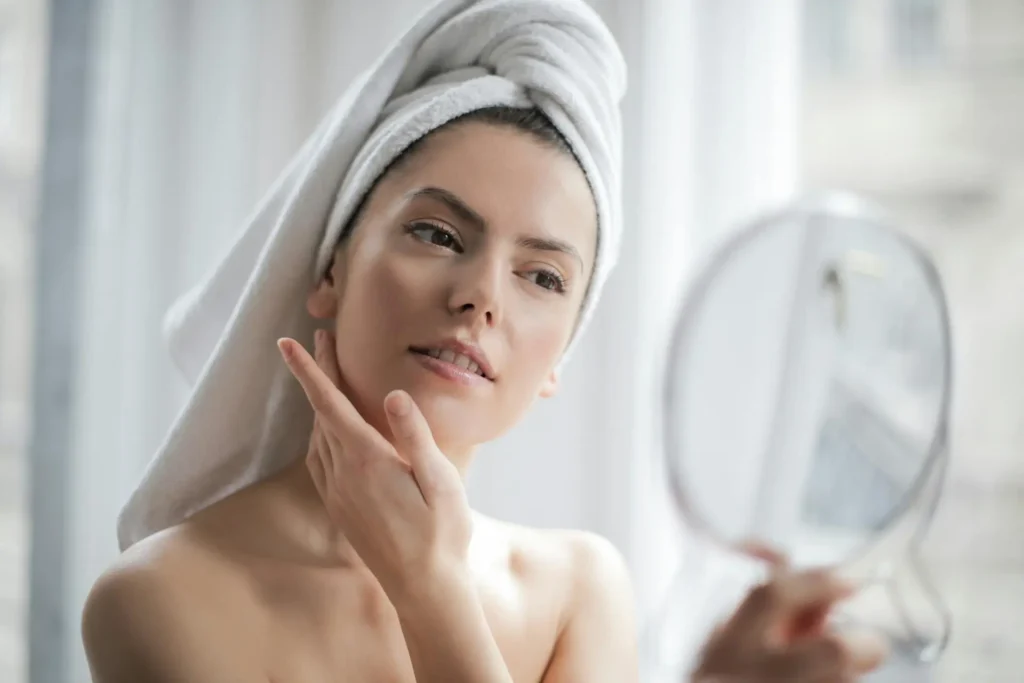
Anti-aging beauty tips go beyond expensive creams and complicated routines—they address the underlying factors that make you look tired, dull, and older than you feel. If you’re dealing with dark circles, sagging skin, uneven tone, and that overall exhausted appearance, you’re not alone. The good news? Most of these issues stem from lifestyle factors you can control, and implementing beauty tips for tired looking skin naturally produces visible improvements within weeks.
Your skin reflects your overall health and daily habits. Poor sleep, chronic stress, dehydration, and nutrient deficiencies all manifest as premature aging and fatigue in your face. While genetics play a role, your daily choices determine how quickly or slowly you age. The anti-aging beauty tips we’ll discuss target both the visible symptoms and root causes, creating lasting change rather than temporary cover-ups.
- Understanding Why Your Skin Looks Tired
- Essential Anti-Aging Beauty Tips for Daily Habits
- Nutrition-Based Anti-Aging Beauty Tips
- Topical Anti-Aging Beauty Tips That Work
- Facial Massage and Lymphatic Drainage
- Supplement Support for Anti-Aging Beauty Tips
- Professional Treatments Worth Considering
- Frequently Asked Questions
Understanding Why Your Skin Looks Tired
Before implementing anti-aging beauty tips, it helps to understand what creates that exhausted appearance. Tired-looking skin has specific characteristics that differ from simply aging skin, though they often occur together.
Dark Circles and Under-Eye Concerns
The skin under your eyes is exceptionally thin—about 0.5mm compared to 2mm on the rest of your face. This makes blood vessels more visible, creating shadows and discoloration. Poor circulation, fluid retention, and loss of fat pads in this area all contribute to dark circles and hollowing.
Allergies cause inflammation that dilates blood vessels, making them more prominent. Rubbing your eyes damages delicate skin and breaks capillaries, worsening discoloration over time. Lack of sleep increases cortisol, which promotes fluid retention and creates puffiness that casts shadows.
Dull, Uneven Skin Tone
Dead skin cells accumulate when cell turnover slows, creating a lackluster appearance. Your skin produces new cells constantly, but the shedding process becomes less efficient with age and poor health habits.
Dehydration makes this worse—without adequate moisture, skin cells shrink and create uneven texture that scatters light instead of reflecting it smoothly. Chronic inflammation from stress, poor diet, or environmental factors also contributes to dullness by interfering with healthy cell function.
Loss of Firmness and Elasticity
Collagen and elastin—proteins that provide structure and bounce—decline with age. Production drops while existing proteins degrade faster due to oxidative stress and glycation (sugar molecules binding to proteins and making them stiff).
When you’re tired or stressed, cortisol accelerates collagen breakdown. Poor sleep disrupts growth hormone release, which normally supports collagen synthesis. These factors combine to create visible sagging, particularly around the jawline, cheeks, and neck.
Increased Fine Lines and Wrinkles
Dehydration makes fine lines more pronounced. When skin cells lack moisture, they shrink, emphasizing the creases between them. Chronic stress creates expression lines—furrowed brows, tight jaws, and squinted eyes that eventually become permanent wrinkles.
Oxidative stress from pollution, UV exposure, and poor diet generates free radicals that damage skin cells’ DNA and proteins. This cumulative damage manifests as premature wrinkling, especially in areas with repeated movement like around eyes and mouth.
Essential Anti-Aging Beauty Tips for Daily Habits
The most effective anti-aging beauty tips involve consistent daily practices rather than occasional treatments. Small habits compound over time, creating significant improvements in how your skin looks and feels.
Hydration from Inside and Out
Water intake directly affects skin appearance. Research demonstrates that increasing water consumption improves skin hydration, density, and thickness. Aim for half your body weight in ounces daily—if you weigh 150 pounds, drink 75 ounces of water.
Morning hydration is particularly important. After 7-8 hours without water, your body is dehydrated. Drink 16-20 ounces of water upon waking, before coffee or breakfast. This rehydrates tissues, flushes toxins, and jumpstarts metabolism.
External hydration through proper skincare matters equally. Use a hydrating serum containing hyaluronic acid before moisturizer—this ingredient holds up to 1000 times its weight in water. Apply to damp skin to lock in moisture, then seal with a moisturizer containing ceramides and fatty acids.
Sleep Quality and Skin Recovery
Sleep is when your body repairs damage and produces growth hormone that stimulates collagen synthesis. During deep sleep, blood flow to skin increases, delivering nutrients and removing waste products. This is why you wake up with plumper, more radiant skin after quality sleep.
Poor sleep elevates cortisol, which breaks down collagen and promotes inflammation. It also increases blood sugar and insulin, accelerating glycation that damages skin proteins. Just one night of poor sleep makes you look noticeably more tired, with increased fine lines and puffiness.
Prioritize 7-9 hours of quality sleep by establishing consistent bedtime routines. Keep your bedroom cool (65-68°F), completely dark, and quiet. Avoid screens for 1-2 hours before bed, as blue light suppresses melatonin production. Consider silk pillowcases that reduce friction and prevent sleep lines.
Stress Management Techniques
Chronic stress is one of the fastest ways to age your appearance. Elevated cortisol breaks down collagen, impairs skin barrier function, increases inflammation, and disrupts sleep—all contributing to tired-looking skin.
Implement daily stress reduction practices. Even 10 minutes of meditation or deep breathing exercises measurably reduces cortisol. Progressive muscle relaxation releases tension that creates expression lines. Time in nature lowers stress hormones while providing vitamin D for skin health.
Regular exercise reduces stress while improving circulation that delivers nutrients to skin. However, excessive high-intensity exercise without adequate recovery can increase oxidative stress. Balance intense workouts with restorative activities like walking, yoga, or stretching.
Sun Protection as Foundation
UV damage is the single largest contributor to premature aging—causing up to 80% of visible aging signs. Sun exposure breaks down collagen, creates pigmentation issues, and generates free radicals that damage cells.
Wear broad-spectrum SPF 30 or higher daily, regardless of weather or season. UVA rays penetrate clouds and windows, causing aging even on overcast days or while indoors. Reapply every two hours when outdoors for extended periods.
Mineral sunscreens with zinc oxide or titanium dioxide suit sensitive or reactive skin better than chemical filters. Look for formulas that include antioxidants for additional protection against free radical damage.
Implementing morning habits that prevent wrinkles creates a consistent routine that protects skin while addressing fatigue from multiple angles.
Nutrition-Based Anti-Aging Beauty Tips
What you eat dramatically impacts how your skin looks. Certain nutrients support collagen production, reduce inflammation, protect against oxidative damage, and maintain skin barrier function. These beauty tips for tired looking skin naturally start from within.
Antioxidant-Rich Foods
Antioxidants neutralize free radicals that damage skin cells and accelerate aging. Different antioxidants target different types of damage, so variety matters.
Vitamin C is essential for collagen synthesis while providing antioxidant protection. Find it in citrus fruits, bell peppers, strawberries, kiwi, and broccoli. Aim for at least 200mg daily from food sources.
Vitamin E protects cell membranes from oxidative damage and works synergistically with vitamin C. Nuts, seeds, avocados, and leafy greens provide this fat-soluble antioxidant.
Polyphenols from colorful fruits and vegetables reduce inflammation and protect against UV damage. Berries, dark chocolate, green tea, and red grapes contain particularly high concentrations.
Carotenoids give orange and red produce their color while protecting skin from sun damage. Sweet potatoes, carrots, tomatoes, and leafy greens are excellent sources. These compounds accumulate in skin, providing internal sun protection that complements topical SPF.
Healthy Fats for Skin Barrier
Your skin barrier—the outermost layer protecting against moisture loss and environmental damage—requires healthy fats to function properly. Essential fatty acids support cell membrane integrity throughout your body, including skin cells.
Omega-3 fatty acids from fatty fish, walnuts, flaxseeds, and chia seeds reduce inflammation that contributes to aging. They support skin hydration, reduce sensitivity, and may protect against sun damage. Aim for 2-3 servings of fatty fish weekly or supplement with high-quality fish oil.
Monounsaturated fats from avocados, olive oil, and nuts support skin barrier function while providing vitamin E. These fats help your body absorb fat-soluble vitamins that protect skin.
Avoid trans fats and minimize omega-6 heavy oils like corn, soybean, and vegetable oil. These promote inflammation that accelerates aging and contributes to tired-looking skin.
Protein for Collagen Building
Collagen is protein—specifically, it’s made from amino acids glycine, proline, and hydroxyproline. Adequate protein intake provides the building blocks your body needs to synthesize collagen.
Aim for 0.8-1 gram of protein per pound of body weight daily, distributed across meals. Animal sources like eggs, poultry, fish, and grass-fed meat provide complete amino acid profiles. Plant-based options include legumes, quinoa, nuts, and seeds, though you may need to combine sources for complete proteins.
Bone broth contains collagen and gelatin that may support skin health, though effects are less studied than collagen supplements. If you consume bone broth, choose organic, slow-simmered versions for maximum nutrient content.
Reducing Sugar and Processed Foods
Sugar accelerates aging through glycation—when glucose molecules bind to proteins like collagen and elastin, making them stiff and brittle. This process creates advanced glycation end products (AGEs) that accumulate in skin, causing wrinkles, loss of elasticity, and dull appearance.
High sugar intake also spikes insulin, which promotes inflammation and increases sebum production that can lead to breakouts. Blood sugar fluctuations affect energy levels, contributing to that tired appearance beyond just skin concerns.
Minimize added sugars, refined carbohydrates, and processed foods. Focus on whole foods with natural sugars paired with fiber that slows absorption. This stabilizes blood sugar and reduces glycation while supporting overall health.
For comprehensive nutritional strategies that support youthful appearance, the complete anti-aging guide provides detailed information on diet, supplements, and lifestyle factors.
Topical Anti-Aging Beauty Tips That Work
While internal factors create the foundation for healthy skin, targeted topical treatments enhance results by addressing specific aging concerns. These anti-aging beauty tips focus on ingredients proven effective through research.
Retinoids for Cell Turnover
Retinoids—vitamin A derivatives—are the gold standard for anti-aging skincare. They accelerate cell turnover, stimulate collagen production, fade hyperpigmentation, and improve skin texture. Prescription retinoids like tretinoin are most potent, while over-the-counter retinol provides gentler results.
Start with low concentrations (0.25-0.5% retinol) to build tolerance. Apply 2-3 times weekly initially, increasing frequency as your skin adapts. Always use at night, as retinoids increase sun sensitivity. Expect some dryness and flaking during the adjustment period—this is normal and typically resolves within 4-6 weeks.
For sensitive skin, consider retinol alternatives like bakuchiol, which provides similar benefits without irritation. Peptides also stimulate collagen production through different mechanisms and suit reactive skin better than retinoids.
Vitamin C Serums
Vitamin C serums provide antioxidant protection while stimulating collagen synthesis and fading hyperpigmentation. Use in the morning before sunscreen for maximum free radical defense throughout the day.
L-ascorbic acid is the most studied form but can irritate sensitive skin. Gentler derivatives like magnesium ascorbyl phosphate or sodium ascorbyl phosphate provide similar benefits with less irritation potential. Look for concentrations between 10-20% in formulations with pH around 3.5 for optimal stability and absorption.
Vitamin C products oxidize quickly when exposed to light and air. Choose opaque, airless packaging and store in a cool, dark place. Replace when the serum turns yellow or brown, as oxidized vitamin C is ineffective.
Peptides for Collagen Support
Peptides are short chains of amino acids that signal skin cells to produce more collagen. Different peptides target different aging concerns—some reduce wrinkles, others improve firmness, and some enhance barrier function.
Copper peptides support collagen synthesis while providing antioxidant benefits. Matrixyl peptides specifically target wrinkle reduction. Argireline peptides work similarly to Botox by relaxing facial muscles, though effects are much subtler.
Products containing multiple peptide types provide broader anti-aging benefits. Look for peptides in serums or moisturizers applied after cleansing and before heavier creams. They work well with other anti-aging ingredients like vitamin C and niacinamide.
Niacinamide for Multiple Benefits
Niacinamide (vitamin B3) is one of the most versatile anti-aging beauty tips for topical use. It strengthens skin barrier, reduces inflammation, fades hyperpigmentation, minimizes pores, and stimulates collagen production.
Unlike some active ingredients, niacinamide suits all skin types and rarely causes irritation. Use concentrations between 5-10% for optimal results. It works well morning and evening and combines safely with most other ingredients, including vitamin C despite old myths suggesting otherwise.
Niacinamide particularly helps tired-looking skin by reducing redness, evening tone, and improving skin texture—all factors that contribute to a fresher, more rested appearance.
Eye Treatments for Tired Eyes
The delicate eye area shows fatigue first, making targeted treatments important anti-aging beauty tips. Look for eye creams containing:
- Caffeine to constrict blood vessels and reduce puffiness
- Peptides to support collagen in thin skin
- Hyaluronic acid for intensive hydration
- Vitamin K to reduce dark circles
- Niacinamide to strengthen skin barrier
Apply eye treatments gently with your ring finger, using patting motions rather than rubbing. Store eye creams in the refrigerator for added depuffing benefits from the cool temperature.
Facial Massage and Lymphatic Drainage
Physical manipulation of facial tissues through massage provides immediate and cumulative anti-aging beauty tips benefits. These techniques improve circulation, reduce fluid retention, and relax tension that creates expression lines.
Benefits of Facial Massage
Regular facial massage increases blood flow, delivering oxygen and nutrients to skin cells while removing waste products. This improved circulation creates a natural glow and supports cellular function that slows with age.
Massage also stimulates lymphatic drainage—the system that removes toxins and excess fluid from tissues. When lymph flow is sluggish, fluid accumulates, creating puffiness and dull appearance. Gentle massage encourages lymph movement, reducing swelling and creating more defined facial contours.
The relaxation effects shouldn’t be underestimated. Massage reduces muscle tension that contributes to forehead lines, crow’s feet, and jaw tightness. Regular practice may prevent these tension patterns from becoming permanent wrinkles.
Simple Massage Techniques
Perform facial massage with clean hands and a facial oil or serum that provides slip. Start with gentle pressure and increase only if comfortable—the goal is relaxation, not deep tissue work.
Begin at your neck, using upward strokes from collarbone to jawline. This prepares lymphatic pathways for drainage from your face. Move to your jawline, using knuckles to apply gentle pressure from chin to ears along the jaw angle.
For cheeks, use fingertips to make small circles moving from nose to ears. Apply light pressure to avoid pulling delicate skin. Continue around eyes, using your ring finger to gently tap and press from inner to outer corners, then underneath eyes moving inward.
Finish with forehead massage, smoothing from center outward toward temples with alternating hands. Pay special attention to the area between eyebrows where tension accumulates.
Gua Sha and Jade Rolling
Tools like gua sha stones and jade rollers enhance massage benefits through their cooling properties and ability to reach areas difficult to massage with fingers alone. The cooling effect reduces inflammation and constricts blood vessels, minimizing puffiness.
Use these tools after applying serum or oil for smooth gliding. Always work in upward and outward motions, following lymphatic pathways. Apply gentle pressure—these are drainage tools, not deep massage implements.
Store tools in the refrigerator for enhanced depuffing effects, particularly beneficial for beauty tips for tired looking skin naturally when you wake up puffy or inflamed.
Supplement Support for Anti-Aging Beauty Tips
While diet should provide most nutrients, certain supplements specifically support skin health and address the internal factors that contribute to tired-looking skin. These work synergistically with topical treatments and lifestyle changes.
Collagen Peptides
Oral collagen supplementation improves skin elasticity, hydration, and dermal collagen density. Studies show that taking 2.5-10 grams daily for 8-12 weeks produces measurable improvements in skin appearance.
Hydrolyzed collagen peptides are broken into small fragments your body can absorb. These peptides circulate through your bloodstream, reaching skin tissue where they stimulate collagen-producing cells. Type I and III collagen from marine or bovine sources work best for skin benefits.
Take collagen consistently—it’s not a quick fix but rather ongoing support for your body’s natural collagen synthesis. Results typically appear after 4-6 weeks of daily use.
Omega-3 Fatty Acids
If you don’t regularly eat fatty fish, omega-3 supplements provide anti-inflammatory benefits that support skin health. EPA and DHA reduce inflammatory markers, support skin barrier function, and may protect against sun damage.
Choose high-quality fish oil or krill oil tested for contaminants like mercury and PCBs. Look for products providing at least 1000mg combined EPA and DHA daily. Take with meals containing fat for optimal absorption.
Antioxidant Supplements
While food should provide most antioxidants, certain supplements offer additional support. Vitamin C at 500-1000mg daily supports collagen synthesis. Vitamin E works synergistically with vitamin C for enhanced antioxidant protection.
Astaxanthin is a powerful antioxidant from algae that accumulates in skin, providing protection against UV damage and reducing signs of aging. Typical dosing is 4-12mg daily.
Resveratrol from grapes and berries activates longevity pathways and provides antioxidant benefits. While human studies are limited, doses of 150-500mg daily appear safe and may support overall anti-aging processes.
For detailed information on supplements that support youthful appearance, reviewing anti-aging supplements to look younger provides specific recommendations and dosing guidelines.
Professional Treatments Worth Considering
While these anti-aging beauty tips focus on what you can do at home, certain professional treatments provide results that topical products and lifestyle changes can’t match. These enhance your at-home routine rather than replacing it.
Chemical Peels for Texture
Professional chemical peels use higher concentrations of acids than over-the-counter products, creating controlled injury that stimulates cell turnover and collagen production. Superficial peels address dullness and mild texture issues with minimal downtime. Medium-depth peels target deeper wrinkles and pigmentation but require several days of peeling and redness.
Peels particularly help tired-looking skin by removing accumulated dead cells that create dull appearance. The renewed cell turnover reveals fresher, more radiant skin. Glycolic, lactic, and mandelic acids are common peel ingredients, chosen based on your specific concerns and skin sensitivity.
Microneedling for Collagen Induction
Microneedling creates tiny controlled injuries that trigger healing responses, including increased collagen production. Professional treatments penetrate deeper than at-home devices, producing more significant results for wrinkles, scarring, and overall skin texture.
Results appear gradually over several months as new collagen forms. Most people need 3-6 treatments spaced 4-6 weeks apart for optimal results. Downtime is minimal—expect redness and sensitivity for 1-2 days following treatment.
LED Light Therapy
Different wavelengths of light therapy address specific skin concerns. Red light stimulates collagen production and reduces inflammation. Blue light targets acne-causing bacteria. Near-infrared light penetrates deeply to support cellular function.
Professional LED treatments use higher intensity than at-home devices, producing faster results. However, at-home devices provide value for maintaining results between professional sessions. Red light particularly benefits tired-looking skin by reducing inflammation and supporting repair processes.
Frequently Asked Questions
How quickly will I see results from these anti-aging beauty tips?
Timeline varies by strategy. Hydration and sleep improvements show effects within days—you’ll notice plumper, less tired-looking skin quickly. Topical products like vitamin C and niacinamide produce visible changes in 4-6 weeks. Retinoids and collagen supplements require 8-12 weeks for significant improvements. Consistency matters more than any single product or technique.
Can I reverse aging or just slow it down?
You can’t reverse biological aging completely, but you can significantly improve visible signs through comprehensive anti-aging beauty tips. Many factors that make skin look tired and aged—dehydration, inflammation, sun damage, poor nutrition—are reversible. Consistent healthy habits combined with effective skincare produce remarkable improvements that essentially turn back the clock on appearance.
Are expensive skincare products necessary for anti-aging?
Not necessarily. While some premium formulations justify their cost through research, quality ingredients, and elegant textures, many affordable products contain effective concentrations of proven ingredients. Focus on ingredient quality rather than brand prestige. A well-formulated drugstore product often outperforms an expensive cream with impressive marketing but inadequate active ingredients.
What’s the single most important anti-aging beauty tip?
If forced to choose one thing, sun protection provides the most significant anti-aging benefit. UV damage causes approximately 80% of visible aging signs. Daily broad-spectrum SPF 30+ prevents premature aging while allowing other interventions to work more effectively. Without sun protection, even the best skincare and supplements can’t overcome ongoing UV damage.
Related Posts:
- Morning Habits That Prevent Wrinkles
- Anti-Aging Skincare Routine 50+
- Anti-Aging Supplements to Look Younger
Implementing these anti-aging beauty tips transforms not just your appearance but how you feel daily. When you address the root causes of tired-looking skin—inadequate sleep, chronic stress, poor nutrition, dehydration—you experience benefits that extend far beyond your complexion. Increased energy, better mood, improved health markers, and yes, more youthful appearance all result from these comprehensive strategies.
The beauty of these approaches is their accessibility. You don’t need expensive treatments or complicated routines to see real results. Consistent attention to hydration, quality sleep, stress management, nutrition, and targeted skincare produces cumulative benefits that compound over time. Small daily actions create remarkable long-term changes in how you look and feel.