Anti-Aging Skincare Routine 50+
An anti-aging skincare routine 50+ requires different approaches than what worked in your thirties or forties. Your skin’s needs have changed—it’s thinner, drier, more sensitive, and slower to repair itself. The good news? With the right products and techniques, you can significantly improve texture, reduce visible aging signs, and maintain a healthy glow well into your later years.
After 50, your skin produces less collagen, elastin, and natural oils. Hormonal changes, particularly the drop in estrogen during menopause, accelerate these shifts. This means that finding a nourishing moisturizer for mature skin becomes essential rather than optional. Your skin barrier weakens, making it more susceptible to irritation from harsh ingredients that you might have tolerated easily before.
Many women over 50 struggle with using retinol—while it’s often called the gold standard for anti-aging, it can cause excessive dryness, redness, and peeling on mature skin. This is where understanding retinol alternatives for sensitive skin over 50 becomes crucial. You don’t have to sacrifice results for comfort, but you do need to be more strategic about product selection and application.
Understanding Mature Skin Changes After 50
Your skin undergoes significant transformations after 50 that require adjusting your approach to skincare. Understanding these changes helps you choose products and routines that work with your skin rather than against it.
Hormonal Impact on Skin
Estrogen decline during and after menopause dramatically affects skin health. This hormone stimulates collagen production, maintains skin thickness, and supports oil gland function. As estrogen drops, collagen production can decrease by up to 30% in the first five years after menopause.
The result? Skin becomes noticeably thinner, loses elasticity, and develops more pronounced wrinkles. Dryness intensifies because oil glands produce less sebum. You might notice that products you’ve used for years suddenly feel inadequate or even irritating.
Barrier Function Decline
The skin barrier—your outermost defense against environmental damage and moisture loss—weakens with age. Research shows that barrier recovery time increases significantly in older adults compared to younger skin.
This compromised barrier leads to increased trans-epidermal water loss, meaning your skin loses moisture faster than it can retain it. It also becomes more reactive to ingredients, weather changes, and environmental stressors. An effective anti-aging skincare routine 50+ must prioritize barrier repair and protection.
Slower Cell Turnover
Cell turnover—the process where new skin cells replace old ones—slows dramatically with age. In your twenties, this cycle takes about 28 days. By your fifties and beyond, it can extend to 45-60 days or longer.
Dead skin cells accumulate on the surface, creating a dull, rough texture. This buildup also prevents skincare products from penetrating effectively. Addressing this requires gentle exfoliation strategies that don’t further damage your already delicate skin.
For foundational knowledge on how aging affects your skin and what you can do about it, the complete anti-aging guide provides evidence-based strategies for maintaining youthful skin at any age.
Morning Anti-Aging Skincare Routine 50+
Your morning routine sets the stage for protecting your skin throughout the day. The focus should be on hydration, protection, and gentle nourishment that prepares your skin for environmental exposure.
Gentle Cleansing
Start with a cream or oil-based cleanser rather than foaming formulas that strip natural oils. Mature skin doesn’t produce excess oil, so harsh cleansing does more harm than good. Look for cleansers with hydrating ingredients like glycerin, ceramides, or hyaluronic acid.
If your skin feels tight or dry after cleansing, your cleanser is too harsh. The right cleanser leaves skin feeling clean but comfortable, never squeaky or stripped. Some women over 50 find that cleansing only once daily—in the evening—works better, using just water or micellar water in the morning.
Hydrating Toner or Essence
A hydrating toner or essence adds a crucial moisture layer that prepares skin to absorb subsequent products better. Look for alcohol-free formulas containing ingredients like:
- Hyaluronic acid in multiple molecular weights
- Glycerin for humectant properties
- Niacinamide to support barrier function
- Peptides for collagen support
Apply while skin is still slightly damp from cleansing to lock in moisture. Pat gently rather than rubbing, which can stress delicate skin.
Antioxidant Serum
Vitamin C serum in the morning provides antioxidant protection against free radical damage from UV exposure and pollution. However, mature skin often can’t tolerate pure L-ascorbic acid formulations that work well for younger skin.
Consider gentler vitamin C derivatives like magnesium ascorbyl phosphate or sodium ascorbyl phosphate. These provide antioxidant benefits with less irritation potential. Alternatively, look for serums combining multiple antioxidants like vitamin E, ferulic acid, or resveratrol.
Nourishing Moisturizer for Mature Skin
This step is non-negotiable for an anti-aging skincare routine 50+. Your moisturizer should provide intense hydration while supporting barrier repair. Key ingredients to seek include:
- Ceramides to repair barrier lipids
- Peptides to stimulate collagen production
- Niacinamide for multiple anti-aging benefits
- Squalane or other emollient oils
- Hyaluronic acid for hydration
Apply generously while skin is still slightly damp from previous steps. Don’t be afraid to layer—mature skin benefits from richer textures than you might have used when younger.
Broad-Spectrum Sunscreen
Sun protection is the single most important step in any anti-aging skincare routine 50+. UV damage accelerates all visible signs of aging and increases skin cancer risk, which rises with age.
Choose a mineral sunscreen with zinc oxide or titanium dioxide if your skin is reactive. These physical blockers sit on skin’s surface rather than being absorbed, reducing irritation potential. Look for formulas designed for mature or sensitive skin that include moisturizing ingredients.
Apply at least SPF 30 daily, even on cloudy days or when staying indoors near windows. Reapply every two hours if spending extended time outdoors.
Implementing morning habits that prevent wrinkles creates a comprehensive approach to maintaining youthful skin throughout the day.
Evening Anti-Aging Skincare Routine 50+
Evening is when your skin repairs itself, making nighttime the optimal period for active treatments and deep nourishment. Your evening anti-aging skincare routine 50+ should focus on cell renewal, repair, and intensive moisture replenishment.
Thorough but Gentle Cleansing
Remove sunscreen, makeup, and daily accumulation with an oil-based cleanser or cleansing balm. These formulas dissolve everything without stripping, which is crucial for maintaining moisture balance in mature skin.
Follow with a gentle cream cleanser if needed, though many women find single cleansing sufficient when using an effective oil cleanser. The goal is clean skin without that tight, dry feeling.
Treatment Toner or Essence
Evening is ideal for treatment-focused toners containing gentle exfoliating acids. However, mature skin requires careful acid selection. Skip harsh glycolic acid and instead choose:
- Polyhydroxy acids (PHAs) like gluconolactone or lactobionic acid
- Low concentrations of mandelic acid
- Enzyme-based gentle exfoliants
These options provide cell turnover benefits without the irritation and dryness that stronger acids cause on mature, sensitive skin. Use 2-3 times weekly initially, increasing frequency only if skin tolerates well.
Retinol or Retinol Alternatives for Sensitive Skin Over 50
Retinoids remain the gold standard for anti-aging, but traditional retinol often proves too harsh for mature skin. You have several options depending on your skin’s tolerance.
If your skin handles retinol, use it every 2-3 nights rather than daily to minimize irritation. Apply after moisturizer rather than before—this “sandwich method” reduces penetration slightly but dramatically improves tolerability.
For sensitive skin, consider these retinol alternatives for sensitive skin over 50:
Bakuchiol is a plant-derived ingredient that provides retinol-like benefits without irritation. Studies show it improves fine lines, pigmentation, and elasticity without causing dryness or sensitivity. It’s gentler than retinol while delivering comparable results over time.
Peptides stimulate collagen production through different pathways than retinoids. While they work more slowly, they cause virtually no irritation. Look for products containing multiple peptide types for broader benefits.
Growth factors are proteins that signal skin cells to repair and regenerate. They’re particularly effective for mature skin and cause no irritation. Plant-derived or synthetic growth factors appear in many anti-aging products designed for sensitive skin.
Niacinamide at 5-10% concentrations improves multiple aging signs including fine lines, uneven tone, and pore appearance. It’s exceptionally well-tolerated and actually helps strengthen skin barrier, making it ideal for an anti-aging skincare routine 50+.
Intensive Night Cream or Sleeping Mask
Night is when you can use richer, more occlusive products that might feel too heavy during the day. A nourishing moisturizer for mature skin should contain:
- Rich emollients like shea butter or plant oils
- Ceramides for overnight barrier repair
- Peptides to support collagen synthesis during sleep
- Antioxidants to combat oxidative stress
Apply generously and consider adding a facial oil on top for extra nourishment. Mature skin can absorb and benefit from these rich textures that would have felt overwhelming in earlier decades.
Eye and Lip Treatment
The thin skin around eyes and lips shows aging signs prominently and needs dedicated treatment. Use a rich eye cream containing peptides, ceramides, and hyaluronic acid. Gently pat around the orbital bone—never pull or tug this delicate area.
Apply a nourishing lip treatment to prevent the vertical lines and dryness that commonly develop with age. Look for products with ceramides, peptides, and emollient oils.
Key Ingredients for Anti-Aging Skincare Routine 50+
Understanding which ingredients benefit mature skin helps you evaluate products and build an effective routine. Not all anti-aging ingredients suit skin over 50—some are too harsh while others don’t address specific mature skin concerns.
Barrier-Supporting Ingredients
Ceramides are lipid molecules that form the “mortar” between skin cells. They’re essential for barrier function and moisture retention. Mature skin has depleted ceramide levels, making supplementation through skincare crucial.
Niacinamide strengthens barrier function while providing multiple anti-aging benefits. It reduces inflammation, improves skin tone, minimizes pores, and stimulates collagen production. It’s one of the most versatile ingredients for an anti-aging skincare routine 50+.
Cholesterol and fatty acids work alongside ceramides to repair barrier lipids. Look for products listing all three—ceramides, cholesterol, and fatty acids—for optimal barrier repair.
Hydration Powerhouses
Hyaluronic acid attracts and holds up to 1000 times its weight in water. Mature skin benefits most from products containing multiple molecular weights—smaller molecules penetrate deeper while larger ones hydrate surface layers.
Glycerin is a humectant that draws moisture from the air into skin. It’s gentle, effective, and suitable for the most sensitive mature skin. Nearly all good moisturizers contain glycerin.
Panthenol (pro-vitamin B5) improves moisture retention while soothing irritation. It’s particularly helpful for sensitive mature skin that reacts to other ingredients.
Collagen-Boosting Actives
Peptides are short chains of amino acids that signal skin to produce collagen. Different peptides target different aging concerns—some focus on wrinkles, others on firmness or skin texture. Products containing multiple peptides provide broader benefits.
Vitamin C stimulates collagen synthesis while providing antioxidant protection. As mentioned earlier, gentler derivatives work better for sensitive mature skin than pure L-ascorbic acid.
Retinoids remain the most proven collagen-boosting ingredient, but as discussed, mature skin often needs gentler alternatives. If you do use retinol, start with low concentrations (0.25-0.5%) and build tolerance slowly.
Antioxidant Protection
Vitamin E works synergistically with vitamin C for enhanced antioxidant protection. It also helps heal and soothe skin, making it valuable for an anti-aging skincare routine 50+.
Resveratrol from grapes and berries provides potent antioxidant activity while supporting collagen production. It’s well-tolerated even by sensitive skin.
Green tea extract offers anti-inflammatory and antioxidant benefits. It’s particularly helpful for reactive skin that experiences redness or irritation.
Understanding how anti-aging vitamins support skin health from both topical and internal approaches helps you create a comprehensive strategy.
Special Considerations for Mature Skin
An effective anti-aging skincare routine 50+ requires addressing specific concerns that become more prominent with age. These issues need targeted approaches beyond basic cleansing and moisturizing.
Managing Hyperpigmentation
Age spots, sun damage, and uneven tone become more noticeable after 50. Address these concerns with:
- Vitamin C serums for brightening and prevention
- Niacinamide to reduce existing pigmentation
- Gentle acids like mandelic acid for surface discoloration
- Tranexamic acid for stubborn dark spots
- Consistent sun protection to prevent new spots
Avoid harsh brightening treatments that work too aggressively—they can cause irritation and rebound pigmentation in sensitive mature skin. Patience and gentle, consistent treatment produce better long-term results.
Addressing Loss of Volume
Fat pad loss in the face creates hollowing that emphasizes wrinkles and creates a tired appearance. While skincare can’t replace lost volume, certain approaches help:
- Peptide-rich products that improve skin thickness
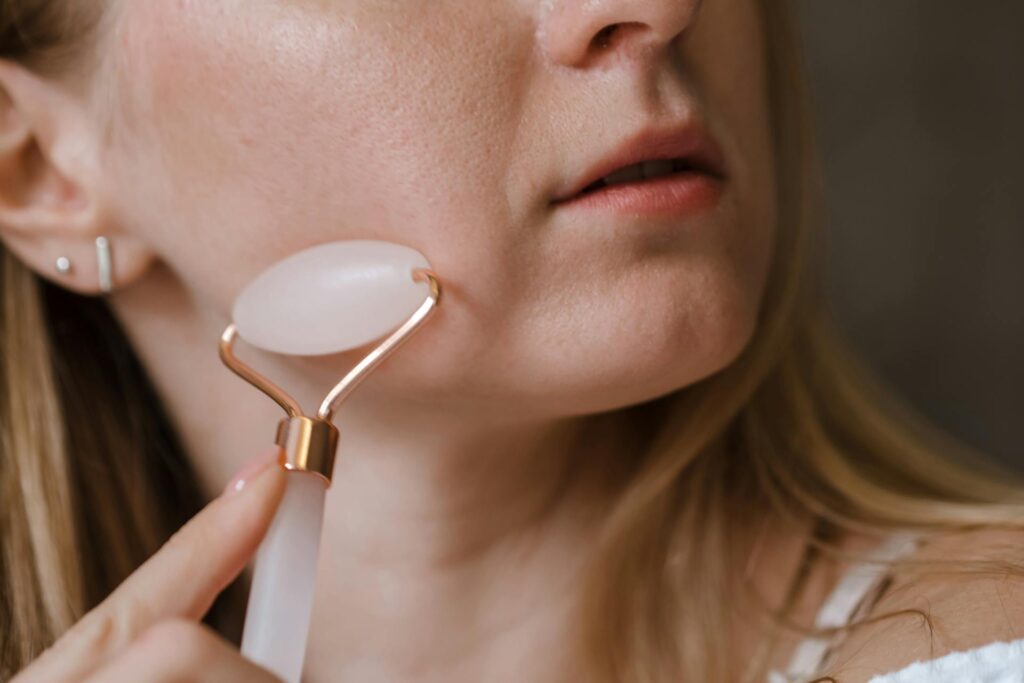
- Facial massage to stimulate circulation and lymphatic drainage
- Products containing ingredients like DMAE that temporarily firm skin
- Consistent moisturization to plump through hydration
Be realistic about skincare’s limitations. Significant volume loss may require professional treatments like fillers, but good skincare optimizes your skin’s appearance regardless.
Dealing with Increased Sensitivity
Many women notice their skin becomes more reactive after 50. Hormonal changes, barrier dysfunction, and accumulated sun damage all contribute to increased sensitivity.
Strategies for managing sensitive mature skin include:
- Introducing new products one at a time, waiting 2 weeks between additions
- Patch testing on your inner arm before applying to face
- Avoiding fragrances, essential oils, and alcohol in products
- Choosing mineral sunscreens over chemical ones
- Simplifying your routine when irritation occurs
Don’t assume you must tolerate irritation for results. Many effective anti-aging skincare routine 50+ options exist for sensitive skin—you don’t have to suffer for improvement.
Texture and Rough Patches
Accumulated dead skin cells create rough texture and dullness. Address this through gentle exfoliation rather than harsh scrubbing:
- Enzyme masks once or twice weekly
- Soft washcloths or konjac sponges for physical exfoliation
- PHAs or gentle acids 2-3 times weekly
- Regular moisturization to soften rough areas
Over-exfoliating damages mature skin’s already compromised barrier. Less is more—gentle, consistent exfoliation produces better results than aggressive approaches.
Building Your Personalized Routine
No single anti-aging skincare routine 50+ works for everyone. Your specific skin concerns, sensitivity level, budget, and lifestyle all influence what works best for you.
Starting Simple
If you’re new to a structured skincare routine, don’t try to implement everything at once. Start with these basics:
- Gentle cleanser (evening)
- Nourishing moisturizer for mature skin (morning and evening)
- Sunscreen SPF 30+ (morning)
Once this foundation feels comfortable, add one product at a time. Wait at least two weeks before introducing the next item to assess how your skin responds.
Adding Active Ingredients
After establishing your basic routine, incorporate active anti-aging ingredients gradually:
- Week 1-2: Add a hydrating serum or essence
- Week 3-4: Introduce an antioxidant serum for morning use
- Week 5-6: Add retinol alternatives for sensitive skin over 50 or very gentle retinol
- Week 7-8: Incorporate gentle exfoliation 2x weekly
This slow introduction helps you identify any problematic products and prevents overwhelming your skin with too many new ingredients simultaneously.
Listening to Your Skin
Pay attention to how your skin responds. Signs that a product or routine isn’t working:
- Persistent redness or irritation
- Increased dryness or flaking
- Burning or stinging sensations
- Breakouts or changes in skin texture
- No improvement after 8-12 weeks of consistent use
Adjust based on feedback from your skin. What works for someone else may not suit you—trust your own experience over marketing claims or influencer recommendations.
Seasonal Adjustments
Mature skin’s needs change with seasons. You’ll likely need:
- Richer moisturizers in winter when heating dries indoor air
- Lighter textures in humid summer months
- More frequent exfoliation in winter when dead cells accumulate
- Enhanced sun protection in summer
Don’t be afraid to modify your anti-aging skincare routine 50+ as conditions change. Flexibility ensures your routine continues meeting your skin’s evolving needs.
For comprehensive anti-aging strategies that work alongside your skincare routine, revisiting th eanti-aging guide provides additional tools for maintaining youthful appearance.
Related Posts:
Your anti-aging skincare routine 50+ doesn’t need to be complicated or expensive to be effective. What matters most is understanding your skin’s changed needs and responding with appropriate products and techniques. Gentle cleansing, intensive hydration with a nourishing moisturizer for mature skin, retinol alternatives for sensitive skin over 50 when needed, and diligent sun protection form the foundation.
Consistency trumps perfection every time. A simple routine you follow daily outperforms an elaborate one you abandon after two weeks. Start where you are, add products gradually, and give your skin time to respond. The investment you make in caring for your skin now pays dividends in how you look and feel for years to come.
Remember that skincare works best as part of a holistic approach to aging well. Sleep quality, stress management, nutrition, and hydration all influence your skin’s appearance and health. Your skincare routine supports these factors but doesn’t replace them.