The smoothie diet has exploded in popularity as people search for faster weight loss methods that don’t involve counting every calorie or spending hours meal prepping. You blend, you drink, you lose weight—at least that’s the promise. But does replacing meals with blended fruits and vegetables actually work, or is it just another fad that leaves you hungry and disappointed?
Here’s the reality: a smoothie diet can work for weight loss, but not for the reasons most programs claim. You’re not losing weight because smoothies have magical fat-burning properties. You’re losing weight because you’re consuming fewer calories than your body burns—often drastically fewer. The question isn’t whether you’ll lose weight (you probably will), but whether you can sustain it and if it’s actually healthy.
The 21-day smoothie diet programs flooding your social media feeds promise dramatic results. Some people do see significant weight loss in three weeks. Others feel miserable, constantly hungry, and gain everything back the moment they return to normal eating. Before you invest in finding the best price for 21-day smoothie diet program, you need to understand what you’re actually buying into.
How the Smoothie Diet Actually Works
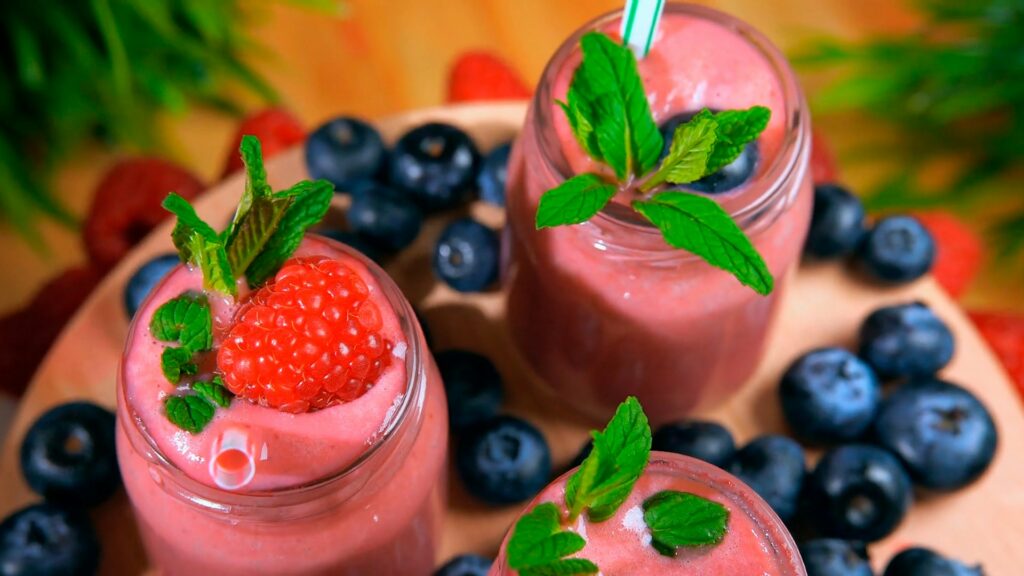
The basic premise is simple: replace one, two, or all three daily meals with nutrient-dense smoothies. Most smoothie diet plans provide recipes designed to keep you full while creating a calorie deficit that forces your body to burn stored fat.
The Calorie Deficit Reality
Weight loss requires burning more calories than you consume. There’s no way around this basic thermodynamic reality, regardless of what any diet program claims. A smoothie diet works primarily by making it easier to maintain a calorie deficit without feeling like you’re starving.
A well-designed smoothie can pack vegetables, fruits, protein powder, healthy fats, and fiber into 300-400 calories. That’s substantially less than most people eat for a typical meal, especially when dining out or eating processed convenience foods. Replace two meals daily with smoothies and you’ve potentially cut 600-1,000 calories from your diet without much effort.
The problem? Your body adapts. Initially, you might lose 5-7 pounds in the first week—mostly water weight and glycogen stores. But as your metabolism adjusts to fewer calories, weight loss slows. This is where most people get frustrated and quit.
Nutrient Density vs. Calorie Density
The smoothie diet concept relies on maximizing nutrients while minimizing calories. Leafy greens, berries, and vegetables provide vitamins, minerals, antioxidants, and fiber with minimal caloric impact. Add protein powder for satiety, healthy fats for hormone production, and you’ve theoretically created a nutritionally complete meal.
Research demonstrates that increasing fruit and vegetable consumption supports weight loss when combined with calorie restriction. However, the study participants ate whole foods, not just blended versions.
The blending process breaks down fiber, making nutrients more immediately available but also reducing the satiety factor that chewing provides. Your body processes liquid calories differently than solid food, often leaving you less satisfied despite adequate nutrition.
What Makes a Smoothie Diet Different
Unlike traditional diets that restrict certain food groups entirely, the smoothie diet typically allows you to eat one regular meal daily. This flexibility makes it more sustainable than juice cleanses or other extreme restrictions.
Most structured smoothie diet programs provide:
- Daily smoothie recipes with specific ingredients
- Shopping lists organized by week
- One “regular” meal per day following specific guidelines
- Snack options for when hunger strikes
- Timelines and expectations for weight loss
The structure helps eliminate decision fatigue. You’re not wondering what to eat—you just follow the plan. For people who struggle with meal planning or portion control, this simplicity has genuine appeal.
The 21-Day Smoothie Diet Program Breakdown
Most commercial smoothie diet programs center on a 21-day timeline. This isn’t arbitrary—three weeks provides enough time to see visible results while remaining psychologically manageable for people intimidated by longer-term commitments.
What You’re Actually Buying
When searching for the best price for 21-day smoothie diet program, you’re typically purchasing a digital guide that includes:
- 36+ smoothie recipes designed for different goals (detox, energy, weight loss)
- Weekly shopping lists with exact quantities
- Preparation instructions and tips
- Supplement recommendations
- Access to online support communities
- Money-back guarantees (usually 60 days)
The most popular 21-day smoothie diet program includes additional bonuses like quick-start guides, smoothie-making videos, and access to a private Facebook group where participants share experiences and recipes.
Prices typically range from $27-47 for digital access. Physical book versions cost slightly more. Given that you’re also saving money on groceries by simplifying meal planning, the upfront cost becomes negligible if you actually follow through.
The Three-Week Timeline
Week 1: The Detox Phase. You’ll likely feel terrible. Headaches, fatigue, irritability, and intense hunger are common as your body adjusts to lower calories and processes stored toxins. Most people lose 5-8 pounds this week, though much of it is water weight.
Week 2: The Adjustment. Your body adapts. Energy improves, hunger decreases, and you start noticing physical changes beyond the scale—clearer skin, better sleep, improved digestion. Weight loss typically slows to 2-3 pounds this week.
Week 3: The Results Phase. You’ve established new habits. The smoothies feel normal rather than restrictive. Final weight loss varies dramatically—some lose another 2-3 pounds, others plateau completely. Total three-week loss typically ranges from 8-15 pounds depending on starting weight and adherence.
Common Modifications People Make
Few people follow smoothie diet programs exactly as written. Common modifications include:
- Using smoothies for breakfast and lunch but eating a normal dinner
- Having smaller snacks throughout the day to manage hunger
- Adding extra protein powder to increase satiety
- Incorporating intermittent fasting principles by condensing eating windows
These modifications can actually improve results by making the program more sustainable. For comprehensive strategies on sustainable weight loss that complement a smoothie diet approach, exploring natural weight loss strategies provides a broader framework.
The Smoothie Diet Benefits Beyond Weight Loss
While weight loss draws most people to smoothie diets, other benefits emerge that often surprise participants. These secondary effects sometimes become the reason people continue incorporating smoothies even after reaching their goal weight.
Increased Vegetable Consumption
Most people don’t eat enough vegetables. The smoothie diet forces you to consume multiple servings daily—often more than you’d eat otherwise because you’re not actually tasting them when blended with fruits.
Spinach, kale, cucumber, celery, and other greens become regular parts of your diet. This increased plant intake provides fiber, antioxidants, and micronutrients most people’s diets lack. The digestive improvements people notice often have more to do with fiber intake than any magical detox properties.
Simplified Meal Planning
Decision fatigue is real. Figuring out what to eat for three meals daily, shopping for ingredients, and preparing everything consumes significant mental energy. The smoothie diet eliminates most of this by providing exact recipes and shopping lists.
This simplification reduces stress and makes it harder to make impulsive poor food choices. When your breakfast and lunch are predetermined, you’re less likely to stop at a drive-through or order takeout.
Improved Hydration
Smoothies are primarily water-based, helping you meet daily hydration needs without conscious effort. Most people are chronically dehydrated without realizing it, contributing to fatigue, headaches, and false hunger signals.
The increased fluid intake from a smoothie diet often improves skin appearance, reduces bloating, and increases energy levels. These changes have nothing to do with weight loss but significantly impact how you feel daily.
The Smoothie Diet Drawbacks You Need to Know
Honesty matters. The smoothie diet has legitimate downsides that proponents often minimize or ignore entirely. Understanding these limitations helps you make an informed decision about whether this approach suits your situation.
Hunger and Satiety Issues
Liquid calories don’t satisfy like solid food. Chewing signals satiety to your brain in ways that drinking doesn’t replicate. Many people feel constantly hungry on a smoothie diet despite consuming adequate calories and nutrients.
The rapid absorption of blended food means blood sugar spikes and crashes can be more pronounced, leading to energy fluctuations and cravings. Adding fat and protein helps, but it doesn’t completely eliminate this issue for everyone.
Social and Practical Challenges
Try explaining to your friends why you can’t join them for lunch because you need to drink your kale smoothie. Social eating situations become awkward. Travel becomes complicated. You need access to a blender and fresh ingredients daily.
These practical barriers cause many people to quit. Life doesn’t pause for your diet, and the smoothie diet is less flexible than other approaches when unexpected situations arise.
Muscle Loss Concerns
Rapid weight loss often includes muscle loss alongside fat loss, especially when calories drop too low. While smoothie diet programs typically recommend adequate protein, the combination of calorie restriction and potentially inadequate protein intake can lead to losing muscle mass.
This matters because muscle burns more calories than fat. Losing muscle reduces your metabolic rate, making it easier to regain weight once you return to normal eating. Incorporating resistance training becomes essential to preserve muscle during any significant calorie deficit.
The Rebound Effect
What happens on day 22? Most people return to eating normally and quickly regain much or all of the weight they lost. This isn’t because the smoothie diet “damaged” their metabolism—it’s because they never learned sustainable eating habits.
The smoothie diet is a temporary intervention, not a lifestyle. Without transitioning to sustainable long-term eating patterns, weight regain is virtually guaranteed. This is why understanding approaches like intermittent fasting for sustainable weight management provides better long-term results when combined with short-term strategies.
Is the Smoothie Diet Right for You
The smoothie diet works for certain people in specific situations. It’s not universally effective, and pretending otherwise sets you up for disappointment.
Who Benefits Most
The smoothie diet works best for:
- People who need a structured, simple plan without room for interpretation
- Individuals comfortable with meal replacement strategies
- Those who already enjoy smoothies and find them satisfying
- People looking for a short-term kickstart to motivate longer-term changes
- Busy professionals who value convenience over culinary variety
If you fit these criteria and need to lose 10-20 pounds relatively quickly for an upcoming event, the smoothie diet can work effectively. Just understand it’s a temporary tool, not a permanent solution.
Who Should Look Elsewhere
The smoothie diet isn’t suitable for:
- People with eating disorder histories (restrictive patterns can trigger relapses)
- Individuals who find liquid meals unsatisfying regardless of nutrition
- Those with digestive issues that worsen with high fiber intake
- People on medications affected by sudden dietary changes
- Anyone unwilling to commit to daily smoothie preparation
If sustainable, long-term weight loss is your goal, approaches that teach you to eat normal foods in appropriate portions serve you better than temporary meal replacements.
Making It Work Long-Term
If you decide to try a smoothie diet, plan your transition before you even start. Week four and beyond matter more than the initial three weeks. Consider:
- Gradually reintroducing regular meals while keeping one smoothie daily
- Using smoothies strategically for busy mornings or post-workout nutrition
- Applying the portion control and vegetable intake lessons to regular meals
- Combining smoothie principles with other sustainable strategies
The goal isn’t to drink smoothies forever—it’s to use them as a tool while developing better overall eating habits.
Frequently Asked Questions
Does the smoothie diet actually work for weight loss?
Yes, but primarily because it creates a calorie deficit, not because smoothies have special weight loss properties. Most people lose 8-15 pounds during a 21-day program, though much of the initial loss is water weight. Success depends on adherence and whether you transition to sustainable eating afterward.
Can I do the smoothie diet without buying a program?
Absolutely. The basic concept—replacing meals with nutrient-dense smoothies while maintaining a calorie deficit—doesn’t require purchasing anything. However, structured programs provide recipes, shopping lists, and support that increase adherence for people who benefit from detailed guidance.
Will I regain weight after stopping the smoothie diet?
Most people regain some weight when returning to normal eating, especially if they resume previous eating patterns that caused weight gain initially. The key is using the smoothie diet as a kickstart while simultaneously developing sustainable long-term habits rather than treating it as a standalone solution.
Is it safe to do the smoothie diet long-term?
While occasional meal replacement with smoothies is safe, replacing all meals long-term isn’t advisable. Your body needs variety, and the social and psychological aspects of eating solid meals matter for overall wellbeing. Use smoothies strategically rather than as a permanent eating pattern.
Related Posts:
- Natural Weight Loss Strategies for Sustainable Health
- Intermittent Fasting for Weight Loss: A Beginner’s Guide
The smoothie diet delivers what it promises—rapid weight loss through calorie restriction made easier by meal replacement. Whether it’s worth your money depends entirely on your goals, timeline, and willingness to transition to sustainable habits afterward.
For people needing a structured, simple approach to lose weight quickly before an event or to kickstart motivation, investing in a quality program makes sense. The 21-day smoothie diet provides everything needed to succeed during those three weeks without wondering what to eat or how to prepare it.
But remember—the real work begins on day 22. The smoothie diet is a tool, not a solution. Use it strategically as part of a broader approach to health rather than expecting it to solve everything. Your long-term success depends less on what you drink for 21 days and more on the sustainable habits you develop for the months and years that follow.