

Source: bit245 / Getty Images
Key Takeaways
- Cellular Nutrition: Diet directly builds, repairs, and protects the skin structure over time.
- Antioxidant Shield: Anti-inflammatory foods target oxidative stress, the primary driver of skin dullness.
- Several foods provide nutrients required for normal collagen production and maintenance.
- Diet changes show visible skin improvements within 4–8 weeks of consistency.
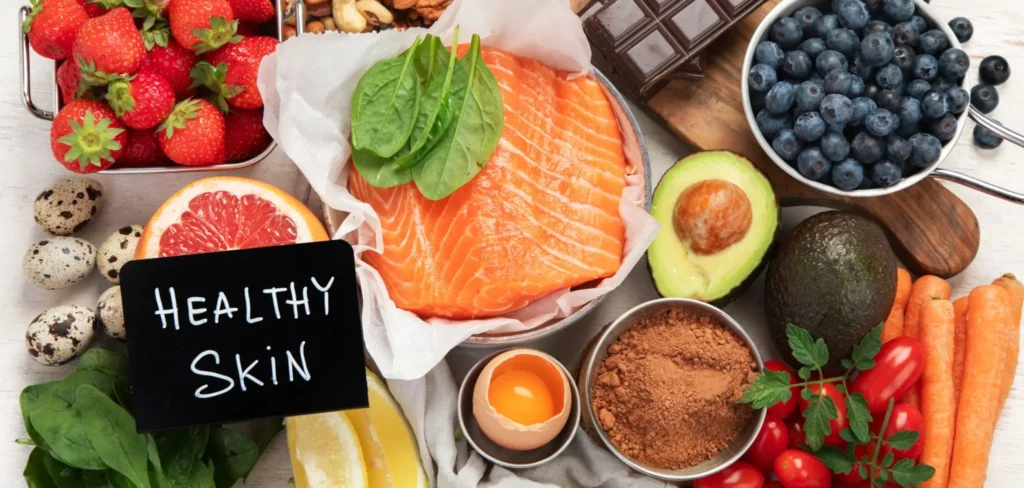
What you eat shows up on your face. That’s not a wellness cliché, it’s basic physiology. Every skin cell is built from nutrients you consume, and every inflammatory signal that triggers breakouts, dullness, or premature aging is either fed or calmed by your diet. Foods for glowing skin aren’t a niche topic in clean eating circles; they’re one of the most evidence-backed levers you can pull for genuine skin transformation.
The skin reflects internal health more clearly than almost any other organ. If you’re already curious about the bigger picture of how lifestyle shapes how you look and age, our comprehensive science-backed guide to anti-aging ingredients is a solid companion to this piece.
Why You Can Trust This Guide: This article was developed using peer-reviewed nutrition and dermatology research, including publications from the American Academy of Dermatology, NIH, and the Journal of Cosmetic Dermatology. All nutritional claims reflect current scientific evidence.
- Why Does Diet Affect Skin Health?
- 1. Fatty Fish Omega-3s That Feed the Skin Barrier
- 2. Avocado Healthy Fats Plus Hidden Skin Nutrients
- 3. Sweet Potatoes Beta-Carotene as Natural Skin Protection
- 4. Berries Antioxidant Power for Skin Radiance
- 5. Broccoli and Cruciferous Vegetables for Skin Health and Collagen Support
- What Nutrients Are Most Important for Glowing Skin?
- 6. Walnuts The Skin-Specific Nut
- 7. Tomatoes Lycopene for Long-Term Skin Protection
- 8. Green Tea Catechins That Calm Skin Inflammation
- 9. Dark Chocolate Flavonoids with Surprising Skin Benefits
- 10. Bone Broth and Collagen-Rich Foods Supporting the Skin Matrix
- How Long Does It Take to See Results From a Skin-Friendly Diet?
- When Diet Alone Isn't Enough
- Foods That May Negatively Affect Skin Health
- Frequently Asked Questions
Why Does Diet Affect Skin Health?
Diet affects skin health because the skin is a living organ that depends entirely on nutritional inputs to function. It needs amino acids to build collagen and elastin, vitamins C and E to neutralize free radical damage, zinc to regulate oil production and repair tissue, and omega-3 fatty acids to maintain the lipid barrier that holds moisture in. When these nutrients are scarce or when pro-inflammatory foods dominate the diet, skin shows the deficit through dullness, accelerated aging, and increased sensitivity.
1. Fatty Fish Omega-3s That Feed the Skin Barrier
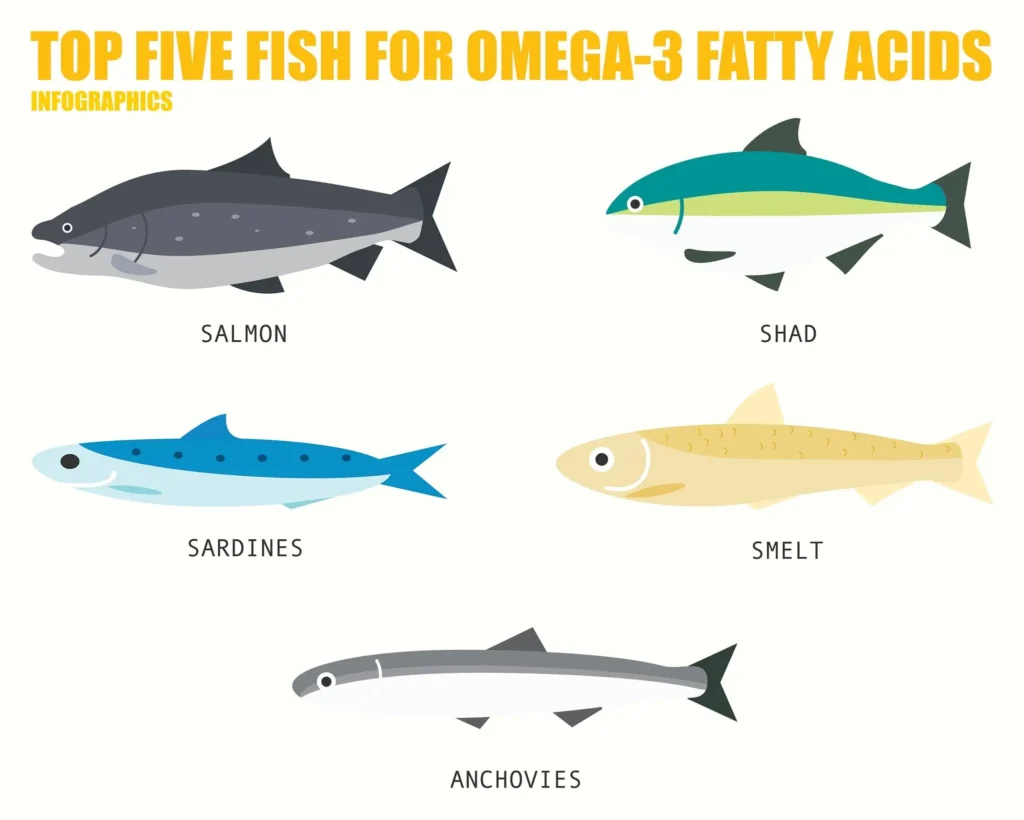
Salmon, mackerel, sardines, and herring are among the richest dietary sources of EPA and DHA — the long-chain omega-3 fatty acids that form a direct part of skin cell membranes.
These fats do several things for skin. They maintain the integrity of the lipid barrier, which is what keeps moisture locked in and irritants locked out. When the barrier is intact, skin looks plump, smooth, and healthy. When it’s compromised from insufficient omega-3 intake among other causes skin becomes dry, reactive, and prone to inflammation.
Source: kjnnt / Getty Images
A review published in Marine Drugs found that omega-3 supplementation reduced markers of UV-induced inflammation and helped protect against photoaging. Eating fatty fish two to three times per week delivers measurable amounts of EPA and DHA alongside astaxanthin (especially in salmon), a carotenoid antioxidant with strong skin-protective properties.
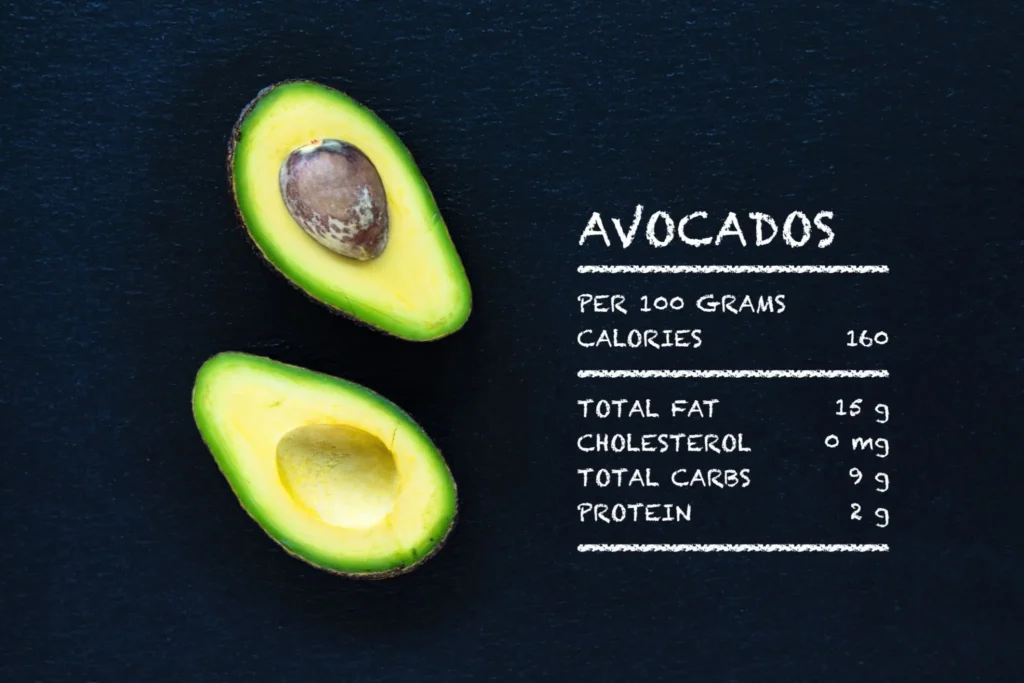
2. Avocado Healthy Fats Plus Hidden Skin Nutrients
Avocado is one of the most nutrient-dense foods for glowing skin and it’s often underestimated because people focus on its fat content rather than what those fats actually do.
The monounsaturated fats in avocado support skin flexibility and hydration. But avocado also delivers:
- Vitamin E a fat-soluble antioxidant that protects skin cell membranes from oxidative damage
- Vitamin C required for collagen synthesis; avocado provides a modest but useful amount
- Biotin supports healthy skin cell renewal
- Lutein and zeaxanthin carotenoids that accumulate in skin tissue and filter UV radiation
A small study in Journal of Cosmetic Dermatology found that women who consumed avocado daily showed improvements in skin elasticity and firmness over 8 weeks. The researchers attributed the effect to the combination of monounsaturated fats, vitamins C and E, and bioactive compounds working together.
Practical note: Half an avocado added to a daily meal is enough to contribute meaningfully to skin nutrition over time.
Source: IG photography / Getty Images
3. Sweet Potatoes Beta-Carotene as Natural Skin Protection
Beta-carotene is a provitamin A compound that the body converts to vitamin A, one of the most critical nutrients for skin cell turnover and renewal. Sweet potatoes are one of the richest sources available.
What makes beta-carotene particularly interesting for skin is that it accumulates in skin tissue and acts as a natural photoprotective agent. It doesn’t replace SPF, but it does contribute a real layer of antioxidant defense against UV-induced free radical damage.
High beta-carotene intake is also associated with the warm, healthy skin tone people describe as a natural glow.
Research published in PLOS ONE demonstrated that carotenoid deposition in skin driven by dietary intake actually makes faces appear more attractive and healthier to observers. The effect was stronger than the perceived effect of a light tan.
Other orange and yellow sources: Carrots, butternut squash, mango, and papaya all deliver significant beta-carotene. Eating these with a small amount of fat improves absorption since beta-carotene is fat-soluble.
4. Berries Antioxidant Power for Skin Radiance
Blueberries, strawberries, raspberries, and blackberries are among the highest antioxidant foods available. For skin, this matters because antioxidants neutralize free radicals of unstable molecules generated by UV exposure, pollution, stress, and metabolic processes that damage skin cell DNA and accelerate visible aging.
Vitamin C is the most skin-relevant nutrient in berries. It’s essential for collagen synthesis (the body literally can’t make collagen without it), and it also inhibits melanin production which means adequate vitamin C intake supports more even skin tone over time.
Anthocyanins, the pigments that make berries blue, red, and purple have additional anti-inflammatory effects that support skin clarity and reduce redness.
Quick reference vitamin C content:
- Strawberries: ~59mg per 100g
- Kiwi: ~93mg per 100g
- Red bell pepper: ~128mg per 100g (the highest whole-food source)
- Papaya: ~62mg per 100g
Eating two to three servings of berries or other high-vitamin C foods daily keeps collagen synthesis running at full capacity.
5. Broccoli and Cruciferous Vegetables for Skin Health and Collagen Support
Broccoli is one of the most underrated foods for skin nutrition. It provides vitamin C, vitamin K, folate, and sulforaphane, a compound with significant anti-inflammatory and antioxidant properties that supports the liver’s detoxification pathways.
Why does this matter for skin? The liver naturally processes metabolic waste and plays an important role in overall metabolic health. While diet supports normal liver function, healthy skin depends on many interacting factors including nutrition, genetics, hormones, sleep, and sun exposure. That said, sulforaphane’s anti-inflammatory properties are well-documented, and the gut-skin connection article explores how metabolic and digestive health connect to what shows up on your face.
Broccoli also contains lutein, the same carotenoid found in avocado which protects skin from UV-induced oxidative damage.
What Nutrients Are Most Important for Glowing Skin?
The nutrients with the strongest evidence for skin radiance and health are vitamin C (collagen synthesis and brightening), omega-3 fatty acids (barrier integrity and inflammation control), vitamin A or beta-carotene (cell turnover and photoprotection), zinc (sebum regulation and tissue repair), and vitamin E (antioxidant protection for skin cell membranes).
Getting these through whole foods rather than isolated supplements tends to produce more consistent results.
Best Foods for Glowing Skin at a Glance
- Salmon
- Sardines
- Avocado
- Sweet potato
- Tomatoes
- Broccoli
- Walnuts
- Green tea
- Dark chocolate (70%+ cocoa)
- Protein-rich foods (eggs, legumes, bone broth)
6. Walnuts The Skin-Specific Nut
Not all nuts are equal for skin. Walnuts stand out because they provide ALA (alpha-linolenic acid), a plant-based omega-3 fatty acid, alongside zinc, vitamin E, and selenium, a combination that’s specifically useful for skin health.
Zinc deserves particular attention here. It’s essential for wound healing, regulates oil gland activity, and has anti-inflammatory properties that directly benefit acne-prone skin. A review in Dermatology Research and Practice found that zinc supplementation produced outcomes comparable to some antibiotic treatments for inflammatory acne; the dietary form won’t achieve supplement concentrations, but regular walnut consumption contributes meaningfully.
Selenium (also found in Brazil nuts) is a cofactor for glutathione peroxidase the skin’s internal antioxidant defense enzyme. Low selenium status is associated with increased UV sensitivity and slower skin recovery after sun exposure.
7. Tomatoes Lycopene for Long-Term Skin Protection
Tomatoes are packed with lycopene, a carotenoid antioxidant that acts as a potent singlet oxygen quencher to protect against environmental skin stress.
Other lycopene sources: Watermelon, pink grapefruit, and guava.
💡 Scientific Culinary Tip: Cooked tomatoes deliver up to 3 times more bioavailable lycopene than raw ones. Processing breaks down the cell walls, and adding a healthy fat like olive oil increases systemic absorption drastically.
8. Green Tea Catechins That Calm Skin Inflammation
Green tea contains EGCG (epigallocatechin gallate), a polyphenol that downregulates inflammatory signaling pathways. Drinking 2–3 cups daily also helps buffer the skin-damaging effects of elevated cortisol brought on by stress.
Preparation note: Steep green tea at 70–80°C rather than boiling water, which degrades EGCG. Matcha provides roughly three times the catechin content of steeped green tea.
9. Dark Chocolate Flavonoids with Surprising Skin Benefits
A study published in the Journal of Nutrition found that women who consumed high-flavonoid cocoa daily for 12 weeks showed increased skin hydration, improved blood flow to the skin, and reduced UV-induced skin damage compared to a low-flavonoid control group. The mechanism involves improved microcirculation; better blood flow to skin capillaries means more nutrients and oxygen reaching skin cells, which shows up as improved tone and radiance.
The key caveat: these benefits are specific to dark chocolate with high cocoa content. Milk chocolate has far lower flavonoid content and higher sugar and high sugar intake is directly linked to glycation, a process that damages collagen and accelerates skin aging. So the type matters.
Practical amount: 20–30g of 70–85% dark chocolate daily delivers meaningful flavonoid content without excess sugar. Choose products with minimal added sugar check the label, as amounts vary significantly between brands.
10. Bone Broth and Collagen-Rich Foods Supporting the Skin Matrix
Bone broth contains collagen peptides and foundational amino acids (glycine, proline, and hydroxyproline). A comprehensive 2021 meta-analysis in the Journal of Cosmetic Dermatology checking 19 clinical trials confirmed that oral collagen intake significantly improves dermal density and skin elasticity after 60 to 90 days of consistent use.
But collagen synthesis also requires vitamin C, zinc, and copper as cofactors. Eating collagen-rich foods alongside bell peppers, citrus, and seeds ensures the full nutritional environment for skin matrix support.
For a detailed look at how specific ingredients affect collagen and aging skin, the science-backed anti-aging ingredients guide breaks down what topical and dietary research actually shows.
How Long Does It Take to See Results From a Skin-Friendly Diet?
Most people notice measurable changes in skin texture, hydration, and clarity within 4–8 weeks of consistent dietary improvements. Structural changes like improved elasticity or reduced fine line depth take longer, typically 10–16 weeks. The skin’s full renewal cycle is approximately 28 days, so lasting change requires at least two full cycles of improved nutrition before results are genuinely visible.
When Diet Alone Isn’t Enough
Food is foundational for skin health but it works in a system. Diet changes produce the most visible skin improvements when combined with:
- Consistent SPF use UV exposure undoes nutritional gains faster than almost anything else
- Adequate sleep skin repairs itself during sleep; 7–9 hours is when nutrition actually gets used
- Stress management chronic cortisol degrades collagen and drives inflammation regardless of diet quality
- Topical actives some ingredients (retinol, vitamin C serum, niacinamide) work from the outside in ways diet can’t fully replicate
Think of nutrition as the foundation. Without it, topical skincare is working against a deficit. With it, everything else compounds.
| Food | Key Skin Nutrient | Primary Benefit | Best Serving Frequency |
| Fatty fish | Omega-3 (EPA/DHA) | Barrier integrity, anti-inflammation | 2–3× per week |
| Avocado | Vitamin E, monounsaturated fats | Hydration, elasticity | Daily (½ avocado) |
| Sweet potato | Beta-carotene | Cell turnover, photoprotection | 3–4× per week |
| Berries | Vitamin C, anthocyanins | Supports collagen synthesis, tone | Daily (1 cup) |
| Walnuts | Zinc, selenium, ALA | Sebum regulation, repair | Daily (small handful) |
| Tomatoes | Lycopene | UV damage protection | Daily, cooked preferred |
| Green tea | EGCG catechins | Anti-inflammation, UV defense | 2–3 cups daily |
| Dark chocolate | Epicatechin flavonoids | Microcirculation, hydration | Daily (20–30g, 70%+) |
| Broccoli | Sulforaphane, vitamin C | Supports normal liver function; collagen cofactor | 3–4× per week |
| Bone broth | Collagen peptides, glycine | Provides amino acids involved in collagen synthesis | 3–5× per week |
Foods That May Negatively Affect Skin Health
What you eat too much matters just as much as what you don’t eat enough of. Several common dietary patterns have clear links to accelerated skin aging, inflammation, and congestion.
- Excess added sugar drives glycation, a process that cross-links collagen fibers and reduces skin elasticity. High glycemic diets are also associated with increased acne severity.
- Ultra-processed foods are low in skin-essential micronutrients and high in refined carbohydrates, inflammatory seed oils, and additives that deplete antioxidant reserves.
- Excess alcohol dehydrates skin, depletes B vitamins needed for cell renewal, and impairs the liver’s normal metabolic function over time.
- Trans fats found in some fried and commercially baked foods promote systemic inflammation and impair the integrity of cell membranes, including skin cells.
Reducing these inputs often produces visible skin improvements even before adding the beneficial foods above. The combination of fewer burdens and more nutritional support is where results compound fastest.
Related Posts
- The gut-skin connection: how what you eat affects your complexion
- Anti-aging ingredients that science actually backs
Frequently Asked Questions
Can eating certain foods really make your skin glow?
Yes consistently. Foods rich in antioxidants, omega-3s, vitamin C, and beta-carotene directly support skin cell function, collagen production, and protection against oxidative damage. The effect isn’t immediate, but after 4–8 weeks of improved skin nutrition, changes in radiance, hydration, and texture become visible.
What foods cause skin to look dull or aged?
High-sugar foods accelerate glycation, a process that cross-links and stiffens collagen fibers, causing skin to lose elasticity. Refined carbohydrates spike insulin and drive inflammation. Alcohol dehydrates skin and depletes B vitamins essential for cell renewal. Ultra-processed foods generally deprive skin of the micronutrients it needs to function.
Is it better to get skin nutrients from food or supplements?
Food is generally preferable because nutrients in whole foods come with cofactors and companion compounds that improve absorption and effect. Supplements are useful when dietary intake is genuinely insufficient or absorption is impaired. Vitamin C, omega-3s, and zinc from food consistently outperform isolated supplements in research on skin outcomes.
What should I eat for anti-inflammatory skin health?
Focus on fatty fish, colorful vegetables, berries, olive oil, green tea, and nuts. These provide a combination of omega-3s, polyphenols, and antioxidants that suppress the inflammatory pathways underlying most common skin concerns including acne, redness, and accelerated aging.
How much water do I need for glowing skin?
Hydration supports skin plumpness, but drinking excess water beyond normal needs doesn’t produce significantly better skin results. Aim for 2–2.5 liters daily from all sources. Focus more on foods with high water content (cucumber, watermelon, leafy greens) and reducing dehydrating inputs like alcohol, caffeine excess, and high-sodium diets.
Can sugar make skin age faster?
Yes, excess dietary sugar triggers glycation, a process where sugar molecules bind to collagen and elastin fibers, making them rigid and less resilient. Over time, glycation visibly reduces skin firmness and accelerates the appearance of fine lines. Cutting added sugar is one of the most impactful dietary changes for slowing visible skin aging.
Skin nutrition isn’t about eating perfectly, it’s about giving your skin the raw materials it needs consistently enough that the difference shows up in the mirror. Start with two or three foods from this list that you don’t currently eat regularly. Add them for four weeks. That’s where the glow actually begins.
References
- Pilkington SM, et al. Dietary supplementation with watermelon (lycopene) for photoprotection. British Journal of Dermatology. 2010.
- Bolke L, et al. A collagen supplement improves skin hydration, elasticity, roughness, and density. Journal of Cosmetic Dermatology. 2021.
- Stahl W, Sies H. Carotenoids and flavonoids contribute to nutritional protection against skin damage from sunlight. Molecular Biotechnology. 2012.
- Gkogkolou P, Böhm M. Advanced glycation end products: Key players in skin aging. Dermato-Endocrinology. 2012.
Medical Disclaimer: This article is for informational purposes only and does not replace professional medical or dermatological advice.



Great content! Keep up the good work!