Key Takeaways
- Chronic stress can contribute to lower testosterone, particularly when combined with poor sleep or inadequate energy intake.
- The relationship is more complex than high cortisol destroys testosterone. Stress can affect the signaling pathways that regulate testosterone production, rather than acting as a simple direct antagonist to testosterone in the bloodstream.
- Improving sleep, adequate nutrition, and the underlying sources of chronic stress may support recovery but persistent symptoms or confirmed low testosterone require medical evaluation, since many other causes are possible.
Sustained stress can contribute to lower testosterone, particularly when it occurs alongside sleep loss, inadequate energy intake, or prolonged physical strain.
The relationship isn’t a simple direct cortisol-versus-testosterone effect stress can alter the brain signals that regulate testosterone production. When these contributing factors are addressed, testosterone may recover, but persistent low levels should be medically evaluated rather than assumed to be stress-related.
Does stress lower testosterone?
For some people dealing with sustained stress, yes, though the size of the effect depends heavily on what else is going on: sleep quality, how much a person is eating relative to their activity level, and how prolonged or controllable the stress feels.
The clearest, most consistent human evidence comes from extreme, tightly controlled situations: military survival training, endurance sport, and sleep-restriction studies.
In extreme military and endurance settings involving severe energy restriction, prolonged physical exertion, and profound sleep loss, testosterone reductions of 60% to 80% have been reported within 72 to 120 hours.
These findings should not be interpreted as typical of everyday psychological stress; they describe men undergoing multi-day survival courses with almost no food, almost no sleep, and near-continuous physical exertion, not the stress of a demanding job or a difficult week.
Everyday psychological stress has a real but smaller and less precisely quantified effect, and it’s genuinely difficult to isolate from the sleep loss, dietary changes, and reduced exercise that often accompany chronic stress in daily life.
Why cortisol and testosterone are connected: the HPA-HPG axis
Testosterone production is controlled by a chain of signals called the hypothalamic-pituitary-gonadal (HPG) axis: the hypothalamus releases gonadotropin-releasing hormone (GnRH), which tells the pituitary gland to release luteinizing hormone (LH), which then tells the testes to produce testosterone.
The stress response runs through a related chain, the hypothalamic-pituitary-adrenal (HPA) axis, which ends in cortisol release from the adrenal glands.
Stress doesn’t simply destroy testosterone. The HPA and HPG systems interact at more than one point along this chain, particularly at the hypothalamus and pituitary. Corticotropin-releasing factor (CRF), the hormone that initiates the stress response, can suppress GnRH release via receptors in the hypothalamus, and cortisol itself can also inhibit GnRH release, reducing downstream LH and FSH secretion.
Stress-related suppression of testosterone, in other words, tends to happen through changes in brain signaling not through a direct chemical competition between cortisol and testosterone in the bloodstream.
A separate factor sometimes discussed alongside this is sex hormone-binding globulin (SHBG), a liver protein that binds testosterone in the blood. During prolonged energy restriction specifically, research has found the liver may increase SHBG production, which can further lower free, biologically active testosterone.
This response is most clearly documented in the context of energy deficit, and it shouldn’t be presented as a universal response to psychological stress on its own. SHBG changes vary by context.
What the Research Shows
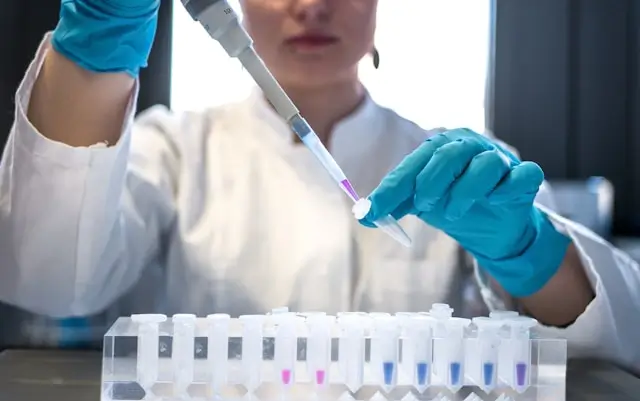
Image by Julia Koblitz on Unsplash
Research on this topic isn’t all equally strong. Some of it comes from extreme, controlled physiological studies; some comes from harder-to-isolate observations of everyday life. It’s worth holding these to different standards.
| Situation | Typical testosterone effect | Evidence strength |
| Severe sleep loss combined with energy deficit (e.g., military survival training) | Can fall substantially | Strongest controlled studies |
| Heavy training with adequate nutrition and sleep | Usually not meaningfully suppressed | Moderate |
| Chronic psychological stress alone (everyday life) | May contribute to a decrease | Less certain hard to isolate |
| Short-term, controllable competitive stress | Can transiently rise or fall, depending on outcome | Mixed, but well-documented in sport research |
Severe physiological stress
In controlled studies of soldiers undergoing multi-day survival training combining severe energy deficits, near-continuous physical activity, and profound sleep loss testosterone and LH dropped sharply together, a pattern that points to reduced brain signaling rather than testicular failure.
When researchers gave these men a hormone that directly stimulates the testes (hCG) instead of relying on the body’s own signaling, testosterone concentrations normalized promptly suggesting that testicular testosterone production remained responsive when stimulated directly, and that suppression was occurring primarily at the level of upstream brain signaling rather than irreversible testicular failure.
Energy availability
How much a person is eating relative to how much energy they’re expending appears to influence testosterone suppression at least as strongly as stress or exercise volume alone.
In endurance athletes, low testosterone tracks more closely with energy availability than with aerobic workload itself, and testosterone and SHBG tend to normalize once caloric intake and sleep regularity are restored.
This matters practically: someone under psychological stress who is also under-eating, over-training, or chronically sleep-deprived is likely combining several contributing factors, not experiencing the effect of stress hormones alone.
Psychological stress
Psychological stress may affect testosterone independently of extreme physical exertion. In a classic longitudinal study of officer candidates, testosterone was lower during an early, highly evaluative phase of training compared with a later phase once the routine became predictable, without a clear difference in physical demand between the two phases.
That said, the magnitude of this effect in ordinary daily life, an office job, family stress, financial pressure is less certain than the effects seen in extreme, controlled settings, and evidence here is harder to isolate from other lifestyle factors.
Perceived control
Not all stress lowers testosterone, some appears to raise it, at least briefly. In competitive settings, victory or a sense of dominance has been associated with transient increases or preservation of testosterone, while defeat or a loss of control has been linked with suppression, even when physical exertion is similar between winners and losers.
Cortisol, notably, tends to rise in both winners and losers, a reminder that the HPA and HPG systems are related but not rigidly locked together.
Signs sometimes associated with stress-related low testosterone
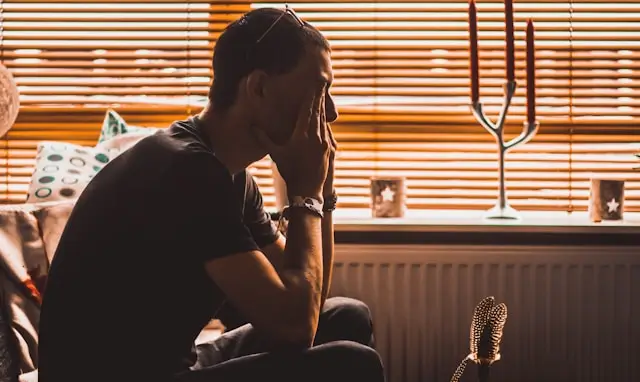
Image by christopher lemercier on Unsplash
These symptoms overlap heavily with ordinary stress, poor sleep, aging, and a range of unrelated medical conditions, so none of them confirm low testosterone on their own:
- Persistent fatigue or low energy
- Reduced sex drive
- Difficulty concentrating
- Low mood or irritability
- Reduced motivation
- Loss of muscle mass or strength over time
- Sleep disturbances
Because these signs are nonspecific, low testosterone should not be diagnosed from symptoms alone. Clinical guidelines recommend diagnosing testosterone deficiency only when compatible symptoms are present together with consistently low morning testosterone measurements.
The American Urological Association uses a total testosterone level below 300 ng/dL as a reasonable diagnostic cutoff and recommends confirmation with two separate early-morning measurements, not a single test, and not symptoms alone.
Is stress-related low testosterone reversible?
When stress, sleep loss, or inadequate energy availability are major contributing factors, testosterone may recover as those underlying conditions improve.
This does not mean every case of low testosterone is reversible through lifestyle changes alone other causes, including primary testicular or pituitary conditions, require medical evaluation and aren’t expected to resolve with sleep or stress reduction.
Where stress-related suppression is the driver, current research frames it as an adaptive response to perceived scarcity or threat rather than a malfunction.
A 2026 review in the Journal of Clinical Endocrinology & Metabolism frames this pattern as an adaptive response rather than automatically as testicular failure, emphasizing the importance of addressing the underlying stress, sleep, and energy-availability factors rather than treating the testosterone number in isolation.
Testosterone therapy is a medical treatment for confirmed hypogonadism it isn’t a substitute for investigating and addressing reversible contributors like sleep debt, energy deficit, or unresolved chronic stress, and it should only be started after a clinician has confirmed low levels through appropriate repeat testing.
Men’s Hormonal Health: The Complete Guide to Balancing Your Hormones Naturally
What may help
None of the following are guaranteed to raise testosterone, and none should be treated as a substitute for medical evaluation if levels are confirmed low. They’re aimed at supporting the underlying conditions most consistently linked to stress-related suppression in the research above.
Restore adequate sleep. Sleep restriction was one of the clearest, most consistent contributors to testosterone suppression in the military and athletic research reviewed above.
Avoid chronic under-eating relative to activity level. Adequate energy availability appears particularly important for people combining high physical activity with calorie restriction, or going through a demanding period without eating enough to match it.
Address chronic stress where possible. Stress-management techniques may help reduce the perceived burden of stress, though they shouldn’t be presented as direct testosterone treatments; the evidence here is for stress reduction, not hormone changes specifically.
The National Center for Complementary and Integrative Health notes that relaxation techniques can help reduce blood pressure and markers of stress, with evidence varying by technique. Evidence that these techniques directly restore testosterone levels is much less certain.
Avoid stacking stressors. Combining chronic psychological stress with sleep deprivation, heavy training, and inadequate nutrition creates more cumulative physiological strain than any one factor alone.
There’s no need to chase a low cortisol number as a goal in itself. Cortisol is a normal, necessary hormone; the aim is a healthy stress response, not eliminating cortisol.
When to talk to a doctor
- Persistent symptoms that don’t improve despite better sleep and reduced stress over several weeks
- Confirmed low testosterone on repeat morning testing
- Unexplained weight loss, fertility difficulty, or noticeable loss of body or facial hair
- A history of testicular injury, chemotherapy, radiation, or pituitary conditions
- Interest in testosterone therapy, which should only be prescribed after confirmed low levels on repeat testing not started based on stress-related symptoms alone
A clinician can distinguish reversible, stress-related suppression from other causes of low testosterone and can check LH and FSH alongside testosterone to help identify where along the HPA-HPG chain a disruption may be occurring.
References
- Friedl KE, Nindl BC, Potter AW. Stress-associated testosterone suppression: central adaptation or hypogonadism? The Journal of Clinical Endocrinology & Metabolism. 2026;111(8):e1951-e1960.
- Endocrine Society. Testosterone Therapy in Men With Hypogonadism Clinical Practice Guideline.
- American Urological Association. Evaluation and Management of Testosterone Deficiency Guideline.
- National Center for Complementary and Integrative Health (NIH). Stress; Relaxation Techniques.
This article is for general educational purposes and isn’t a substitute for individual medical advice, diagnosis, or treatment. Testosterone and cortisol levels can be affected by many factors beyond stress, and low testosterone should always be evaluated by a qualified healthcare provider through appropriate testing before starting any treatment.